Hey there! As a supplier of power distribution cabinets, I get asked a lot about the differences between low-voltage and high-voltage power distribution cabinets. It’s a super important topic, especially if you’re in the market for a power distribution solution. So, let’s dive right in and break it down. Power Distribution Cabinet
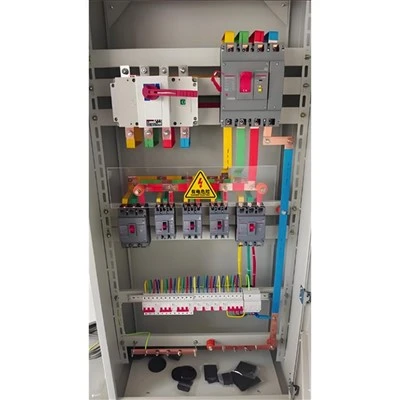
What’s a Power Distribution Cabinet Anyway?
Before we get into the differences, let’s quickly chat about what a power distribution cabinet is. In simple terms, it’s like the traffic cop of your electrical system. It takes electrical power from a source, like a generator or the grid, and distributes it to various electrical loads, such as lights, motors, and other equipment. They’re crucial for ensuring a safe and efficient flow of electricity in industrial, commercial, and residential settings.
Low-Voltage Power Distribution Cabinets
First up, low-voltage power distribution cabinets. These are the most common type you’ll see, especially in smaller-scale applications. The term "low voltage" generally refers to systems operating at 1000 volts or less.
Design and Construction
Low-voltage cabinets are usually a bit more compact and lightweight compared to their high-voltage counterparts. They’re often made from materials like steel or aluminum, which provide good protection for the internal components. Inside, you’ll find things like circuit breakers, fuses, contactors, and busbars. These components are designed to manage and control the flow of electricity.
Applications
These cabinets are widely used in a variety of settings. In residential buildings, they’re used to distribute power to different rooms and appliances. In commercial buildings like offices and shops, they power lighting systems, HVAC units, and other electrical equipment. They’re also commonly used in small to medium-sized industrial facilities for powering machinery and control systems.
Safety Features
Safety is a top priority with low-voltage cabinets. They typically come equipped with overcurrent protection devices, such as circuit breakers, that automatically cut off the power if there’s a short circuit or an overload. They also have grounding systems to prevent electrical shocks.
Cost
One of the big advantages of low-voltage cabinets is the cost. They’re generally more affordable than high-voltage cabinets, both in terms of the initial purchase price and the installation costs. This makes them a great option for smaller projects or budget-conscious customers.
High-Voltage Power Distribution Cabinets
Now, let’s move on to high-voltage power distribution cabinets. These are used in more large-scale and high-power applications, where the voltage is typically above 1000 volts.
Design and Construction
High-voltage cabinets are much larger and heavier than low-voltage ones. They need to be more robust to handle the higher voltages and currents. They’re made from heavy-duty materials, such as thick steel, and are designed to provide excellent insulation. Inside, the components are also more specialized. You’ll find high-voltage circuit breakers, disconnectors, and voltage transformers.
Applications
These cabinets are mainly used in large industrial complexes, power plants, and utility substations. They’re responsible for distributing high-voltage power to different parts of the facility or to the grid. They’re also used in some large commercial buildings, such as hospitals and shopping malls, where there’s a high demand for electrical power.
Safety Features
Safety is even more critical with high-voltage cabinets. They have multiple layers of insulation and grounding to prevent electrical arcing and short circuits. They also have sophisticated monitoring systems that can detect any abnormal conditions and automatically shut down the system if necessary.
Cost
High-voltage cabinets are significantly more expensive than low-voltage cabinets. The cost of the components, the specialized design, and the installation requirements all contribute to the higher price tag. However, for large-scale applications, the benefits of using high-voltage cabinets often outweigh the cost.
Key Differences
Voltage Rating
The most obvious difference is the voltage rating. As I mentioned earlier, low-voltage cabinets operate at 1000 volts or less, while high-voltage cabinets operate at voltages above 1000 volts. This difference in voltage rating means that the components and design of the cabinets need to be different to handle the different levels of electrical stress.
Size and Weight
High-voltage cabinets are much larger and heavier than low-voltage cabinets. This is because they need to accommodate the larger and more robust components required to handle the high voltages and currents. The larger size also allows for better insulation and safety features.
Application Scope
Low-voltage cabinets are used in a wide range of small to medium-sized applications, while high-voltage cabinets are mainly used in large-scale industrial and utility applications. The choice between the two depends on the power requirements of the application.
Cost
As I mentioned, low-voltage cabinets are generally more affordable than high-voltage cabinets. This is an important factor to consider when choosing a power distribution solution, especially for smaller projects or those on a tight budget.
Which One Should You Choose?
So, which type of power distribution cabinet should you choose? Well, it depends on your specific needs. If you’re looking for a power distribution solution for a small residential or commercial building, a low-voltage cabinet is probably the way to go. It’s more affordable, easier to install, and suitable for the lower power requirements.
On the other hand, if you’re working on a large industrial project or a utility substation, you’ll need a high-voltage cabinet. It can handle the higher power loads and has the necessary safety features for high-voltage applications.
Why Choose Us as Your Supplier?
At our company, we’ve been in the business of supplying power distribution cabinets for years. We have a wide range of low-voltage and high-voltage cabinets to meet your specific needs. Our cabinets are made from high-quality materials and are designed to be reliable and safe.

We also have a team of experienced engineers and technicians who can help you choose the right cabinet for your application. They can provide you with technical support and advice throughout the installation and operation process.
Control Cabinet If you’re interested in purchasing a power distribution cabinet, or if you have any questions about our products, don’t hesitate to reach out. We’re here to help you find the best solution for your electrical distribution needs.
References
- Electrical Wiring Handbook (John Wiley & Sons)
- Industrial Power Systems Handbook (CRC Press)
Guangdong Baihao Electric Co., Ltd.
As one of the most professional power distribution cabinet manufacturers and suppliers in China, we also support customized service. Please feel free to wholesale discount power distribution cabinet in stock here from our factory. Quality products and low price are available.
Address: 201, 2nd Floor, Building 3, No.1, Honggang Section, Lihe Road, Lishui Town, Nanhai District, Foshan City
E-mail: jiang_baisi@126.com
WebSite: https://www.gd-baihao888.com/
