If you’ve ever stepped into a perfectly climate-controlled office on a 90°F summer afternoon, or wrapped yourself in a warm, dry blanket of heat during a frigid winter night, you’ve encountered the quiet work of a heat exchanger—one of the unsung heroes hiding inside every well-functioning HVAC system. As a heat exchanger supplier, I’ve spent nearly a decade walking job sites, troubleshooting equipment failures, and explaining to contractors and facility managers why this seemingly simple component is not just a “part” but the backbone of efficient, safe, and reliable heating, ventilation, and air conditioning. Too often, people overlook it until it fails, and that’s when they realize just how central its role is to daily comfort, energy bills, and even indoor air quality. Heat Exchanger
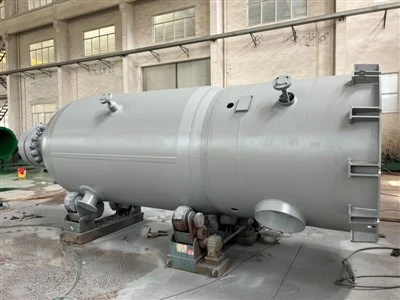
Let’s start with the basics, because the core function of a heat exchanger is straightforward, but its implications ripple through every part of an HVAC system. Put simply, a heat exchanger transfers thermal energy from one fluid to another without the two fluids ever mixing. That sounds basic, right? But if you stop to unpack that, you’ll see why every HVAC system relies on this separation. For example, in a residential gas furnace, you have hot, toxic exhaust gases (think carbon monoxide, a byproduct of burning natural gas) and the fresh, safe air blowing into your home. A heat exchanger pulls heat from those exhaust gases and passes it to the supply air, then vents the fumes outside, where they can’t harm anyone. Without that barrier, that deadly exhaust could seep into your living space. In air conditioning systems, the same principle works in reverse: heat is pulled from the warm indoor air (one fluid) and dumped into the outside air (a second fluid), keeping your home cool without exposing anyone to the refrigerants that carry that heat.
What I’ve learned over the years is that most people outside of HVAC don’t grasp how deeply that separation impacts both safety and efficiency. Early HVAC systems, before modern heat exchanger technology, had open combustion chambers where exhaust could leak into supply air, leading to carbon monoxide poisoning incidents. Even today, a cracked heat exchanger is one of the most common (and dangerous) furnace problems, because that breach breaks the barrier, putting homeowners at risk. But safety is only half the story—heat exchangers are also the key to cutting energy use, which is why more and more commercial and residential clients come to us looking to upgrade their existing equipment. A well-designed heat exchanger minimizes energy waste: the tighter and more efficient the heat transfer between fluids, the less energy your HVAC system needs to generate the desired temperature. For a 10,000-square-foot office building, that can translate to thousands of dollars in annual energy savings, which is why we’ve seen demand for high-quality heat exchangers grow as energy costs rise.
Let’s dive into the two most common types of heat exchangers in HVAC, because their roles vary slightly depending on whether the system is heating or cooling, and each type highlights a different part of their importance. First, shell-and-tube heat exchangers, which are the workhorses of commercial HVAC systems. These consist of a large shell filled with a bundle of small tubes; one fluid flows through the tubes, the other around them, and heat transfers through the tube walls. I’ve installed hundreds of these in large office buildings, hospitals, and manufacturing facilities, and their real strength is their durability and scalability. For a hospital, which needs consistent, reliable climate control 24/7, a shell-and-tube heat exchanger can handle the constant load without failing, and their design makes them easy to maintain (we often replace a single tube instead of the entire unit if there’s a minor leak). They’re also perfect for transferring heat between a refrigerant and water, which is how chilled water systems cool large spaces.
The second type, plate heat exchangers, is what we’re supplying more of for residential and small commercial systems these days. These use stacked, thin metal plates instead of tubes and shells, with alternating channels for each fluid. The compact design means they take up 50% less space than shell-and-tube units, and their larger surface area per volume makes heat transfer much more efficient. A client of ours recently upgraded a 5,000-square-foot café’s HVAC by replacing its old shell-and-tube heat exchanger with a plate model, and their monthly heating bill dropped by 18% in the first quarter. The only caveat we always mention is that plate heat exchangers require cleaner fluids, because the narrow channels can clog with sediment or scale—so regular flushing is key to keeping them running at peak efficiency. It’s a small maintenance step, but one that pays off with long-term savings.
Beyond heating and cooling comfort, heat exchangers play a critical role in indoor air quality (IAQ), a concern that’s grown exponentially in the last few years as more people spend time indoors. Ventilation systems rely on heat exchangers to recover energy from exhaust air, which is called air-to-air energy recovery, or heat recovery ventilation (HRV). Here’s how that works: in a home that uses HRV, stale, warm indoor air is vented outside, while fresh, cold outdoor air is brought in. Instead of wasting that warm air’s heat (or the cold air’s cooling), a heat exchanger transfers that energy to the incoming air, so you get fresh air without having to heat or cool it from scratch. That’s why a well-designed HRV system can improve IAQ by bringing in clean, filtered outdoor air while cutting energy waste by up to 40% compared to systems that just vent and replace air. For facilities like schools, where IAQ is a top priority for student health, this is a game-changer—we’ve supplied HRV heat exchangers to dozens of K-12 districts, and they often report fewer absences due to respiratory issues alongside lower energy bills.
Now, let’s talk about why choosing the right heat exchanger isn’t just a matter of picking a part off a shelf. As a supplier, I see too many contractors and facility managers cut corners on heat exchangers, and the results are costly. A low-quality heat exchanger made from thin, cheap metal might work for a few years, but it’s prone to corrosion, cracking, or heat loss. For example, in systems that run with high humidity, the metal can rust over time, leading to leaks that reduce efficiency and even contaminate fluids. That’s why we use materials like stainless steel or copper for most of our units—they’re resistant to corrosion, have excellent thermal conductivity, and can handle the constant temperature swings that HVAC systems go through. We also custom-engineer heat exchangers for specific applications: a heat exchanger for a hospital’s sterile air system needs to meet strict hygiene standards, while one for a manufacturing plant that handles high-temperature exhaust needs to withstand more extreme conditions. One size never fits all, and that’s a lesson I’ve learned from every job I’ve worked on.
Another common mistake I see is overlooking maintenance for heat exchangers, which are often the most neglected part of an HVAC system. A buildup of dirt, dust, or scale on the fluid sides can reduce heat transfer by 20% or more, according to the Air Conditioning Contractors of America (ACCA). That means your system has to work harder, using more energy, to reach the same temperature, leading to higher bills and shorter equipment lifespan. We always recommend a yearly inspection of heat exchangers: checking for leaks, flushing out sediment, and cleaning surface buildup. For residential systems, that’s a simple step a licensed technician can do during a routine furnace or AC tune-up. For commercial systems, we often offer maintenance plans that include semi-annual checks, which we’ve found extends the life of heat exchangers by an average of 10 years. That’s a return on investment that’s hard to beat—spending a few hundred dollars on maintenance saves you thousands in replacement costs and energy waste.
Looking ahead, the role of heat exchangers in HVAC is only going to grow as the world shifts to more sustainable building practices. Governments around the globe are tightening energy efficiency standards for HVAC systems, which means heat exchangers have to be more efficient than ever. We’re already working on next-generation heat exchangers that use microchannel technology, which has even higher surface area and better heat transfer, cutting energy use by an additional 10% compared to standard models. These are perfect for new construction of net-zero energy buildings, which are designed to produce as much energy as they use. For older buildings, retrofitting with high-efficiency heat exchangers is one of the most cost-effective ways to upgrade to meet new standards, without replacing the entire HVAC system.
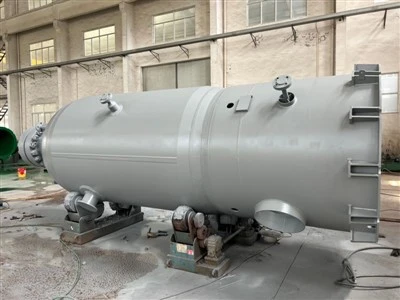
I’ll wrap this up with what I tell every customer who reaches out to me—whether they’re a residential contractor, a facility manager, or a new builder. A heat exchanger isn’t just a component; it’s the part that keeps people safe, keeps energy costs low, and ensures comfort year-round. It’s easy to take it for granted when it’s working, but when it fails, the impact is immediate and costly. If you’re looking to upgrade your HVAC system, replace a worn-out heat exchanger, or need a custom solution for a specific project, we’re here to work with you. Every heat exchanger we build is engineered to meet your needs, tested for durability, and supported by our team of experts who can help you choose the right unit for your space. Don’t wait until your system fails to invest in this critical part—reach out today to discuss your requirements and find the right heat exchanger for your HVAC needs.
Heat Exchanger References:
- Air Conditioning Contractors of America (ACCA). (2021). HVAC Efficiency Standards and System Component Performance. ACCA International.
- American Society of Heating, Refrigerating and Air-Conditioning Engineers (ASHRAE). (2022). Heat Exchanger Design and Application for HVAC Systems. ASHRAE Press.
- International Energy Agency (IEA). (2023). Energy Efficiency in Commercial Buildings: The Role of Heat Exchanger Technology. IEA Buildings and Communities Programme.
- National Fire Protection Association (NFPA). (2020). Gas Furnace Safety Standards: Cracked Heat Exchanger Prevention and Inspection. NFPA.
Jiangsu Minheng Engineering Equipment Co., Ltd.
As one of the most professional heat exchanger manufacturers and suppliers in China, we also support customized service. Please feel free to buy advanced heat exchanger made in China here and get pricelist from our factory. For price consultation, contact us.
Address: No.18 Xinjiang Road, Jingjiang City, Taizhou City, Jiangsu Province, China
E-mail: 15190632575@163.com
WebSite: https://www.mhvessel.com/
