Hey there! Let’s cut to the chase—if you’re in the biodiesel game, you know that the fuel’s not just something you pump into a truck and forget about. The stuff that keeps it safe, stable, and ready to use long-term? That’s biodiesel storage equipment. I’m the owner of a small, no-BS biodiesel equipment supply company, and I’ve spent the last decade talking to producers, plant managers, and even home brewers (yes, home biodiesel folks too) who’ve messed up storage big time. Today, I’m breaking down what exactly this gear is, the non-negotiable rules it has to follow, and why cutting corners here will cost you way more than just a bad batch of fuel. Biodiesel Equipment
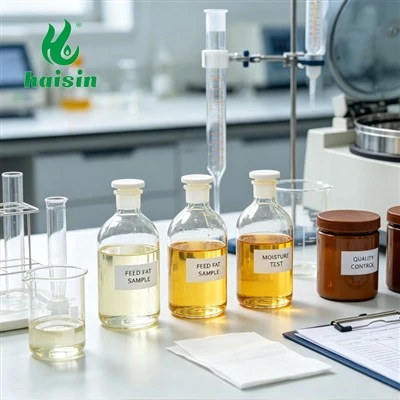
First off, let’s get the basics straight: biodiesel storage equipment is basically anything that holds biodiesel from the moment it’s finished processing right up until it’s delivered to end users (think fleets, farms, even heating oil tanks). This isn’t your average diesel tank—biodiesel’s different. It’s made from vegetable oils, animal fats, or even recycled cooking oil, so it’s hydrophilic (meaning it sucks water out of the air like a sponge), it can corrode certain metals, and it plays nice with all sorts of gunk if you don’t keep it clean. I’ve seen guys use old diesel tanks and wonder why their fuel turns cloudy in 6 months—spoiler: that’s not “bad biodiesel,” that’s bad storage.
Let’s break down the main pieces first, so you know what we’re actually talking about. The big one is the storage tanks themselves. Most new biodiesel folks go for steel, but not just any steel. Carbon steel is common, but you have to line it, right? Wait—actually, some people prefer fiberglass-reinforced plastic (FRP) tanks now. FRP is lighter, doesn’t rust, and doesn’t react with biodiesel’s methyl esters. But I’ve talked to a lot of producers who swear by properly lined carbon steel too—just make sure it’s a lining rated for biodiesel, not generic tank liner. No cheap epoxy, people. We’ve had customers come to us after a $2,000 mistake where they used a liner for water tanks and it leached into the fuel. Total waste of a production run.
Then there’s the secondary containment. This is non-negotiable, especially if you’re storing more than 500 gallons. Secondary containment is like a tank’s safety net—usually a concrete sump, a double-walled steel tank, or a plastic containment liner that holds all the fuel if the main tank springs a leak. Why? Biodiesel is flammable, sure, but it’s also biodegradable, so if it seeps into the ground, it can mess up soil and water way more than regular diesel in some ways. Plus, environmental regulations? They’re strict. I don’t care if you’re a backyard operation or a 10-million-gallon plant—you need secondary containment. End of story.
Next up: filtering and water separation. Biodiesel hates water. Even tiny amounts (like 0.1% by volume) can lead to microbial growth—think bacteria and fungi that munch on the fuel and turn it into a slimy mess. So your storage system needs filters that can catch not just big gunk, but also water. Most people use water separators that work like a centrifuge or coalescer—they pull the water out so it sinks to the bottom of the tank, where you can drain it regularly. I always tell folks to set up a weekly drain, not a monthly one. I’ve had a customer who only drained their sump once a quarter and found 20 gallons of water at the bottom of a 10,000-gallon tank. His fuel tested at 0.5% water—way over the ASTM D6751 standard, and he had to dump the whole batch. That’s a $15k loss, easy.
Vent systems are another piece that people sleep on. Biodiesel needs to breathe, but you don’t want it sucking in humid air (which brings water) or letting volatile organic compounds (VOCs) escape (which are bad for the air and can also make the fuel unstable). So vent caps with desiccants—those little silica gel things that absorb moisture—are a must. And make sure the vent is sized right; if it’s too small, pressure builds up and can warp your tank, if it’s too big, you’re letting in all the damp air you don’t want. We pre-size vents for every tank we sell, so our customers never have to guess.
Now, let’s get into the requirements. This is where it gets real—there are rules from ASTM, OSHA, EPA, and even state-level stuff, depending on where you’re at. I’m not a lawyer, so I always tell customers to check their local regs, but here’s the stuff that’s universal.
First, compatibility. This isn’t “kind of works” — it’s “doesn’t react at all.” Biodiesel’s methyl esters can break down some materials, like natural rubber (old hoses, gaskets) or unlined carbon steel. That means if your storage tank is unlined, you’re going to get rust particles in your fuel, which mess up engines and filters. And if you use natural rubber hoses for transferring fuel, they’ll start to degrade, leach chemicals, and even crumble after a few months. We sell EPDM hoses specifically rated for biodiesel—no exceptions. I’ve seen guys use regular rubber hoses because they’re cheaper, and by the time they replace them, they’ve contaminated a whole tank of fuel. Way more expensive in the long run.
Water content is a hard rule. The ASTM D6751 standard (that’s the main biodiesel spec everyone follows) says maximum water content is 0.05%. So your storage system has to keep it below that. That means the water separators, the tank lining, the vents—all of it has to work together to keep water out and let you drain any that accumulates. If you’re testing your fuel and it’s over 0.05%, guess what? Your storage gear isn’t doing its job. Corrosion is another big one. Biodiesel is slightly acidic (pH around 6-8, which is normal, but more acidic than regular diesel) so it can cause galvanic corrosion if you have dissimilar metals in your tank. Like, if your tank is steel and you have a brass valve, the two metals can react in the presence of water and biodiesel, leading to rust and metal particles. That’s why we suggest all valves, fittings, and pipes be made of the same metal (usually 304 stainless steel) or materials rated for biodiesel compatibility. We stock all those parts, so you don’t have to mix and match and cause issues.
Then there’s space and temperature. Biodiesel works best stored between 32°F and 90°F (0°C to 32°C). If it gets too cold (below 20°F or -6°C), it’ll start to gel, which makes it impossible to pump. If it gets too hot, above 120°F (49°C), it starts to break down, oxidize, and form sludge. So if you’re in a super cold place, you need heating elements or insulation on your tanks. If you’re in a hot climate, you need to keep tanks shaded, maybe even use double-walled tanks with insulation. I had a customer in Texas who put his 5,000-gallon tank in direct sun, no shade. After a summer, his fuel was so oxidized that it clogged every filter in his delivery fleet. He had to filter the whole tank twice and add stabilizers—cost him $8k, all because he skipped basic temperature control.
Safety is another requirement, and I don’t just mean “don’t spill the fuel.” OSHA has rules about fire safety, so storage areas need to be away from ignition sources (like welding equipment, electrical panels, even overgrown brush). You need fire extinguishers rated for Class B fires (flammable liquids) within 100 feet of the tanks. And if you have a big operation, you need spill response kits on hand—absorbent booms, pads, maybe even neutralizing agents. We sell those kits too, because I’d rather my customers be safe than sorry. Also, labeling—every tank has to be clearly marked “Biodiesel” with the blend number (like B100 for pure biodiesel, B20 for 20% biodiesel, 80% diesel). Mixing up biodiesel and regular diesel is a big no-no, and labeling prevents that.
Wait, let’s talk about small-scale operations, too—home biodiesel makers, small farms, local co-ops. I know a lot of you don’t have a 10,000-gallon facility, but the same rules apply. I had a guy who made 50 gallons of biodiesel in his garage and stored it in an old 55-gallon steel drum he used for motor oil. The drum wasn’t lined, so over a couple months, rust got into the fuel, and when he poured it into his tractor, the filter clogged, left him stranded in the middle of his farm. He came to me for a small, FRP 55-gallon tank—cost him a few hundred bucks, but it saved him a lot more hassle. Even small storage needs the right gear.
Now, why does all this matter, beyond just not messing up fuel? Let’s talk long-term. Properly stored biodiesel can last up to 2 years, maybe longer, if you follow all these rules. Bad storage? It’s going to go bad in 6 months, maybe less. That means you lose money on the fuel you made, the storage gear that didn’t work, and the time you waste reprocessing or filtering it. Also, regulations—EPA fines for non-compliance can be up to $37,500 per day, per violation. That’s not chump change. I’ve seen a small co-op get a $100k fine because their secondary containment wasn’t big enough for a 2,000-gallon leak. They didn’t know the rule, and now they’re paying for it.
What kind of gear do we supply? Let’s cut to the product side, since that’s what I do. We carry everything from small 55-gallon FRP tanks for home users all the way up to 100,000-gallon double-walled steel tanks for big plants. We have water separators and coalescers from brands that we’ve tested for years—no cheap imports that break after a few uses. We sell vent systems with desiccants, EPDM hoses, stainless steel fittings, secondary containment liners, even temperature sensors to track your tank 24/7. We don’t just sell you gear—we tell you exactly how to set it up, how to maintain it, and we offer support if something goes wrong. I answer my own phone, I don’t have a sales rep who doesn’t know the difference between methyl ester and ethyl ester. If you call us, you’re talking to someone who’s been in the field, who’s seen the mistakes, who can help you avoid them.
Let’s wrap this up. Biodiesel storage equipment isn’t just tanks—it’s a system. Tanks, secondary containment, water separation, vents, hoses, fittings, safety gear. And the requirements? Compatibility, low water content, temperature control, corrosion prevention, regulatory compliance, safety. All of that has to work together to keep your fuel good, your operations legal, and your wallet happy.
If you’re setting up a new storage system, upgrading an old one, or just wondering why your biodiesel keeps going bad, don’t guess. Don’t use old diesel gear. Don’t cut corners. Hit us up, and we can talk through your needs, no sales pitch, no jargon, just straight answers. We’ll hook you up with the right gear that fits your operation, whether you’re a small farm or a big plant.
Animal Fat Oil Fatty Acid References:
- ASTM International. (2023). Standard Specification for Biodiesel Fuel Blend Stock (B100) for Middle Distillate Fuels (ASTM D6751).
- U.S. Environmental Protection Agency. (2022). Biodiesel Storage and Handling Guidelines.
- Occupational Safety and Health Administration. (2021). Hazard Communication Standards for Flammable Liquids.
- National Biodiesel Board. (2020). Best Management Practices for Biodiesel Storage.
Haixin Energy Technology (Henan) Co., Ltd.
As one of the most professional biodiesel equipment manufacturers and suppliers in China, our products have good reputation in the market. Please rest assured to buy bulk biodiesel equipment made in China here from our factory. Good service and quality products are available.
Address: No. 2 South Road, 200m East Of The Intersection Of Mulan Avenue And National Highway 105, Shangqiu, Henan Province, China.
E-mail: wangli@haixinenergy.com
WebSite: https://www.haisin-energy.com/
