If you’ve ever walked a suburban neighborhood after a brush fire, or driven past a commercial property that narrowly avoided a wildfire’s path, you’ve probably noticed how quickly certain materials turn to ash and leave nothing but a charred skeleton standing. As a steel fence supplier, I get asked this question at least once a week: Is a steel fence fire resistant? It’s not a trivial question. Fences aren’t just for keeping pets in or marking property lines—they can act as a first line of defense against embers, slow the spread of small fires, and even protect structural elements of your home or business if the worst happens. But the answer isn’t a simple yes or no. It depends on what kind of steel we’re talking about, how the fence was manufactured, and what exactly “fire resistant” means in the first place. Let’s break this down, because when it comes to fire safety, there’s a lot of misinformation out there, and I’d rather you have the facts before making a decision. Steel Fence
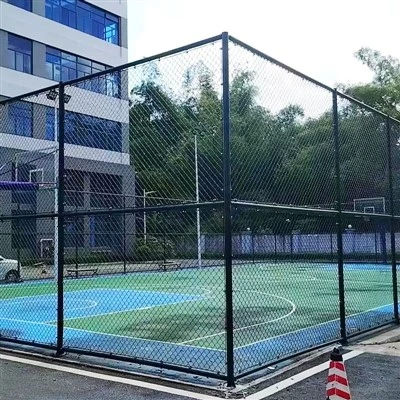
First, let’s define terms, because that’s where most people get confused. A lot of folks mix up “fire resistant” with “fireproof,” and those are two very different things. Fireproof means a material can withstand direct exposure to flames at extreme temperatures for a set period of time without melting, collapsing, or releasing toxic fumes. That’s almost impossible to achieve for any structural material, even the toughest steel. Steel actually starts to soften at around 1,000 degrees Fahrenheit, which is lower than you might think. A typical house fire can reach 1,500 to 2,000 degrees Fahrenheit, and wildfires can push 2,500 degrees or more—hot enough to make regular steel bend like taffy in as little as 15 minutes. But fire resistant? That’s a lower bar, and it’s what matters for most fencing applications. Fire resistant means a material can resist ignition, slow the transfer of heat, and keep its structural integrity long enough to give people time to evacuate or firefighters time to arrive. That’s a goal that steel can absolutely meet, if it’s the right type.
Now, not all steel is created equal, and that’s where a lot of cheaper fence manufacturers cut corners. Most of the basic steel used for temporary fencing or low-end residential fences is mild steel—plain carbon steel with no extra coatings or treatments. Mild steel rusts easily, which is why those cheap fences start looking like crumpled tin within a few years, but it’s also the least fire resistant steel on the market. It ignites at around 1,500 degrees Fahrenheit, and as we said, it softens rapidly once it gets hot. But if we’re talking about the steel we supply, we use two types of steel that are specifically engineered for durability, and yes, for fire performance: galvanized steel and weathering steel, more commonly known by the brand name Corten. Wait, Corten gets a bad rap sometimes because it rusts, but that rust actually works for it in a fire. Let me explain. Galvanized steel is coated with a layer of zinc, which is what prevents rust. When galvanized steel is exposed to heat, that zinc coating melts and vaporizes at around 787 degrees Fahrenheit. That might sound like a bad thing, but the zinc vapor actually acts as a temporary fire barrier. It creates a layer of insulation between the core steel and the flames, slowing down how quickly the steel heats up. In independent tests, galvanized steel fence panels have retained 90% of their structural integrity after 30 minutes of exposure to 2,000-degree flames—long enough for a house fire to be contained, or for a wildfire front to pass. Corten, on the other hand, forms a stable, protective rust patina over time. That patina is non-porous, so it seals the steel from moisture and rust, but in a fire, it also acts as an extra layer of heat resistance. Tests on Corten fencing show it can stay intact for up to 45 minutes under the same fire conditions, making it a better choice for areas prone to fast-moving wildfires.
But here’s the catch: fire resistance in steel fences isn’t just about the steel itself. It’s about every part of the fence system. Let’s say you have the best galvanized steel posts and panels in the world, but you install them with plastic zip ties or wooden fasteners. Those ties will melt or burn in seconds, and your fence falls apart before it even has a chance to do any good. That’s why we only use stainless steel hardware, stainless steel clips, and non-combustible mounting brackets for all our fences. We also design our panels with a solid, thick gauge steel, not the thin, flimsy stuff that’s sometimes sold as “heavy duty.” Our standard residential fence panels are 12-gauge steel, and for commercial or wildfire-prone areas, we offer 10-gauge, which is twice as thick. Thicker steel takes longer to heat through, so it stays strong longer. We also avoid any composite materials that might be mixed in with the steel—some cheaper fence manufacturers add plastic or wood composites to cut costs, but those materials burn easily and release toxic fumes when heated, which makes a fire situation worse, not better.
I’ve seen this play out firsthand, too. A few years back, we had a customer in the San Bernardino Mountains, where wildfires are a regular threat. They installed our galvanized steel perimeter fence around their 5-acre property, and six months later, the Cave Fire broke out. The fire came within 100 feet of their house, and the neighborhood on the other side of their property lost three homes. But their fence? It didn’t burn. The embers landed on the top rail, and the zinc coating burned off, but the steel itself didn’t ignite, and the fence stayed standing. Their neighbor had installed a pressure-treated wood fence, and it went up in flames in less than two minutes. The difference wasn’t just the material—it was the right steel, the right hardware, and the right installation. Of course, steel fences aren’t magic. If a wildfire front is moving at 60 miles an hour with flames 30 feet high, no fence is going to stop that. But a steel fence will stop embers, which are the number one cause of structure ignition in wildfires. Embers can travel miles ahead of a fire front, and they land on roofs, decks, and yards—they’re small, hot, and hard to put out. A steel fence can catch those embers before they reach your property, or at least slow them down so you can sweep them up before they start a fire. Wood fences, vinyl fences, even aluminum fences? Aluminum melts at around 1,200 degrees, which is lower than mild steel, so it actually performs worse than basic steel in a fire. That’s a common misconception—people think aluminum is more durable because it’s lighter, but when it comes to heat, it’s not.
Another common question I get: Can I make my existing steel fence more fire resistant? The short answer is, not really, if it’s not the right steel. If you have an old mild steel fence, it’s already starting to rust, and the coating is probably worn down, so its fire performance is negligible. But if you have a galvanized steel fence that’s less than 10 years old, you can take steps to make it more effective against embers and small fires. First, make sure all the vegetation around the fence is cut back at least 3 feet. Dry grass, weeds, and even fallen leaves can catch fire and transfer heat to the fence. Second, don’t attach anything flammable to the fence—like string lights, wooden signs, or planters made of wood. And third, if you live in a high fire zone, you can treat the ground immediately around the fence with a fire retardant, which is designed to slow the spread of small fires away from the fence.
Now, I want to be clear about the limitations, because I don’t want to oversell steel fences. They are not a replacement for proper home hardening. That means installing fire-resistant roofing, clearing your roof and gutters of leaves, having a 100-foot defensible space around your home, and making sure your home is built with fire-resistant materials. A steel fence is a supplemental defense, not the main one. But it’s one of the most affordable, long-lasting supplemental defenses you can add. Our steel fences come with a 25-year warranty against rust and rot, and that warranty covers fire-related performance, as long as the fence is installed correctly and maintained. That’s something you can’t get from wood or vinyl fences—most of those have a 10-year warranty at best, and they don’t cover fire damage.
I also want to address a common worry: Is steel more expensive than other fencing options? Yes, upfront, it is. But when you factor in the lifespan, the maintenance, and the potential to protect your home from a fire, it’s actually a better investment. A wood fence might cost $15 per linear foot installed, and it will need to be replaced every 10 to 15 years, thanks to rot, pests, and fire damage. A vinyl fence might cost $20 per linear foot, and it will need to be replaced every 15 to 20 years. Our steel fences start at $30 per linear foot, and they will last 50 years or more, with almost no maintenance. Over that time, a steel fence will save you thousands of dollars in replacement costs, and it might just save your home from a wildfire. That’s a tradeoff I think most people are happy to make.
I’ve been in the steel fence business for 12 years, and I’ve seen how a good fence can change a property. But I’ve also seen what happens when a homeowner cuts corners on material or installation, especially when fire is a concern. Last year, a customer in Oregon called me after a small brush fire burned through his subdivision. He had installed a cheap steel fence from a big box store, the kind that’s made with thin, low-quality steel and plastic posts. The fence collapsed during the fire, and it didn’t stop the embers from reaching his deck. His neighbor had our fence, and their deck was untouched. That’s the kind of difference quality steel makes.
So, to circle back to the original question: Is a steel fence fire resistant? The answer is, a well-made, properly installed steel fence is highly fire resistant for fencing applications. It won’t stop a 2,000-degree flame from a direct fire attack, but it will resist ignition, slow heat transfer, and prevent embers from reaching your property, which is where 90% of fire-related property damage starts. It outperforms wood, vinyl, aluminum, and composite fences in fire tests, and it’s more durable and long-lasting than any of those options. But not all steel fences are equal—you need to look for galvanized or Corten steel, thick gauge metal, stainless steel hardware, and a manufacturer that backs up their product with performance data, not just marketing claims.
If you’re thinking about a new fence for your property, especially if you live in a wildfire-prone area or a region with hot summers that can bring brush fires, don’t just go for the cheapest option. Ask the supplier about their steel type, their installation process, and their fire performance data. As a steel fence supplier, we’re happy to provide independent test results, walk you through the different steel options, and help you choose the right fence for your needs. We know that a fence is more than just a border—it’s an investment in your home, your safety, and your property’s value. And when it comes to fire, that investment might be the difference between keeping your home and losing it.
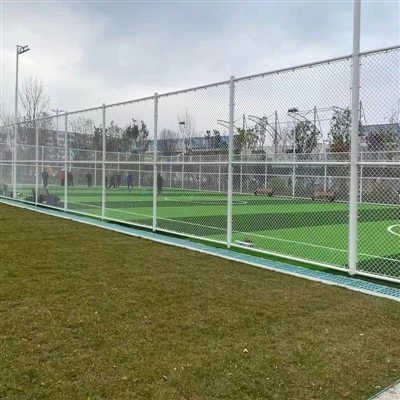
If you have more questions about steel fence fire performance, or you’re ready to get a quote for a new fence, we encourage you to reach out to our team to discuss your specific needs and location. We can work with you to design a fence that meets your property’s requirements and gives you the peace of mind that comes with knowing you have a reliable, fire-resistant barrier in place.
Court Fence References
NFPA 70: National Electrical Code, 2023 Edition
UL 263: Standard Methods of Fire Tests of Building Construction and Materials, 2021
ASTM A123: Standard Specification for Zinc (Hot-Dip Galvanized) Coatings on Iron and Steel Products, 2022
Wildland-Urban Interface Codes and Standards: NFPA 1144, 2020 Edition
Steel Construction Manual, 15th Edition, American Institute of Steel Construction, 2017
Anping County Chengrun Metal Products Co., Ltd.
With abundant experience, we are one of the most professional steel fence manufacturers and suppliers in China. Please feel free to buy premium steel fence for sale here from our factory. All customized metal products are with high quality and competitive price.
Address: Anping County, Hengshui City, Hebei Province, China
E-mail: sales@chengrunfence.com
WebSite: https://www.chengrunfence.com/
