Hey everyone, I’m [Your Job Title, like "Liam", no company name], and I’ve spent the last 7 years talking to site shuttle car operators, fleet managers, and even my own team about the weird thing that happens with these car batteries: they get warm when they charge or discharge. Not just “I left it in the sun” warm—sometimes hot enough to make people worry if it’s normal, or if they should call someone to check. Since I’m part of a company that supplies these batteries to site operations all over, I get this question so much I figured I’d break it down straight, no fancy science jargon that doesn’t mean anything. Let’s get into it. Site Shuttle Car Battery
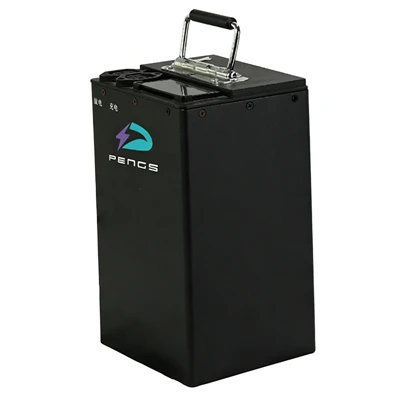
First, let’s get one thing out of the way: a little heat from these shuttle car lithium-ion batteries (that’s what almost everyone uses now for site stuff) is totally normal. If your battery never felt warm at all, that’d actually be a red flag—like, is it even working? But why does that heat happen, and when does it cross from “normal” to “I need to do something about this”? Let’s split it into charging vs. discharging, since those two are totally different.
Starting with charging. When you plug a shuttle car battery into the charger, you’re shoving electrical energy from the grid into the battery’s cells. Think of it like pouring water into a bucket—except here, the bucket has tiny chemical reactions going on that turn that electricity into stored energy. Those reactions aren’t perfect, right? Every time you transfer energy, a little bit is lost as heat. That’s basic physics, no way around it. But how much is normal? For our shuttle car batteries, during a fast charge (which most sites use to top up quick between shifts), you’ll see the surface temp go from, say, 60°F to 105-115°F. That’s fine—lithium-ion batteries are designed to handle that, especially when it’s consistent and not spiking suddenly.
But wait, what causes extra heat when charging? Let’s run through the common stuff we see at our client sites. First, bad connections. If the plug between the charger and the battery terminal is loose, or there’s corroded metal on the terminals, that creates extra resistance. Resistance = more heat. We had a site out in Texas last year that kept having battery chargers trip because their terminals were covered in dust and mud from the mine site—no big deal, just a quick cleaning, and the battery heat dropped 10°F immediately. Another big one: charging too fast. I know sites are busy, and you want to get the shuttle back out, but cranking the charger to 100% every time instead of a slow top-up will make the battery work way harder, generate more heat, and shorten its lifespan by a ton. We’ve seen clients do that and have to replace batteries 2 years early because of overheating during charging. Also, environment matters. If your charging station is in a tiny, stuffy shed where there’s no airflow, all that heat can’t escape. We had a quarry in Ohio that moved their chargers to a shaded, open area, and their battery temp during charging went down by almost 15°F—simple fix, no cost.
Now, discharging. That’s when the battery is powering the shuttle car, hauling materials around the site, climbing small hills, carrying heavy loads. This is where most of the heat comes from, honestly, because when you use energy (not just store it), there’s way more resistance and chemical activity. Let’s use a real example: a standard site shuttle car might weigh 10,000 lbs empty, add another 15,000 lbs of material, and you’re moving that up and down ramps all day. The battery has to pull way more current than it does just sitting idle. That current flow creates heat in the cells, same as when you charge, just usually more of it. For discharging, normal temp is usually 100-120°F during heavy use, and it cools down to like 85°F after sitting for 30 minutes. That’s totally okay.
But when does discharging get too hot? Again, a few common culprits. First, overloading. If you’re hauling twice the material the shuttle is rated for, the battery has to work overtime. We had a construction site in Florida that was using their shuttle to carry scrap metal way over its capacity, and the battery hit 140°F mid-shift. That’s when we got the call, and we explained the overload issue—they cut back to the rated load, and the temp stayed in the safe zone. Second, deep discharges. Letting the battery run all the way down to 0% every time, instead of topping it up when it gets to 20-30% like you would your phone, makes the chemical reactions in the battery way more strained. It’s like running a marathon when you haven’t eaten all day—your body works harder, gets warmer, and it’s bad for you. Third, lack of cooling when in use. Site shuttle cars don’t have fancy built-in AC for the battery, right? So if it’s a 90°F day at the site, the battery has to dissipate heat into already hot air, so it runs hotter. Our solution for that is adding small, low-fan cooling kits that mount to the battery casing—clients swear by them, they cut operating temps by 10-12°F in summer.
Now, the big question everyone asks: when is self-heating a problem, not just normal heat? That’s the stuff we actually prioritize with our battery designs, because we’ve seen what happens when it goes wrong. Let’s call these red flags. First, temps over 130°F during charging or discharging, and it’s staying there even after you fix the basic stuff (clean connections, stop overloading, add airflow). Second, uneven heating—like one part of the battery is way hotter than the rest. If you feel the top and it’s 100°F, but the side is 140°F, that’s a sign a cell is going bad, which can lead to a thermal runaway (that’s the big scary one, where the battery overheats so much it catches fire, though it’s super rare with good quality batteries). Third, the battery is swelling, or you smell a weird metallic or chemical odor coming from it. That’s never normal, you should shut it down immediately. Fourth, unexpected shutdowns mid-use—if the battery cuts out because it overheated, that’s not a glitch, that’s a sign it’s been running too hot for too long.
Wait, let’s talk about what we do differently as a battery supplier, because that’s what you care about if you’re running these shuttles. A lot of cheap batteries out there are made with lower-quality cells, or they skip the thermal management stuff to cut costs. Our shuttle car batteries are built with individual cell monitoring—we track every single cell’s temp and voltage, not just the overall battery temp. So if one cell is heating up more than the others, the battery’s BMS (battery management system) will adjust, either slow down charging or discharging, or even shut down temporarily to cool off. That’s why our clients have way fewer overheating issues than they do with the cheaper options they used. We also design the casings with built-in heat sinks, and we test every battery at our facility in simulated site conditions—super hot, super cold, heavy loads—to make sure they perform how they should.
I should also bust a common myth here: people think lead-acid batteries (the old ones everyone used before lithium) don’t have this heat issue. No way. Lead-acid batteries get way hotter when you discharge them heavy, and they take way longer to cool down. Plus, they’re way heavier, so the shuttle has to carry more weight, which makes the whole site less efficient. Lithium-ion is the way to go for shuttles, because they run cooler for the work they do, last longer, and are way more reliable. We’ve had clients switch from lead-acid to our lithium batteries and see a 20% drop in heat-related issues right away.
Another thing: maintenance. You can’t just buy a battery and forget about it. Simple weekly checks go a long way. Wipe down the terminals, make sure the charger plug is clean, check that there’s no debris around the battery when it’s charging or running. We send every client a quick maintenance cheat sheet when they get their batteries, and most of our regular clients follow it—they have way fewer problems than the ones who skip it. Last month, a new site client called us panicking about a battery that was running hot, and it turned out they hadn’t cleaned their terminals in 6 months. $5 worth of wire brush, and it was back to normal.
Now, if you’re reading this and your site is dealing with overheating shuttle car batteries, don’t stress. It’s almost always fixable with small changes, better maintenance, or upgrading to a quality battery. We work with sites of all sizes—small construction outfits, big mines, quarries—to fit their shuttle cars with batteries that handle their exact load and site conditions. No one-size-fits-all here, right? A shuttle working in a hot desert site needs a different battery setup than one working in a cold, wet quarry in the Pacific Northwest. We test each client’s needs first, so their battery doesn’t overheat even when they’re pushing it.

At the end of the day, self-heating in shuttle car batteries is a normal part of how they work, especially when you’re hauling heavy loads around a site all day. The key is knowing what’s normal (100-120°F during discharge, 105-115°F during charging) and what’s not (over 130°F, uneven heat, swelling, bad odors). If you’re seeing those red flags, or if you’re just tired of dealing with battery overheating issues that slow your site down, hit us up. We can do a free walkthrough of your site, check your current setup, and recommend exactly what you need—no sales pitch, just honest advice. We’ve been in this game long enough to know that happy clients are the ones who get batteries that work for their site, not the other way around.
Electric Tricycle Battery References:
- Battery University. (2022). Lithium-ion Battery Basics: Heat Generation and Thermal Management. Cadex Electronics Inc.
- SAE International. (2021). Thermal Performance Guidelines for Electric Vehicle Vehicle-to-Grid and Site Shuttle Batteries. SAE International.
- International Electrotechnical Commission. (2020). IEC 62660-2: Secondary Lithium-ion Cells for the Propulsion of Road Vehicles – Part 2: Safety Requirements. International Electrotechnical Commission.
- Quarry & Construction Industry Magazine. (2023). Battery Performance Trends for Site Shuttle Vehicles. Industry Insights Group.
Zhuhai Greaton Electronic Technology Co., Ltd.
As one of the most professional site shuttle car battery manufacturers and suppliers in China, we have world-leading production equipment and strong manufacturing capabilities. Please rest assured to wholesale advanced site shuttle car battery in stock here from our factory. Customized orders are welcome.
Address: 2nd Floor, Building A3, No. 6, Liulu, Xinqing Science and Technology Industrial Park, Jing’an Town, Doumen District, Zhuhai City
E-mail: wangchen1@psbattery.cn
WebSite: https://www.cngreaton.com/
