If you’re in the business of supplying human diagnostic test kits, you already know that even a tiny misstep in storage can turn a life-saving tool into a dud. I’ve been in this game for over 12 years, handling everything from rapid antigen tests to molecular PCR kits, and I can’t tell you how many times I’ve seen batches get thrown out because someone skipped a key storage step or winged it when no one was looking. No one wants to be that supplier who’s known for sending expired, wonky tests to clinics or homes—especially when lives might depend on those results. Human Diagnostic Test Kits
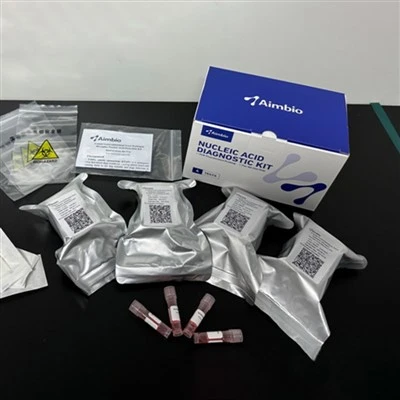
First off, let’s cut the jargon and get real: not all test kits are created equal. A pregnancy test strip that lives in a bathroom cabinet is way different from a COVID-19 molecular test kit that needs to stay cold, or a blood glucose monitoring kit that can’t handle too much humidity. I’ve seen new warehouse managers stick a box of cryopreserved viral transport media tests next to a space heater (yes, really) and wonder why 30% of the batches failed their quality checks. So the first rule? Always check the manufacturer’s storage specs before you even unbox the kit. That’s non-negotiable. I keep a binder (and a saved folder on my work laptop, with a label that says “READ FIRST—NO EXCUSES”) for every SKU we carry, with exact temp ranges, humidity limits, and even notes on whether the kit needs to be protected from light. If a test’s packaging says “store at 2–8°C,” don’t cram it into a closet that swings between 10°C in the day and 15°C at night. It’s not a suggestion—it’s the line between a valid result and a false negative that could make someone skip treatment.
Now, let’s talk about the most common storage mistake I see: temperature swings. A lot of folks think “cold” means sticking things in a fridge, but that’s not enough. Fridges have hot spots, cold spots, and door bins that get slammed open 20 times a day. If you’re storing temperature-sensitive kits (think PCR reagents, antibody tests, or refrigerated lateral flow assays), don’t just toss them on a shelf. Use calibrated temperature monitors—we use the cheap, Bluetooth ones that send an alert to my phone if the temp drifts even 1°C out of range. And for the love of all things test-related, don’t store your kit boxes in the door. Door temp is always fluctuating; keep them on the middle shelves, where the temp stays consistent. I also split my cold storage into zones: zone 1 is for 2–8°C tests, zone 2 is for -20°C (for things like frozen viral samples), and zone 3 is for room-temperature kits. That way, no one grabs a freezer pack for a pregnancy test that’s supposed to live on a shelf.
Humidity is another silent killer. I once had a batch of urine drug tests go bad because the storage area had a leaky pipe that raised humidity to 80%—the tests’ absorbent pads got mushy, and they couldn’t pick up the sample right. The fix here is simple: keep humidity between 40–60% for most kits. For room-temperature kits, a small dehumidifier in the storage closet does the trick. If you’re storing kits in warehouses, make sure the space is sealed from leaks, no matter where you are. And never leave kit boxes open—even for a minute. Dust, moisture, or even bugs (yes, really, I once found a box of test strips with a spider nest in the corner) can ruin a whole batch.
Light exposure might sound silly, but it’s a big one for molecular tests and certain antibody kits. UV light breaks down the reagents in those tests, making them useless. I’ve seen someone stack a box of PCR kits next to a window in a warehouse, and within two weeks, the entire batch had a 40% failure rate. So store light-sensitive kits in opaque containers, away from windows, and use light-blocking bins if needed. For room-temperature kits, I mark every SKU that needs light protection with a big red sticker that says “NO SUNLIGHT—PUT IN DARK.” It sounds over the top, but it works.
What about when you’re moving kits from storage? A lot of suppliers cut corners here. If you’re transporting kits between your warehouse and a clinic, or even just rearranging shelves, don’t jostle them. For temperature-sensitive tests, use insulated shipping coolers with ice packs (or dry ice for -20°C kits) and make sure the cooler is sealed tight. I once had a driver leave a cooler of flu tests in the back of his truck for four hours in 90°F weather—by the time it arrived, half the tests were invalid. Now, we have a checklist for every transport: check temp before leaving, check temp when arriving, and log it both times. No exceptions. Even for room-temperature kits, don’t stack heavy boxes on top of test kits—they can crush the packaging or damage the test strips inside.
Then there’s the “inventory rotation” rule. I’ve worked with warehouses that let old kits sit on shelves for months, and when they finally get used, they’re already expired. Use the FIFO method: First In, First Out. That means when new kits come in, put the older ones at the front of the shelf, so staff grab them first. We use color-coded labels: blue for kits that expire in 6 months, yellow for 3 months, red for 1 month. That way, no one misses an expiration date. I also do a monthly spot check of 10% of our inventory—just to make sure nothing’s getting stored wrong. Last quarter, we found a pallet of COVID tests that had been sitting in a damp corner, and we caught it before they were shipped out. That’s the kind of thing that keeps customers coming back.
Wait, what about room-temperature kits? A lot of people think those are “set it and forget it,” but no. Even kits that say “store at 15–30°C” can go bad if they’re in a space that’s too hot or too cold. I once had a batch of at-home diabetes tests that failed because someone stored them in a garage that hit 35°C in the summer. The test strips’ enzymes broke down, so they gave false high results. For room-temperature kits, keep them in a cool, dry place away from heaters, AC units, and direct sunlight. And don’t store them in bathrooms—even if you’re supplying to home users, bathrooms have high humidity from showers. We send a little tip sheet with every shipment to home customers, reminding them to keep tests in a closet, not the medicine cabinet.
Another thing: don’t mix different kits in the same storage space if they have conflicting specs. A -20°C freezer shouldn’t be next to a 2–8°C fridge. I’ve seen some small suppliers try to save space by stacking a small fridge on top of a freezer, but if the fridge leaks cold into the freezer, or vice versa, it ruins both. We have separate, clearly labeled rooms for each temp zone, with lockable doors so only trained staff can access temperature-sensitive areas. That way, no one accidentally adjusts a fridge setting that they shouldn’t.
Let’s talk about what happens when you mess up. If a batch of tests is stored wrong, don’t just pretend it’s fine. I once had a customer call saying our COVID tests were giving false negatives, and when I checked our storage logs, we found that a new employee had turned the fridge up to 10°C. We pulled the batch, refunded the customer, and fixed our training so that every new warehouse staffer has to pass a storage quiz before they can touch inventory. Transparency goes a long way—your customers (whether they’re clinics, hospitals, or home users) trust you to send them working tests, so if you make a mistake, own up to it.
Now, for the small suppliers out there who don’t have a huge warehouse with fancy temp monitors. You don’t need to drop thousands of dollars on equipment. A basic fridge thermometer, a cheap dehumidifier, and a little organization will go a long way. I started out with a closet that I turned into a storage space, with a $20 temp monitor and a handwritten schedule for rotating inventory. You don’t need fancy gear—you need consistency. That’s what separates a good supplier from one that cuts corners.
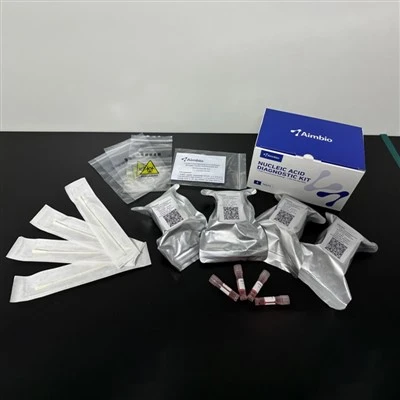
At the end of the day, storing human diagnostic test kits properly isn’t just about following rules—it’s about being reliable. Every kit we supply is someone’s tool to get answers, whether that’s confirming a pregnancy, diagnosing an infection, or managing a chronic condition. If I mess up storage, that’s a risk I can’t take. If you’re a clinic, hospital, or organization looking for a supplier that takes storage seriously, that prioritizes getting you valid, ready-to-use test kits, don’t hesitate to reach out to us for a chat about your needs. We’re here to make sure your kits arrive in perfect shape, every single time.
Human Diagnostic Test Kits References
- Centers for Disease Control and Prevention (CDC). Laboratory Testing in the Time of COVID-19: Specimen Collection, Handling, and Storage. Atlanta: CDC; 2023.
- Clinical and Laboratory Standards Institute (CLSI). Storage and Handling of In Vitro Diagnostic Products. Wayne: CLSI; 2022.
- World Health Organization (WHO). Guidelines for Storage and Transport of In Vitro Diagnostic Tests for Infectious Diseases. Geneva: WHO; 2021.
- U.S. Food and Drug Administration (FDA). Proper Storage of At-Home Diagnostic Tests. Silver Spring: FDA; 2024.
Hangzhou Aimbio Technology Co., Ltd.
Hangzhou Aimbio Technology Co., Ltd. is one of the most experienced human diagnostic test kits manufacturers and suppliers in China, featured by quality products and good price. We warmly welcome you to buy customized human diagnostic test kits made in China here from our factory. If you have any enquiry about quotation, please feel free to email us.
Address: Room 101, Building 2, No. 658 Bin’an Road, Binjiang District, Hangzhou, Zhejiang, China
E-mail: b2b@aim-bio.com
WebSite: https://www.aimbio-products.com/
