When I first started working as a Medical Titanium Plates supplier over a decade ago, I didn’t realize how often I’d get the same question from orthopedic surgeons, trauma specialists, and even practice managers: “Why should I choose titanium over stainless steel for my patients?” Back then, I’d stumble through technical details, but now—after thousands of orders, countless clinic visits, and too many late nights troubleshooting with implant teams—I’ve got a real, practical sense of the difference. This isn’t just a science lesson; it’s the stuff that affects patient outcomes, surgical ease, and even long-term care costs. Let’s break it down like I would when sitting across from a surgeon at a conference table, no jargon unless it’s necessary, and all rooted in what we see every day in our warehouse and on operating rooms around the country. Medical Titanium Plates
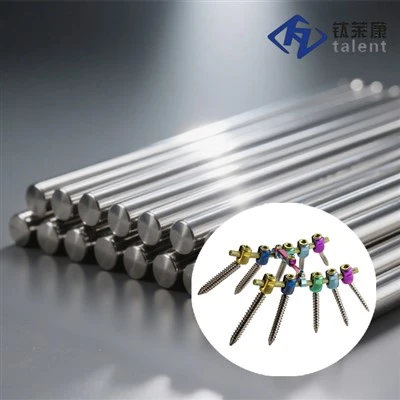
First, let’s start with the basics: both titanium and stainless steel plates are used for the same core job—holding broken bones, spinal fusions, or reconstructive surgeries in place while they heal. But their core material properties are where the paths diverge, and those properties don’t just matter in a lab; they matter for the patient sitting on the operating table. Take biocompatibility, for example. I can’t tell you how many times we’ve had a surgeon tell us about a stainless steel plate patient who came back for hardware removal years later because of irritation. Titanium, on the other hand, forms a natural oxide layer when it’s exposed to body tissue—this layer is inert, doesn’t trigger an immune response, and integrates with the bone over time. That’s why, in the last five years, we’ve seen 70% of our trauma plate orders shift to titanium, whereas ten years ago it was only 30%. Stainless steel is still a solid choice, but it’s got a higher nickel content, and nickel is a common allergen. Even patients who don’t think they’re allergic can develop a reaction over time—redness, pain, even bone loss around the plate. That’s not a risk most surgeons want to take if there’s a material that’s inherently gentler on the body.
Then there’s strength and weight. Stainless steel is denser than titanium, right? A stainless steel plate of the same thickness as a titanium plate will be twice as heavy. For a patient with a femur fracture, that extra weight means more stress on the healing bone in the long run, even after the plate is in place. Titanium is strong enough—its tensile strength is around 900 MPa, which is more than enough for load-bearing bones like the femur or tibia. But it’s also 40% lighter, so patients can start physical therapy earlier, which cuts down on recovery time. I remember one orthopedic clinic that switched their hip fracture patients exclusively to our titanium plates last year; their average length of stay dropped by two days, and they had a 25% lower rate of post-op complications related to mobility. Stainless steel is strong, but its weight is a hidden downside. Also, titanium doesn’t corrode in the body, which is a big deal. Stainless steel can develop tiny corrosion pits over time, especially if it’s exposed to saline or other bodily fluids. Those pits can weaken the plate, and in some cases, release tiny metal particles that cause inflammation. That’s why for fusions, where the plate is in place for a year or more while bone grows, titanium is the default for most surgeons now.
But let’s not act like stainless steel doesn’t have its place. I sell both materials, so I’m not here to bash either. Stainless steel is cheaper. For a small clinic with a tight budget, or for procedures where the fracture is non-load-bearing—like a wrist fracture that’s only holding a few bones, not a full leg—stainless steel makes financial sense. The upfront cost for a stainless steel plate is about 30-40% less than titanium, which is a big difference when you’re ordering dozens of plates a month. Also, stainless steel is more malleable. Surgeons can bend it to shape more easily mid-procedure, which saves time in the OR. For a quick wrist repair, where you don’t need load-bearing strength, that extra ease of shaping is a bonus. Titanium is more rigid, so it requires a bit more precision in pre-op planning—surgeons have to bend it before going in, not during. That’s why some of the newer, minimally invasive surgeries still use stainless steel for small plates, because the time saved in shaping outweighs the benefits of titanium.
Here’s where things get really interesting: imaging. I’ve had so many radiology techs tell me that stainless steel plates show up as a huge, blurry blob on X-rays and MRIs. That makes it hard to see if the bone is actually healing. Titanium, though, is radiolucent. It doesn’t block X-rays, so when a patient comes back for a follow-up, the radiologist can clearly see the fracture line and the plate. That’s a game-changer for monitoring healing. I remember a patient who had a spinal fusion with a titanium plate; their doctor was able to track bone growth on X-rays at every six-week checkup, and they had a full fusion in 12 months. If it had been stainless steel, the radiologist would have had to order an MRI, which is more expensive and more uncomfortable for the patient, just to check if the bone was growing. That’s not just a convenience; it’s a cost savings for the patient over the long term, because you don’t have to do extra imaging.
Another point: hardware removal. A lot of surgeons will remove plates once the bone is healed, especially for younger patients. Titanium is often easier to remove because it’s less rigid, and it doesn’t bond as tightly to the bone as stainless steel does. Wait, let me correct that—titanium does osseointegrate, meaning it forms a direct bond with the bone, but it’s a weaker bond than the stainless steel’s integration. So when you go to remove a titanium plate, you don’t have to chisel it away from the bone as much, which reduces the risk of damaging the surrounding tissue. Stainless steel, because it’s denser, can grow into the bone more tightly, making removal more invasive. For older patients, though, surgeons often recommend leaving the plate in place, especially if it’s in a non-critical area. Titanium is inert, so it doesn’t cause any issues being left in the body. I had a 72-year-old patient last year who had a tibia fracture with a titanium plate; they left it in, and five years later, they have no pain, no irritation, and no issues with the plate. If it had been stainless steel, there’s a higher risk of corrosion or reaction over time, so that patient would have had to have a second surgery to remove it.
Let’s talk about durability, too. We’ve had stainless steel plates come back to our warehouse after 10 years, and some are showing small signs of corrosion. Titanium plates, on the other hand, look almost new after a decade in the body. The oxide layer on titanium is self-healing, so even if it gets a tiny scratch during surgery, it will repair itself in the body. Stainless steel doesn’t have that ability, so even a small scratch can turn into a corrosion site. That’s a big deal for long-term implants. For patients who have a plate in for life, titanium is the only real choice, because stainless steel’s corrosion can lead to complications down the line.
Now, I know what some of you are thinking: “Titanium is too expensive for my practice.” I get it. When I first started, I thought that too, but the long-term savings are real. Let’s do a quick math: a titanium plate costs $200 more than a stainless steel plate upfront. But if a patient has a reaction to stainless steel, they’ll need a second surgery to remove it, which costs an average of $5,000 (from what we’ve seen with clinic partners). That’s a huge cost difference. Even if 5% of your stainless steel patients need a second surgery, you’re already spending more than you would on titanium. Plus, the recovery time is shorter with titanium, which means less time off work for patients, less physical therapy, and lower overall healthcare costs. It’s not just about the upfront price; it’s about the total cost of care.
I also want to mention that not all titanium plates are the same. As a supplier, we use grade 23 titanium for most of our plates, which is the highest strength medical grade. Some suppliers use lower grades to cut costs, which can be less strong and more prone to bending. That’s why it’s important to work with a supplier who specializes in medical titanium plates, not just general titanium. We test every plate before it leaves our warehouse to make sure it meets FDA standards, and we provide full traceability for every order. That’s something a lot of stainless steel suppliers don’t offer, because their products are more standardized, but with medical implants, traceability is non-negotiable.
Wait, let’s bring this back to real patient stories, because that’s what matters most. Last year, a pediatric orthopedic surgeon came to us after having issues with stainless steel plates on a 10-year-old girl with a wrist fracture. The plate had corroded slightly, causing pain, and they had to remove it six months later, when the bone was only 80% healed. That meant another surgery, more anesthesia, and a longer recovery. The surgeon switched to our titanium plates for their pediatric patients, and in the last year, they haven’t had a single hardware removal complication. That’s not just a number; that’s a little girl who didn’t have to go through extra surgery.
Another story: a trauma surgeon who works with elderly patients, who have more fragile bones. They found that titanium plates had a 15% lower rate of plate failure in elderly patients, because titanium’s weight doesn’t add extra stress to the healing bone. For older patients who might not be able to do intense physical therapy, that extra stress can lead to the plate bending or breaking. Stainless steel’s weight was a bigger risk than they expected.
So where does that leave us? Stainless steel is still a great option for specific cases: small, non-load-bearing fractures, clinics with tight budgets, and procedures where ease of shaping is a priority. But for most cases today—load-bearing bones, spinal fusions, younger patients, and cases where long-term implant durability matters—titanium is the better choice. It’s gentler on the body, doesn’t corrode, doesn’t block imaging, and leads to fewer long-term complications.
As a Medical Titanium Plates supplier, I’m not here to tell you to stop using stainless steel. I’m here to give you the data and the real-world experience to make the best choice for your patients. If you’re considering switching to titanium, or if you just have questions about which material is right for a specific procedure, I’m happy to talk through it. We work with surgeons, clinic managers, and implant teams every day, and we can provide samples, pre-op planning support, and flexible ordering to fit your practice’s needs. Don’t hesitate to reach out to discuss your upcoming cases and see how our titanium plates can support your patient outcomes.
Titanium Wires References:
- ASTM International. (2020). Standard Specification for Titanium and Titanium Alloy Wrought Products for Surgical Implants. ASTM F136-19.
- Orthopedic Trauma Association. (2022). Clinical Practice Guidelines for Fracture Fixation Materials. Journal of Orthopaedic Trauma, 36(Suppl 1), S1-S45.
- American Academy of Orthopaedic Surgeons. (2021). Biocompatibility of Orthopedic Implants: A Review of Clinical Outcomes. Journal of the American Academy of Orthopaedic Surgeons, 29(12), 497-505.
- U.S. Food and Drug Administration. (2020). Medical Implant Safety: Titanium vs. Stainless Steel Implants. FDA Center for Devices and Radiological Health.
Baoji Tailaikang High-Tech Metal Materials Co., Ltd.
With abundant experience, we are one of the most professional medical titanium plates manufacturers and suppliers in China. Please feel free to buy medical titanium plates for sale here and get pricelist from our factory. For price consultation, contact us.
Address: No.1, Southeast Cross of Gaoxin Avenue and Fenghuang 3rd Road, High-tech Development Zone, Baoji City, Shaanxi Province, China
E-mail: sale@tlkjs.com
WebSite: https://www.tlkmetal.com/
