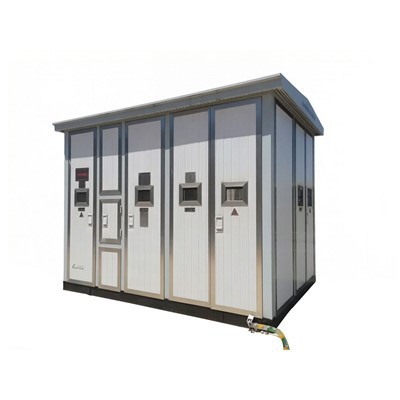
Selecting the right low voltage switchgear is a critical decision for any industrial, commercial, or residential project. As a seasoned supplier of low – voltage switchgear, I understand the complexities and nuances involved in this choice. In this blog, I’ll share my insights on how to make an informed decision when it comes to choosing the appropriate low voltage switchgear for your specific needs. Low Voltage Switchgear
Understanding Low Voltage Switchgear
Low voltage switchgear refers to electrical equipment used to control, protect, and isolate electrical circuits operating at low voltages, typically below 1000V. It includes components such as circuit breakers, contactors, relays, fuses, and switches. These components work together to ensure the safe and reliable distribution of electrical power.
The primary functions of low voltage switchgear are:
- Control: It allows you to start, stop, and regulate the flow of electricity in a circuit. For example, contactors can be used to control the operation of motors.
- Protection: Protects electrical equipment and circuits from damage due to overcurrent, short – circuit, and other electrical faults. Circuit breakers and fuses are key protection devices.
- Isolation: Enables the isolation of a circuit from the power source for maintenance or repair work, ensuring the safety of personnel.
Factors to Consider When Choosing Low Voltage Switchgear
1. Electrical Requirements
- Voltage Rating: The first step is to determine the voltage level of your electrical system. Common low – voltage levels include 230V, 400V, and 690V. Make sure the switchgear you choose is rated for the specific voltage of your application. Using switchgear with an incorrect voltage rating can lead to equipment failure and safety hazards.
- Current Rating: Calculate the maximum current that the switchgear will need to carry. This depends on the connected loads, such as motors, lighting, and other electrical devices. Overloading the switchgear can cause overheating and premature failure. Consider both the normal operating current and any potential inrush currents, especially for motor – driven loads.
- Short – Circuit Rating: The short – circuit rating indicates the ability of the switchgear to withstand and interrupt the high currents that occur during a short – circuit fault. A higher short – circuit rating is required for systems with a higher fault current level. It’s crucial to accurately assess the short – circuit current at the installation site to ensure the switchgear can provide adequate protection.
2. Application and Environment
- Type of Application: Different applications have different requirements for switchgear. For example, in an industrial environment, where there are large motors and high – power equipment, you may need switchgear with high – capacity circuit breakers and advanced protection features. In a commercial building, such as an office or a shopping mall, the focus may be more on reliability and ease of operation for lighting and small – power loads.
- Environmental Conditions: Consider the environmental conditions where the switchgear will be installed. Factors such as temperature, humidity, dust, and corrosive substances can affect the performance and lifespan of the switchgear. For harsh environments, such as outdoor installations or chemical plants, you may need switchgear with special enclosures and protection against environmental factors. For example, IP (Ingress Protection) rated enclosures can protect against dust and water ingress.
3. Safety Features
- Arc Flash Protection: Arc flash is a dangerous electrical hazard that can cause serious injury or death to personnel. Look for switchgear with arc flash protection features, such as arc – resistant enclosures and arc – fault detection systems. These features can help minimize the risk of arc flash incidents by quickly detecting and interrupting the fault.
- Ground Fault Protection: Ground fault protection is essential for protecting against electrical shock and equipment damage. It detects any leakage current to the ground and trips the circuit breaker to prevent further hazards. Make sure the switchgear has reliable ground fault protection mechanisms.
4. Quality and Reliability
- Manufacturer Reputation: Choose a switchgear from a reputable manufacturer. A well – established manufacturer is more likely to have strict quality control processes and use high – quality materials. Research the manufacturer’s history, customer reviews, and certifications. Look for manufacturers that comply with international standards such as IEC (International Electrotechnical Commission) and UL (Underwriters Laboratories).
- Testing and Certification: Ensure that the switchgear has undergone rigorous testing and has the necessary certifications. Testing can include type – tests, routine tests, and special tests to verify the performance and safety of the switchgear. Certifications are an indication that the switchgear meets the relevant industry standards.
5. Maintenance and Serviceability
- Ease of Maintenance: Consider the ease of maintenance when choosing switchgear. Look for features such as easy access to components, clear labeling, and modular design. Modular switchgear allows for easier replacement of individual components, reducing downtime in case of a failure.
- Availability of Spare Parts: Ensure that spare parts for the switchgear are readily available. This is important for minimizing downtime during maintenance or repair work. A reliable supplier should be able to provide quick access to spare parts and technical support.
Our Offer as a Low Voltage Switchgear Supplier
As a low voltage switchgear supplier, we are committed to providing high – quality products and excellent service to our customers. Our switchgear is designed and manufactured to meet the highest international standards, ensuring reliability and safety.
We offer a wide range of low voltage switchgear solutions to meet different customer needs. Whether you need switchgear for a small commercial project or a large industrial installation, we have the right product for you. Our products include:
- Fixed – Type Switchgear: Ideal for applications where the load is relatively stable and there is no need for frequent changes in the circuit configuration.
- Withdrawable – Type Switchgear: Offers greater flexibility and ease of maintenance. The withdrawable units can be easily removed and replaced, allowing for quick repairs and upgrades.
In addition to our high – quality products, we also provide comprehensive technical support and after – sales service. Our team of experienced engineers can assist you in selecting the right switchgear for your project, providing installation guidance, and offering maintenance and repair services.
Conclusion
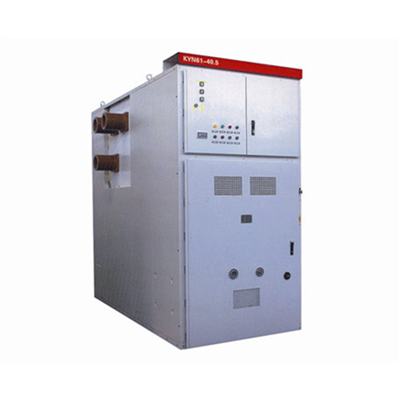
Choosing the right low voltage switchgear is a complex but important decision. By considering factors such as electrical requirements, application and environment, safety features, quality and reliability, and maintenance and serviceability, you can make an informed choice that meets your specific needs.
Compact Substation As a trusted low voltage switchgear supplier, we are here to help you every step of the way. If you are in the process of selecting low voltage switchgear for your project, we encourage you to contact us for a detailed consultation. Our team will be happy to discuss your requirements and provide you with the best possible solutions.
References
- IEC 60439 – Low – voltage switchgear and controlgear assemblies.
- UL 891 – Standard for Switchboards.
- Electrical Power Systems Quality by Roger C. Dugan, Mark F. McGranaghan, and Surya Santoso.
Anhui Xinchen Electrical Equipment Co., Ltd.
We are one of the most reliable low voltage switchgear manufacturers and suppliers in China, specialized in providing high quality customized products. We warmly welcome you to buy bulk low voltage switchgear for sale here from our factory. Contact us for quotation.
Address: No. 8, Waihuan South Road, Economic and Technical Development Zone, Ningguo City, Xuancheng City, Anhui Province
E-mail: xinchen0316@126.com
WebSite: https://www.cn-xinchen.com/
