As a trusted supplier of laser welding machines, I’ve witnessed firsthand the transformative power of this technology in various industries. Laser welding machines offer unparalleled precision, speed, and quality, making them a go-to solution for joining metals and other materials. However, like any manufacturing process, laser welding generates waste that requires proper handling. In this blog post, I’ll delve into the types of waste produced during laser welding and share effective strategies for managing it. Laser Welding Machine
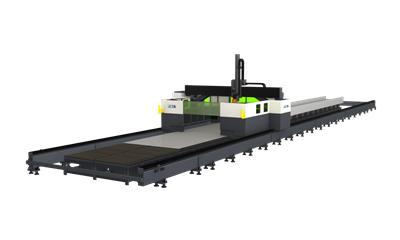
Types of Waste Generated During Laser Welding
1. Metal Spatter
One of the most common types of waste generated during laser welding is metal spatter. This occurs when the high-intensity laser beam melts the workpiece, causing tiny droplets of molten metal to be ejected from the weld pool. Metal spatter can accumulate on the workpiece, welding fixture, and surrounding equipment, leading to surface contamination and potential damage to the finished product.
2. Fumes and Particulates
Laser welding also produces fumes and particulates as a result of the vaporization of the workpiece material. These fumes can contain harmful substances such as metal oxides, heavy metals, and volatile organic compounds (VOCs), which pose a significant health risk to operators if inhaled. In addition to health concerns, fumes and particulates can also contaminate the welding environment, reducing visibility and potentially affecting the quality of the weld.
3. Welding Slag
Welding slag is another byproduct of laser welding, particularly when welding certain types of metals such as stainless steel and aluminum. Slag is formed when the flux or shielding gas reacts with the molten metal, creating a crusty layer on the surface of the weld. While welding slag can provide some protection to the weld during the cooling process, it must be removed after welding to ensure a clean and smooth surface finish.
4. Purging Gas Residue
In some laser welding applications, a purging gas such as argon or nitrogen is used to protect the weld pool from oxidation and contamination. After the welding process is complete, the purging gas may contain residual contaminants, such as metal particles and oxides, which need to be properly disposed of.
Strategies for Managing Laser Welding Waste
1. Implement a Proper Ventilation System
To mitigate the health risks associated with fumes and particulates, it’s essential to have a well-designed ventilation system in place. This system should be capable of capturing and removing the generated fumes and particulates from the welding area, ensuring a safe and healthy working environment for operators. High-efficiency particulate air (HEPA) filters can be used to trap fine particles, while activated carbon filters can help remove VOCs and other odorous compounds.
2. Use Spatter Shields and Traps
To prevent metal spatter from accumulating on the workpiece and surrounding equipment, spatter shields and traps can be used. Spatter shields are typically made of heat-resistant materials and are placed around the weld area to deflect spatter away from sensitive components. Spatter traps, on the other hand, are designed to collect and contain the ejected spatter, making it easier to clean up after welding.
3. Employ Post-Welding Cleaning Processes
After welding, it’s important to remove any welding slag, spatter, and other contaminants from the workpiece surface. This can be achieved through various post-welding cleaning processes, such as grinding, sandblasting, or chemical cleaning. The choice of cleaning method will depend on the type of material being welded, the nature of the contamination, and the desired surface finish.
4. Recycle and Reuse Welding Materials
Where possible, consider recycling and reusing welding materials to reduce waste and minimize environmental impact. For example, scrap metal generated during the welding process can be collected and sold to metal recyclers. Additionally, some welding consumables, such as electrodes and filler wires, can be refurbished and reused, provided they meet the required quality standards.
5. Train Operators on Waste Management Practices
Proper training of operators is crucial for effective waste management in laser welding. Operators should be educated on the types of waste generated during the welding process, the potential health and environmental risks associated with these wastes, and the appropriate waste management procedures. This includes proper use of personal protective equipment (PPE), such as respirators and protective clothing, as well as the correct handling and disposal of waste materials.
Impact of Waste Management on Laser Welding Machine Performance
Effective waste management not only protects the health of operators and the environment but also has a positive impact on the performance and longevity of laser welding machines. Accumulation of metal spatter, fumes, and particulates can cause damage to the machine’s optical components, such as lenses and mirrors, leading to reduced laser beam quality and increased maintenance requirements. By implementing proper waste management practices, you can minimize the risk of equipment damage and ensure consistent and reliable performance of your laser welding machines.
Why Choose Our Laser Welding Machines
At our company, we understand the importance of waste management in laser welding. That’s why our laser welding machines are designed with features that help minimize waste generation and facilitate easy cleaning and maintenance. Our advanced ventilation systems effectively capture and remove fumes and particulates, while our innovative spatter shields and traps reduce the amount of spatter that accumulates on the workpiece and equipment.
In addition to our commitment to waste management, our laser welding machines offer a range of other benefits, including:
- High Precision and Quality: Our machines utilize state-of-the-art laser technology to deliver precise and high-quality welds, ensuring the integrity and durability of your products.
- Versatility: Our laser welding machines are suitable for a wide range of materials and applications, making them a versatile solution for various industries.
- Ease of Use: With user-friendly interfaces and intuitive controls, our machines are easy to operate, even for novice users.
- Reliability and Durability: Built with high-quality components and rigorous quality control measures, our machines are designed to provide reliable and long-lasting performance.
Contact Us for Your Laser Welding Needs
If you’re looking for a reliable and efficient laser welding solution that prioritizes waste management and environmental sustainability, look no further. Our team of experts is ready to assist you in selecting the right laser welding machine for your specific requirements and providing comprehensive support throughout the entire process.
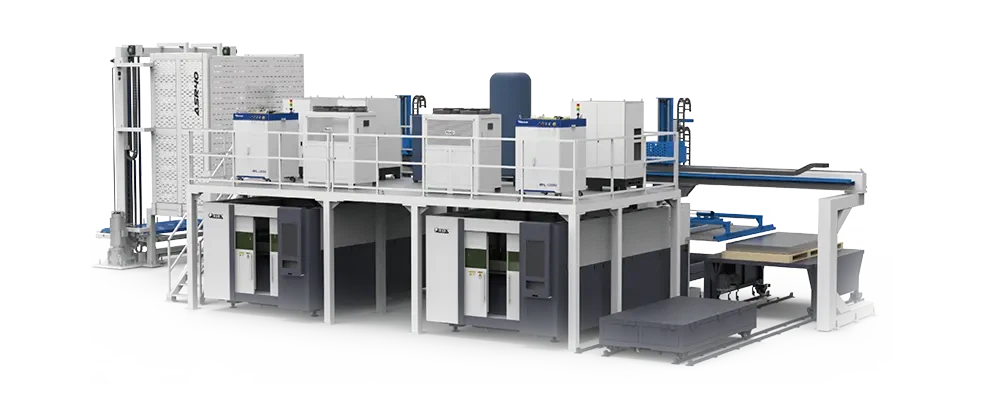
Material Storage and Automatic Loading/Unloading System Whether you’re a small business or a large industrial manufacturer, we can help you achieve your welding goals while minimizing waste and maximizing productivity. Contact us today to learn more about our laser welding machines and how they can benefit your business. Let’s work together to create a cleaner, greener, and more efficient manufacturing future.
References
- American Welding Society. (2022). Welding Handbook, Volume 1: Welding Science and Technology.
- ISO 15011:2009. (2022). Welding and allied processes – Health and safety in welding and allied processes – Sampling of airborne particles and gases in the operator’s breathing zone.
- Occupational Safety and Health Administration (OSHA). (2022). Welding, Cutting, and Brazing.
Suzhou Quick Laser Technology Co., Ltd.
Suzhou Quick Laser Technology Co., Ltd. is one of the most professional laser welding machine manufacturers and suppliers in China, featured by quality products and good price. Please feel free to buy durable laser welding machine for sale here from our factory. For more information, contact us now.
Address: No. 6, Qingqiu Street, Industrial Park, Suzhou, Jiangsu Province, China
E-mail: info@qlteklaser.com
WebSite: https://www.qlteklaser.com/
