Hey there — quick disclaimer before I dive in: I’m not some fancy economist or corporate guru, just a small-batch culture paper supplier who’s been grinding in this game for 8 years. I get a lot of questions lately from folks asking why culture paper matters beyond “it’s just that pretty, textured stock for prints or packaging.” Most people glaze over when I say it’s not just about the paper itself — it’s how it hooks into local economies in ways you might not even notice. Let me break this down like I would over a lathe at my workshop, no stuffy jargon, promise. Culture Paper
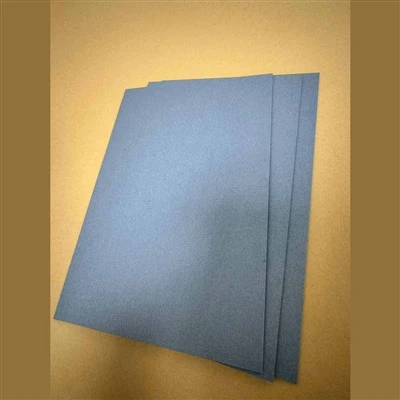
First off, let’s clear up what “culture paper” actually is, for anyone who’s not in the print game. It’s not that smooth, boring copy paper you dump in your office printer. This is the stuff with intentional texture — like the subtle linen weave, deckled edges, or even hand-made elements that hold a little of the region’s vibe. A lot of it’s sourced locally, too, which is the secret sauce for small towns or mid-sized cities where big box paper mills bailed out 10, 15 years ago.
Let’s start with the basics: when I buy raw fiber (usually cotton, hemp, or even recycled post-consumer paper — y’know, the stuff people toss in curbside bins) from local farmers and scrap yards, that money doesn’t just leave the area. It goes straight to a guy 20 miles outside town who grows organic cotton, or a small recycling facility that hires three local guys to sort paper. I’ve seen that cash turn around: that cotton farmer just bought a new tractor last year, which meant his nephew got a part-time mechanic gig fixing it. That’s ripple effect 101, but it’s easy to sleep on when you’re staring at a ream of paper on a shelf.
Then there’s the actual manufacturing side of my shop. I employ 12 local people right now: a couple of mixers who cook the fiber pulp (we add non-toxic dyes, too, so that’s another small chemical supply shop here in town we work with), a printer’s assistant who runs our old press, a graphic designer (local, obviously) who helps clients customize stock, and even a part-time truck driver who hauls finished orders to print shops and small businesses within a 50-mile radius. If I had to outsource any of that, half of those jobs would vanish. Last year, we expanded because a local coffee chain ordered 500 reams for their new bag design — that expansion meant I added one more mixer and part-time admin, both hires from the neighborhood. That’s local money circling, not leaving.
Wait, let’s talk specific sectors that rely on culture paper, because that’s where the economy really gets juiced. First, small print shops — the ones that do wedding invitations, local brewery labels, community event flyers. Big mills only make generic stock, so these shops (and their clients) need that one-of-a-kind texture that makes a product stand out. My supplier is their go-to, and they in turn hire local designers, delivery people, even wedding calligraphers. I remember a few years back, a craft brewery here wanted to launch a limited-edition IPA labeled on hand-made culture paper that used local hemp fiber — that order let the print shop hire two extra people for a month, and the brewery sold 3x more of that IPA because the packaging felt special. That’s not just a sale; that’s a whole string of local businesses all making more money because they used a local culture paper supplier.
Another big one: heritage brands and tourism. Cities with a distinct culture — like, say, a historic river town or a place known for folk art — use culture paper to brand themselves. The local visitor center prints brochures on it, souvenir shops stock note cards made by local artisans (some of those artisans buy paper from me, add their own drawings, then sell it in their shops), even the local museum uses it for exhibit programs. Last summer, a tourism board in a nearby small town told me they switched from generic copy paper to our culture paper for all their materials — they said visitor numbers went up 12% that season because the brochures felt “authentic to the area.” More tourists mean more money for local restaurants, B&Bs, gift shops. That’s a direct line from my paper to a local hotel’s revenue.
Don’t sleep on the export side, either — but not the big corporate export stuff. A lot of my clients are small businesses from other countries who seek out “regionally made” culture paper because it tells a story. A design studio in Japan recently ordered 1,000 reams from me because they wanted to use North American cotton fiber in their packaging. That money didn’t just come in; I used a local freight forwarder (another small business) to ship it, and I bought a new delivery van from a local dealership with a portion of the profit. Even international sales tie back to local players, not some overseas warehouse.
Now, let’s be real — it’s not all sunshine and paper cuts. There are hurdles. Big paper mills can undercut prices because they’re mass-producing, which makes it hard for small suppliers like me to compete sometimes. But here’s the thing: people are starting to care about the “who” behind their products. They don’t just want cheap paper — they want to know the fiber came from a local farmer, the paper was made by someone down the street. That’s the edge we have. Last year, a national retail chain reached out to me to make custom packaging for their line of local craft products — that deal meant I got to hire two more people, and the retail chain now sources their paper from three other small suppliers in nearby states. That’s how the culture paper network grows, not just for me, but for every local business involved.
Wait, let’s circle back to the jobs angle, because that’s what makes the economy real. I did a quick check last month: between my shop, the farmers I buy fiber from, the recycling facility, the print shops that use my paper, and the artisans who add their own designs, that’s roughly 75 local jobs that depend on my culture paper supply. A lot of those are part-time or entry-level for kids just out of high school, or people who needed flexible hours (like a mom who wanted to work 20 hours a week). Without the local paper supplier, those jobs would be gone — that’s not just numbers on a page, that’s rent paid, groceries bought, kids’ sports fees covered.
And let’s not forget the small, weird ways it contributes. Last quarter, I donated 50 reams of paper to the local high school’s art program. That art program used it for a mural contest — the winner got their design printed on custom note cards, which the school sold for a fundraiser. The fundraiser made $1,200, which went to new art supplies. So that $50 worth of paper turned into $1,200 for the school, which then paid the art teacher, bought more paper, etc. That’s how even small community donations loop back into the local economy.
I get it — a lot of people see paper as a commodity, like milk or bread. But culture paper is different. It’s a product that carries a place with it. When you buy it from a local supplier, you’re not just buying stock for a print job — you’re supporting the guy who grew the cotton, the driver who hauled it, the designer who customized it, the small business that’s using it to stand out. That’s the kind of economic impact you can’t get from a big box supply company that ships paper from overseas.

Here’s the thing I tell anyone who asks: if you’re a local business owner, a printer, even a tourist shop owner, don’t sleep on local culture paper. It’s not more expensive (not by much, anyway) and the payoff for your community is way bigger than any generic stock. If you’re looking to upgrade your packaging, print something that feels authentic, or just support local jobs, hit me up — I can walk you through different fibers, textures, and even connect you to other small businesses in the area that work with my paper. No corporate hoops, no rigid contracts, just straight talk and paper that’s made with the same care we’ve had here for years.
Copy Paper References:
- Local Sustainable Business Coalition. (2022). "Small-Scale Paper Production and Regional Economic Multipliers"
- U.S. Small Business Administration. (2023). "Local Supplier Impact on Rural and Urban Job Creation"
- Craft Beverage Expo. (2022). "Packaging as a Local Brand Differentiator: Small Brewery Case Studies"
Dongguan Banyan Material Co., Ltd.
We are one of the most experienced culture paper manufacturers and suppliers in China, also support customized service. Please feel free to wholesale bulk eco-friendly culture paper from our factory. Quality products and reasonable price are available.
Address: NO.167, Meijing West Road, Songmushan, Dalang Town, Dongguan City, Guangdong Province, China
E-mail: Sales_chris@yspaper.com
WebSite: https://www.paperyoung.com/
