Hey everyone, if you’ve ever hauled a suitcase through an airport, you know that heavy bags are the worst. You’re already juggling a carry-on, a laptop bag, and half a bottle of overpriced water after security—you don’t need your luggage adding more stress. Lately, I’ve been talking to a ton of travelers who ask me the same thing: “How much does a lightweight suitcase actually weigh?” As the guy who runs this small lightweight suitcase supply business, I hear that question all the time, and it’s way more important than you’d think. Lightweight Suitcase
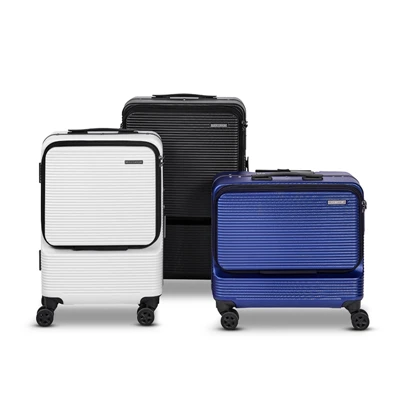
First off, let’s get one thing straight: “lightweight” isn’t just a buzzword we made up to overcharge people for thin fabric. It’s a specific range, and there’s science behind it. Back when I first started in this space, I had no clue about the old standard—most traditional suitcases back in the day weighed like a small pet. A checked suitcase from the 90s? We’re talking 10 to 15 pounds empty, easy. That’s before you even toss in a pair of jeans, a few shirts, and that random charger you always forget. And don’t get me started on the overhead bin ones back then—they were like carrying a cinder block with wheels. I remember helping a friend move for a job a few years ago, and he was complaining his carry-on was so heavy he’d already lost 2 pounds just hauling it to the gate. That’s when I realized people were sick of this garbage, so I set out to make something different.
Now, let’s break down the real numbers, because that’s what everyone actually cares about. For carry-on lightweight suitcases, the sweet spot is usually between 5 and 8 pounds empty. Wait, hold on—some brands will claim their carry-on is 3 pounds, but if you dig into it, that thing’s made of flimsy plastic that’ll crack if you so much as set it down on a curb. Or the handle breaks after two trips. At the end of the day, you need a suitcase that’s light, but also durable enough to survive being slung onto a plane, stuffed under a seat, and dragged across cobblestones. Our carry-ons land right around 6.5 pounds empty, and that’s not by accident—we tested every material under the sun to get that balance. We tried aluminum frames, but they added too much weight. Then we went with a reinforced polycarbonate that’s super tough but still thin enough to cut down on bulk. We also swapped heavy zippers for smooth, lightweight YKK ones that don’t jam, and we kept the wheels small but hard—no bulky, heavy spinner wheels that add an extra pound for no reason.
Check-in lightweight suitcases are a little different, because they’re bigger and need to hold more, but they still shouldn’t be a workout to lift. Most good lightweight checked bags are between 7 and 10 pounds empty. The old checked bags weighed 12 to 15 pounds, so switching to a 8-pound empty bag is like saving 7 pounds right off the bat—more space for your stuff, less weight you have to pay for. Airlines have those stupid weight limits, right? Most domestic flights are 50 pounds total for checked bags. If your empty bag is 10 pounds, that’s 40 pounds of clothes and toiletries. If it’s 7 pounds, that’s 43 pounds—room to spare for that extra pair of shoes you can’t leave at home. I’ve had so many customers tell me they avoided overweight fees because their suitcase was light. That’s the real win here—those overweight fees are a scam, honestly, and a good lightweight suitcase helps you dodge them.
Wait, but what about soft-sided vs. hard-sided? That’s a huge one people argue about all the time. Soft-sided lightweight suitcases tend to be on the lower end of the weight spectrum—like 5 to 7 pounds for carry-ons, 7 to 9 pounds for checked. They’re flexible, so you can cram in extra stuff if you need to, and they’re easier to fold up for storage when you’re not using them. But the downside? They don’t protect your stuff as well. If you’re carrying a laptop, a bottle of wine, or something fragile, a soft-sided bag might not hold up if it gets tossed around. Hard-sided ones are a little heavier, usually 6 to 8 pounds for carry-ons, 8 to 10 for checked, but they’re way better for protecting your valuables. We sell both, obviously, because different people need different things. A college student flying home for break might want a soft-sided one that’s cheap and light, while a business traveler bringing a work laptop will prefer the hard-sided for protection.
A lot of people ask me, “Why does weight even matter that much? Can’t I just pack lighter?” Yeah, sure, but not everyone can. If you’re going on a two-week trip with winter clothes, you’re not packing light. Or if you have to bring a bulky sports bag or a gift for a friend, you need the space. And don’t forget about wheeling it through the airport. I see so many travelers huffing and puffing with their heavy bags, struggling up escalators or through subway turnstiles. Last month, I was at JFK, and I saw a woman with a 15-pound empty suitcase—she had to stop every two steps just to catch her breath. That’s not fun. Lightweight suitcases take all that effort out of moving. You can roll them alongside you, no huffing, no straining your back. And for people with bad joints or disabilities? That’s a game-changer. A few months back, a customer emailed us saying her lightweight carry-on let her travel with her daughter for spring break without any knee pain she usually gets from heavy bags. That’s the stuff that makes this job worth it, right?
Now, I know there are a lot of knockoff brands out there that will lie about their suitcase’s weight. They’ll say their carry-on is 4 pounds, but when you get it, it’s actually 7. How? They cut corners. They use cheap, heavy plastic, or they add unnecessary features that no one uses—like built-in speakers or LED lights that add pounds. We test every single one of our suitcases on a precision scale before we send them out, so we know exactly what they weigh. No fine print, no hidden weight. If our website says a carry-on is 6.5 pounds, that’s exactly what it is. We also send samples to independent testers—travel bloggers, frequent fliers, even my aunt who travels every month to visit her grandkids—and they all confirm the weight is spot on.
Another thing people don’t think about: airline weight limits for carry-ons. Some international airlines have super strict carry-on limits—like 15 pounds total. If your carry-on is 10 pounds empty, that means you only have 5 pounds left for everything you bring. That’s not enough for a coat, a few shirts, and a laptop. But if your carry-on is 6 pounds empty, that’s 9 pounds of space for your stuff. That’s the difference between being able to bring what you need and having to stuff your coat in a personal item or check a bag for an extra fee. I’ve seen travelers get stopped at the gate because their carry-on was too heavy, and they had to throw things away or pay $100 to check it. A lightweight suitcase eliminates that stress.
So, what should you actually look for when buying a lightweight suitcase? First, check the empty weight. Don’t just take the brand’s word for it—look for product specs, or if you’re buying in a store, ask to weigh it. Second, think about what you’re using it for. Carry-on vs. checked, soft vs. hard-sided, what you’re packing in it. Third, make sure it’s durable. Like I said earlier, a super light suitcase that breaks after two trips isn’t worth it. We offer a 5-year warranty on all our lightweight suitcases, because we stand by their quality. We’ve had customers use our bags for 10+ years, and they still work great. That’s the kind of value you can’t get from a cheap knockoff.
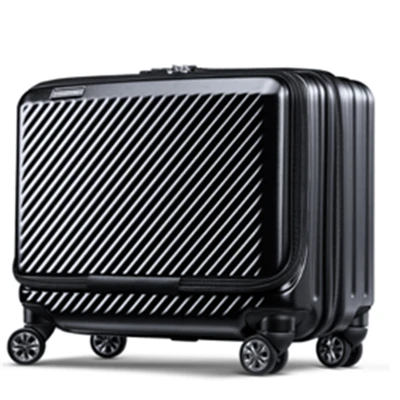
As the owner of this lightweight suitcase supply business, I’ve seen firsthand how much a good bag can change someone’s travel experience. It’s not just about a number on a scale—it’s about not having to stress about your luggage, not paying extra fees, not straining your back, and being able to focus on the fun part of traveling: the trip itself. If you’re a retailer or a business looking to stock lightweight suitcases for your customers, or if you need bulk orders for a team or an event, we work with all kinds of clients. We offer competitive wholesale pricing, custom branding options if you need it, and we handle shipping so you don’t have to worry about a thing. Drop us a line to chat more about how we can help you get the right lightweight suitcases for your needs. No pressure, no sales pitch—just real talk about making travel easier for everyone.
Lightweight Suitcase References
- International Air Transport Association. (2023). Baggage Allowance and Fees Report.
- Consumer Reports. (2022). Lightweight Suitcase Testing and Buying Guide.
- Journal of Travel Medicine and Tourism. (2021). The Impact of Luggage Weight on Traveler Physical Strain and Satisfaction.
- YKK Corporation. (2020). Lightweight Zipper Technology for Luggage Applications.
Guangdong Meijiamei New Material Technology Co., Ltd.
As one of the most professional lightweight suitcase manufacturers and suppliers in China, we also support customized service. Welcome to wholesale bulk high quality lightweight suitcase made in China here from our factory. If you have any enquiry about quotation and free sample, please feel free to email us.
Address: Building 6, No.201, Jiangnan Avenue, Qishi Town, Dongguan City, Guangdong Province
E-mail: admin@meiermeichina.com
WebSite: https://www.cnmeijiamei.com/
