As a supplier of electric wires, I often get asked about the lifespan of electric wires. The question is crucial for both industrial and residential clients to ensure safety and cost – effectiveness. In this blog post, I’ll explore the factors that determine the lifespan of an electric wire, typical lifespan ranges, and how to extend it. Electric Wire
Factors Influencing the Lifespan of Electric Wires
Material Quality
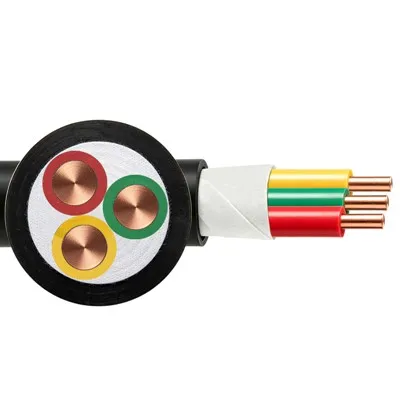
The materials used in the construction of electric wires play a fundamental role in determining their lifespan. Cooper and aluminum are the two most common conductors in electrical wires. Copper is known for its high conductivity, corrosion resistance, and mechanical strength. Wires made of high – purity copper generally last longer. High – grade insulation materials such as cross – linked polyethylene (XLPE), polyvinyl chloride (PVC), or rubber also contribute to a longer lifespan. XLPE, for instance, has excellent thermal and electrical properties, making it suitable for high – voltage applications and increasing the wire’s durability.
On the other hand, if low – quality materials are used, the wire may be more prone to oxidation, breakage, or insulation failure. Inferior copper may have impurities that reduce conductivity, while poor – quality insulation can crack or degrade quickly.
Environmental Conditions
The environment in which the electric wire is installed has a significant impact on its lifespan. Temperature is a major factor. High temperatures can accelerate the aging process of the insulation material. For example, if an electric wire is installed in an area close to industrial machinery or in direct sunlight, the heat can cause the insulation to become brittle and crack, exposing the conductor and increasing the risk of short circuits or electrical fires.
Humidity and moisture are also critical. In damp environments, water can penetrate the insulation, leading to corrosion of the conductor. This is particularly true for underground or underwater installations. Chemical exposure is another environmental concern. Wires installed in industrial plants where they are exposed to chemicals, acids, or solvents may experience rapid deterioration of both the conductor and the insulation.
Electrical Load
The electrical load carried by the wire is a determining factor in its lifespan. Overloading, which occurs when the current flowing through the wire exceeds its rated capacity, can cause excessive heating. The heat generated can damage the insulation and even lead to melting of the conductor in extreme cases. For example, if a wire rated for a maximum of 15 amps is consistently used to carry a 20 – amp load, the increased temperature will gradually degrade the wire over time.
Conversely, if the wire is under – utilized, it may last longer, but this can also lead to inefficiencies in the electrical system. Therefore, it is essential to select the appropriate wire size based on the expected electrical load.
Installation Quality
Proper installation is key to ensuring a long lifespan for electric wires. Incorrect installation, such as sharp bends, improper clamping, or inadequate support, can cause physical damage to the wire. Sharp bends can weaken the conductor and damage the insulation, while improper clamping can lead to overheating at the connection points.
Moreover, when making connections, if the terminals are not tightened properly, it can result in increased electrical resistance and subsequent heating. This can be a major cause of premature wire failure. Therefore, it is always recommended to have electric wires installed by licensed and experienced electricians.
Typical Lifespan Ranges
In general, under normal operating conditions and with proper installation, copper – wired electrical systems in residential buildings can last anywhere from 50 to 70 years. This is because copper has good long – term stability and the insulation materials used in residential wiring are designed for durability.
For commercial and industrial settings, where the electrical loads are often higher and the environmental conditions can be more challenging, the lifespan of electric wires may be shorter. Typically, wires in these settings can last between 20 to 40 years. However, this can vary widely depending on the specific factors mentioned above.
Underground power cables, which are exposed to soil conditions, moisture, and sometimes mechanical stress from construction work, may have a lifespan ranging from 25 to 50 years. The insulation materials used in these cables, such as XLPE, are designed to resist the harsh underground environment, but they still face challenges that can reduce their longevity.
How to Extend the Lifespan of Electric Wires
Regular Inspections
One of the most effective ways to extend the lifespan of electric wires is through regular inspections. Licensed electricians can examine the wires for signs of wear, such as cracked insulation, discoloration, or loose connections. In industrial settings, regular thermal imaging can be used to detect overheating areas in the wiring system, which may indicate potential problems.
For residential buildings, it is advisable to have an electrical inspection every 5 – 10 years. In commercial and industrial facilities, more frequent inspections, perhaps annually or semi – annually, may be necessary depending on the nature of the electrical load and the environment.
Proper Maintenance
Maintaining the appropriate operating conditions is crucial for extending wire lifespan. This includes keeping the temperature and humidity within acceptable ranges. In industrial environments, ventilation systems can be used to cool the equipment and wiring. In areas prone to moisture, proper waterproofing and drainage measures can be implemented.
Periodically tightening the connection points can also prevent overheating due to loose connections. Additionally, if any damaged insulation is detected during inspections, it should be repaired or replaced promptly.
Upgrading when Necessary
As technology advances and electrical requirements change, it may be necessary to upgrade the wiring system. For example, older homes may have wiring systems that are not designed to handle the increased electrical demand of modern appliances and electronics. Upgrading to a more appropriate wire size and type can not only improve electrical safety but also extend the overall lifespan of the wiring system.
Why Choose Our Electric Wires
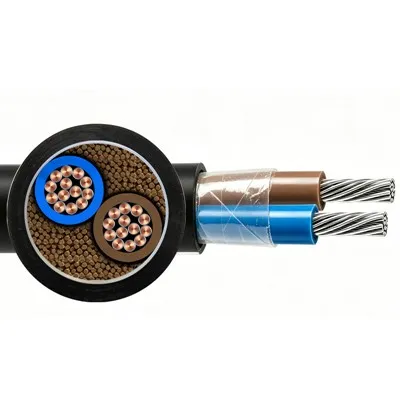
As a professional electric wire supplier, we take pride in providing high – quality products. Our electric wires are made from carefully selected high – purity copper or aluminum conductors. We use premium insulation materials that are tested for their thermal, electrical, and mechanical properties to ensure long – term performance.
We understand that different applications have different requirements. That’s why we offer a wide range of electric wires suitable for residential, commercial, and industrial applications. Whether you need low – voltage wires for home lighting or high – voltage cables for power transmission, we have the right solution for you.
Our team of experts can also provide guidance on wire selection, installation, and maintenance. We want to ensure that you get the most out of our electric wires and that they serve you safely and reliably for many years.
Cable Assemblies & Accessories If you are interested in our electric wire products for your next project, or if you have any questions about electric wire lifespan or selection, we would love to hear from you. Contact us to start a discussion about your procurement needs. We’ll work with you to find the best solutions that meet your budget and requirements.
References
- "Electrical Wiring Handbook" by Terrell Croft. This comprehensive guide provides in – depth knowledge on electrical wiring, including material properties, installation techniques, and maintenance.
- National Electrical Code (NEC). The NEC sets the standards for safe electrical installations in the United States, which includes information relevant to wire lifespan and selection based on different applications.
- Industry reports from major electrical component manufacturers. These reports often contain research on the long – term performance of electric wires under various conditions.
Yangzhou Huayu Cable Co., Ltd.
Yangzhou Huayu Cable Co., Ltd. is one of the most professional electric wire manufacturers and suppliers in China, also supports customized service with low price. Please feel free to wholesale advanced electric wire made in China here from our factory. Contact us for pricelist.
Address: No. 9 Jingang Road, Yangzhou City, Jiangsu Province, China
E-mail: huayucableco@126.com
WebSite: https://www.huayucabletech.com/
