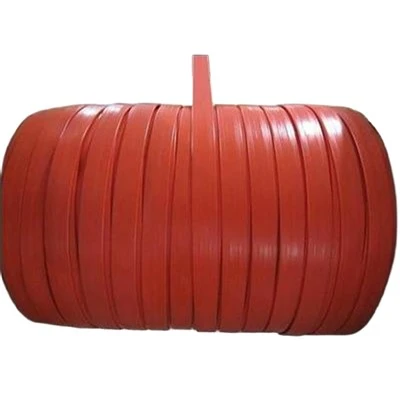
In the dynamic world of elevator technology, flat cables play a pivotal role, serving as the lifeline for power transmission, signal communication, and control systems within elevators. As a dedicated flat cables supplier, I am acutely aware of the critical importance of adhering to stringent safety requirements in elevator applications. This article delves into the multifaceted safety requirements for flat cables in elevator systems, offering insights into the standards, design considerations, and testing procedures that ensure reliable and safe operation. Flat Cables
Regulatory Standards and Compliance
The safety of elevator systems is governed by a comprehensive set of international, national, and industry – specific standards. These standards are designed to protect passengers, maintenance personnel, and the general public from potential hazards associated with elevator operation. For flat cables used in elevators, compliance with these standards is non – negotiable.
One of the most widely recognized international standards is the ISO 4309, which provides guidelines for the safety requirements of elevator ropes and cables. This standard covers aspects such as mechanical properties, electrical insulation, and fire resistance. In addition, regional standards like the European EN 81 series and the American ASME A17.1 also have specific requirements for elevator cables.
For example, the EN 81 series mandates that elevator cables must be resistant to abrasion, corrosion, and aging. This is crucial because elevators operate in a demanding environment where cables are constantly subjected to friction, moisture, and temperature variations. By complying with these standards, we as a flat cables supplier can ensure that our products meet the highest safety benchmarks.
Design Considerations for Safety
Mechanical Design
The mechanical design of flat cables for elevator applications is of utmost importance. Elevator cables are exposed to continuous movement, including bending, twisting, and tension. Therefore, the cables must be designed to withstand these mechanical stresses without failure.
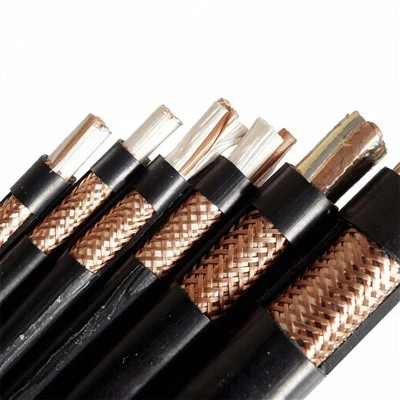
We use high – quality materials with excellent tensile strength and flexibility in our flat cable production. For instance, the conductors are typically made of copper, which offers low resistance and high conductivity. The insulation and sheathing materials are carefully selected to provide mechanical protection and prevent damage from external factors.
The geometric design of the flat cable also plays a significant role in its mechanical performance. A well – designed flat cable has a uniform cross – section, which helps to distribute the mechanical stress evenly. This reduces the risk of stress concentration, which can lead to cable breakage over time.
Electrical Design
In elevator applications, electrical safety is paramount. Flat cables are responsible for transmitting power and signals accurately and reliably. Any electrical malfunction can lead to serious safety issues, such as elevator malfunctions or even accidents.
To ensure electrical safety, our flat cables are designed with proper insulation. The insulation material must have high dielectric strength to prevent electrical leakage and short – circuits. We conduct extensive electrical testing during the manufacturing process to verify the insulation resistance and dielectric strength of the cables.
In addition, the cable design also takes into account electromagnetic interference (EMI). Elevators are equipped with various electronic components, and EMI can disrupt the normal operation of these components. Our flat cables are designed with shielding layers to minimize EMI and ensure the stable operation of the elevator’s electrical systems.
Fire Safety Requirements
Fire safety is a critical aspect of elevator cable design. In the event of a fire, elevator cables must not contribute to the spread of fire or release toxic gases. Therefore, fire – resistant materials are used in the production of our flat cables.
The cables are required to meet specific fire – performance standards, such as the UL 94 flammability rating. This rating classifies the materials based on their flammability characteristics, with V – 0 being the highest level of fire resistance. Our flat cables are designed to achieve a high fire – resistance rating to ensure that they can withstand fire for a certain period, providing valuable time for passengers to evacuate and for firefighters to respond.
Environmental Considerations
Elevators can operate in a wide range of environmental conditions, from high – humidity basements to hot and dry machine rooms. Flat cables must be able to withstand these environmental challenges without compromising their safety and performance.
For example, in a high – humidity environment, the cables must be resistant to moisture penetration. This is achieved through the use of moisture – resistant insulation and sheathing materials. In addition, the cables must also be resistant to UV radiation, especially if they are installed in areas exposed to sunlight.
We also consider the impact of temperature variations on cable performance. Elevator cables must be able to maintain their mechanical and electrical properties over a wide temperature range. This requires the use of materials with appropriate thermal stability.
Testing and Quality Assurance
To ensure that our flat cables meet all the safety requirements, we implement a rigorous testing and quality assurance program. This program includes both in – house testing and third – party certification.
In – house testing involves a series of mechanical, electrical, and environmental tests. For mechanical testing, we perform tensile tests, bending tests, and torsion tests to evaluate the cable’s ability to withstand mechanical stresses. Electrical testing includes insulation resistance testing, dielectric strength testing, and conductivity testing. Environmental testing is conducted to simulate different operating conditions, such as high – temperature, high – humidity, and salt – spray environments.
In addition to in – house testing, we also seek third – party certification from recognized testing organizations. These certifications provide an independent verification of the cable’s compliance with international and national standards, giving our customers confidence in the safety and quality of our products.
Conclusion
As a flat cables supplier, we understand that the safety requirements for flat cables in elevator applications are complex and multifaceted. From regulatory compliance to design considerations, fire safety, environmental protection, and testing, every aspect must be carefully addressed to ensure the reliable and safe operation of elevator systems.
Our commitment to safety is reflected in every step of our production process, from the selection of high – quality materials to the implementation of strict quality control measures. We continuously invest in research and development to improve our products and meet the evolving safety requirements of the elevator industry.
Compensating Cables If you are in the market for reliable and safe flat cables for elevator applications, we invite you to contact us for procurement discussions. Our team of experts is ready to provide you with detailed product information and technical support to help you make the best choice for your elevator projects.
References
- ISO 4309: Safety requirements for ropes and cables in elevators.
- EN 81 series: European standards for elevator safety.
- ASME A17.1: American Society of Mechanical Engineers’ standard for elevator safety.
- UL 94: Standard for flammability of plastic materials for parts in devices and appliances.
Anhui Yuantong Cable Co., Ltd.
As one of the most professional flat cables manufacturers and suppliers in China, we offer a wide range of cables with superior quality. Please feel free to wholesale bulk customized flat cables from our factory. Also, pricelist is available.
Address: Yongfeng Industrial Park, Tianchang City, Anhui Province
E-mail: ahytcable@126.com
WebSite: https://www.yuantongcable.net/
