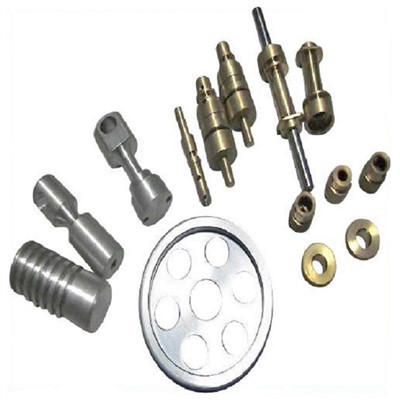
When it comes to the industrial and manufacturing sectors, the performance and longevity of machinery are of utmost importance. As a respected supplier of machinery parts, I understand the critical role that maintenance intervals play in ensuring the smooth operation of various equipment. In this blog, I will delve into the maintenance intervals for different machinery parts, providing valuable insights for businesses and individuals seeking to optimize their machinery’s performance. Machinery Parts

Understanding Maintenance Intervals
Maintenance intervals refer to the recommended time periods or usage thresholds at which specific maintenance tasks should be performed on machinery parts. These intervals are determined based on a variety of factors, including the type of machinery, the operating conditions, the manufacturer’s recommendations, and the expected lifespan of the parts. Adhering to the appropriate maintenance intervals is essential for preventing breakdowns, reducing downtime, and extending the overall lifespan of the machinery.
Maintenance Intervals for Common Machinery Parts
Bearings
Bearings are crucial components in many types of machinery, as they support rotating shafts and reduce friction. The maintenance intervals for bearings depend on several factors, such as the type of bearing, the load it carries, and the operating speed. In general, ball bearings used in light to medium-duty applications may require lubrication every 1,000 to 3,000 hours of operation, while those in heavy-duty applications may need lubrication every 500 to 1,000 hours. Additionally, bearings should be visually inspected periodically for signs of wear, such as pitting, cracking, or discoloration. If any of these signs are detected, the bearings should be replaced immediately.
Belts and Chains
Belts and chains are used to transmit power between different components of a machine. The maintenance intervals for belts and chains depend on their type, the tension, and the operating environment. For example, V-belts typically need to be inspected every 3,000 to 6,000 hours of operation and replaced every 10,000 to 20,000 hours. Timing belts, on the other hand, may need to be replaced every 60,000 to 100,000 miles in automotive applications. Chains also require regular inspection and lubrication to prevent wear and elongation. They should be checked for proper tension and alignment every 1,000 to 3,000 hours of operation and replaced when they reach a certain level of wear.
Filters
Filters are essential for removing contaminants from fluids and air in machinery. The maintenance intervals for filters depend on the type of filter, the operating conditions, and the quality of the fluid or air being filtered. For example, oil filters in engines typically need to be replaced every 3,000 to 5,000 miles or every three to six months, depending on the manufacturer’s recommendations. Air filters in HVAC systems may need to be replaced every one to three months, depending on the level of dust and debris in the environment. Fuel filters also require regular replacement to ensure proper fuel delivery and prevent engine damage.
Seals and Gaskets
Seals and gaskets are used to prevent leaks in machinery. The maintenance intervals for seals and gaskets depend on the type of seal, the operating temperature and pressure, and the type of fluid being sealed. In general, seals and gaskets should be inspected periodically for signs of wear, such as cracking, hardening, or leakage. If any of these signs are detected, the seals and gaskets should be replaced immediately. Additionally, seals and gaskets should be replaced whenever a component is disassembled and reassembled to ensure a proper seal.
Motors and Electrical Components
Motors and electrical components are the heart of many types of machinery. The maintenance intervals for motors and electrical components depend on the type of motor, the operating conditions, and the manufacturer’s recommendations. In general, motors should be inspected periodically for signs of overheating, vibration, or abnormal noise. The electrical connections should also be checked for tightness and corrosion. Additionally, motors may need to be lubricated periodically, depending on the type of motor and the manufacturer’s recommendations. Electrical components, such as switches, relays, and circuit breakers, should also be inspected regularly for signs of wear or damage.
Factors Affecting Maintenance Intervals
Operating Conditions
The operating conditions of machinery have a significant impact on the maintenance intervals of its parts. For example, machinery that operates in harsh environments, such as high temperatures, high humidity, or dusty conditions, may require more frequent maintenance than machinery that operates in normal conditions. Similarly, machinery that is subjected to heavy loads, high speeds, or frequent starts and stops may also require more frequent maintenance.
Manufacturer’s Recommendations
The manufacturer’s recommendations are an important source of information for determining the maintenance intervals of machinery parts. Manufacturers typically provide detailed maintenance schedules and guidelines in the equipment’s user manual. These recommendations are based on extensive testing and research and are designed to ensure the optimal performance and longevity of the machinery. It is important to follow the manufacturer’s recommendations closely to avoid voiding the warranty and to ensure the safe and reliable operation of the equipment.
Usage Patterns
The usage patterns of machinery also affect the maintenance intervals of its parts. For example, machinery that is used continuously for long periods of time may require more frequent maintenance than machinery that is used intermittently. Similarly, machinery that is used for heavy-duty applications may require more frequent maintenance than machinery that is used for light-duty applications. It is important to consider the usage patterns of the machinery when determining the maintenance intervals of its parts.
Importance of Adhering to Maintenance Intervals
Preventing Breakdowns
Adhering to the appropriate maintenance intervals is essential for preventing breakdowns and reducing downtime. By performing regular maintenance tasks, such as lubrication, inspection, and replacement of worn parts, you can identify and address potential problems before they become major issues. This can help to prevent unexpected breakdowns and keep your machinery running smoothly.
Extending the Lifespan of Machinery
Regular maintenance can also help to extend the overall lifespan of your machinery. By keeping the parts in good condition and replacing them when necessary, you can reduce the wear and tear on the equipment and prevent premature failure. This can help to save you money in the long run by reducing the need for frequent replacements and repairs.
Ensuring Safety
Proper maintenance is also important for ensuring the safety of your employees and the public. Faulty machinery can pose a significant risk of injury or damage, especially if it is used in hazardous environments. By performing regular maintenance tasks, you can identify and address potential safety hazards and ensure that your machinery is operating safely and reliably.
Conclusion
Stamping Parts In conclusion, understanding the maintenance intervals for different machinery parts is essential for ensuring the optimal performance and longevity of your equipment. By adhering to the appropriate maintenance intervals, you can prevent breakdowns, reduce downtime, extend the lifespan of your machinery, and ensure the safety of your employees and the public. As a Machinery Parts supplier, I am committed to providing high-quality parts and expert advice to help you keep your machinery running smoothly. If you have any questions or need assistance with your machinery maintenance, please do not hesitate to contact me. I look forward to working with you to optimize the performance of your equipment.
References
- Machinery’s Handbook: A reference book for mechanical engineers, machinists, and manufacturing professionals.
- Manufacturer’s Equipment Manuals: Provide detailed information on the maintenance requirements and intervals for specific machinery.
- Industry Standards and Guidelines: Such as those published by the American National Standards Institute (ANSI) and the International Organization for Standardization (ISO).
Hangzhou Zhalihui Import And Export Co., Ltd.
We are one of the most experienced machinery parts manufacturers and suppliers in China, specialized in providing high quality customized products. Please feel free to buy discount machinery parts in stock here from our factory. Contact us for quotation.
Address: Room 2801, Building 2, Taifu Plaza, No.17, Tonghui Middle Road, Chengxiang Street, Xiaoshan, Hangzhou, Zhejiang
E-mail: Chars_1979@hotmail.com
WebSite: https://www.zhalihui.com/
