If you’ve ever walked past a brick factory, a ceramic tile plant, or even a facility that makes refractory materials, you’ve probably seen a tunnel kiln at work—though you might not have realized it. Back in the day, these kilns were big, clunky, energy hogs that needed constant babysitting, but the ones we build now? Total game-changers. Let’s break down what makes a modern tunnel kiln stand out, especially for anyone looking to upgrade their production setup. Tunnel Kiln
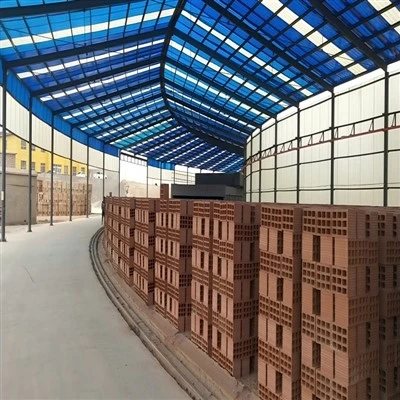
First off, energy efficiency is non-negotiable these days—and modern tunnel kilns crush the old models here. Let’s be real: energy costs make up a huge chunk of your operating budget, so wasting fuel is just throwing money out the door. Old kilns would lose tons of heat through gaps in the walls, bad insulation, and because they’d cycle heating wildly—cold one minute, scorching the next. Today’s units use high-density ceramic fiber insulation, not that thick, heavy brick stuff that doesn’t hold heat well. That stuff keeps the inside temp consistent, so you’re not constantly re-heating every time a car enters or exits. Also, we’ve got waste heat recovery systems built right in. The exhaust that used to just blow outside? We route that pre-heat the incoming air and even the raw materials on the kiln cars before they hit the main heating zone. Some tests show these setups cut energy use by 30-40% compared to traditional kilns. For a plant running 24/7, that’s a massive difference in monthly bills.
Next, precision temperature control is way tighter now. Back in the day, kiln operators had to guess a lot—check a thermocouple once every hour, adjust burners manually, cross your fingers the entire load came out even. If one spot was too hot, your bricks would warp; too cold, and they’d crack after firing. Modern kilns use a network of tiny, accurate sensors all along the kiln length—we’re talking dozens of them, not just two or three. These feed real-time data to a user-friendly control panel (think: a big tablet or desktop interface, not a clunky old analog screen) that adjusts burners, fans, and dampers automatically. No more second-guessing. You can set exact temp profiles for different parts of the kiln: the pre-heat zone slowly ramps up temp, the firing zone holds it dead steady, the cooling zone brings parts down slow so they don’t thermal shock. This means less waste from defective products—another big win for your bottom line. We’ve had clients go from 85% product yield with old kilns to 96% with ours, and that’s straight from their maintenance teams.
Then there’s the automation factor, which takes a lot of the grunt work out of running a kiln. Traditional kilns required a crew to manually push kiln cars in, pull them out, load and unload parts, monitor the whole shift—big operations needed like 5-6 people just for the kiln. Modern tunnel kilns have automated car handling: electric or hydraulic pushers that move cars at a set, consistent pace, no more relying on a worker to time that perfectly. Some even have robotic loading and unloading arms, especially for small or delicate parts like ceramic tableware. Wait, and you can schedule the whole process remotely now. If you need to adjust production runs at 2 a.m., you don’t have to drive to the plant—just tap the control app on your phone, tweak the speed a little, and you’re good. This doesn’t just save labor; it reduces human error, which is a huge cause of product defects.
Durability and low maintenance are another big one. Old kilns would have parts wearing out every couple of years—seals would crack, burners would clog, insulation would break down from constant temp changes. Modern components are built to last. The kiln’s shell is made of heavy-gauge steel, coated to resist corrosion, and the insulation holds up way better because of those consistent temp cycles (no more sudden hot/cold spikes that damage materials). We use premix burners that are less prone to clogging, and easy-to-replace sensor modules, so if something does go wrong, you don’t have to shut down the whole plant for a week to fix it. A lot of our clients report our kilns run 5+ years between major overhauls, compared to 2-3 for traditional models. That means less downtime, which is critical—if your kiln’s down, your whole production line stops.
Flexibility is something a lot of folks don’t talk about, but it’s a huge deal. Back in the day, a kiln was built for one specific product: if you made bricks, you couldn’t easily switch to tiles. Modern tunnel kilns are modular, so you can adjust the length of the heating zones, the spacing between cars, even the temp profiles for different runs. If your business is small or you sometimes make custom parts, you don’t need to buy an entirely new kiln every time you change your product line. We’ve had a client who makes both refractory bricks and small ceramic insulators for electronics—they just swapped the car spacing and adjusted the control settings, no major modifications needed. That versatility makes the kiln work harder for you, not the other way around.
Wait, let’s also talk about environmental impact, because that’s not just a nice-to-have anymore. More and more facilities have to meet emissions regulations, and old kilns often fall short. Modern kilns have low-NOx burners that cut down on harmful nitrogen oxide emissions, which are a big pollutant. The waste heat recovery we mentioned earlier also reduces emissions because you’re burning less fuel. Some models even have optional scrubbers or catalytic converters to clean exhaust further, so you don’t have to worry about fines or pushback from local environmental agencies. For smaller operations, we can also set the kiln up to run on natural gas, propane, or even electricity, depending on what’s available in your area. That adaptability is key for different regions and budgets.
Now, let’s be real—no kiln is perfect, and the right one for you depends on your specific needs. A small brick plant might not need a 100-meter industrial-sized unit, while a big ceramic factory would outgrow a compact model. That’s why we don’t do one-size-fits-all builds. Our team works with you to figure out your production volume, the types of products you make, your budget, and your local energy costs to design a kiln that fits exactly. We also offer post-install support—on-site training for your operators, regular maintenance checks, and fast replacement parts when you need them.
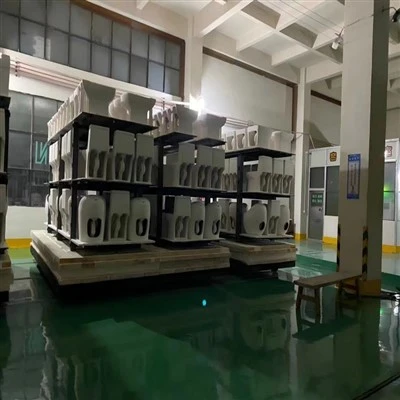
If you’re tired of dealing with high energy bills, frequent product defects, and constant kiln downtime, it might be time to upgrade to a modern tunnel kiln. Whether you’re a small operation looking to scale or a large facility needing to streamline, we can help you find the right fit. We’ve worked with plants all over, from brick yards in rural areas to ceramic factories in urban industrial zones, and we know what works for different setups. Feel free to reach out if you want to chat through your needs, ask questions, or get a quote—we’re here to help make your production smoother and more profitable.
Mobile Energy Saving Rotary Kiln References
- American Ceramic Society. (2022). Tunnel Kiln Design and Energy Efficiency in Industrial Ceramic Production.
- Industrial Energy Technology Center. (2021). Comparative Analysis of Modern vs. Traditional Tunnel Kiln Performance.
- Journal of Manufacturing Processes. (2023). Automation and Precision Control in Advanced Firing Systems.
- International Energy Agency. (2022). Reducing Energy Use in Brick and Clay Processing Facilities.
- Refractory Manufacturers Association. (2021). Durability and Maintenance of Modern Kiln Insulation Materials.
Henan Yaxin Kiln Co., Ltd.
Henan Yaxin Kiln Co., Ltd. is one of the most professional tunnel kiln manufacturers and suppliers in China. With abundant experience, we warmly welcome you to buy high quality tunnel kiln with the latest design from our factory. Good service and punctual delivery are available.
Address: Jixian Industrial Zone, Shangqiu City, Henan Province
E-mail: 1543563178@qq.com
WebSite: https://www.hnyxkiln.com/
