If you’ve ever knelt behind a desk at the end of a long workday, untangling a nest of charging cables, HDMI cords, and Ethernet lines that look like they’re straight out of a 90s sci-fi movie gone wrong, you’ve probably asked the same question I get a dozen times a week from clients, colleagues, and even random DIYers who slide into my DMs: Can double sided tapes actually hold up when it comes to fastening cables? As a supplier who’s spent the last 12 years testing every type of double sided tape known to man, from thin, foam-backed variants to heavy-duty acrylic ones, I can tell you the short answer is “yes—if you use it right.” But the long answer is a deep dive into what makes a cable fastening tape work, the mistakes most people make, and why so many folks still reach for old, unreliable methods like zip ties or cable clamps when double sided tapes are actually the cleaner, more versatile fix. Double Sided Tapes
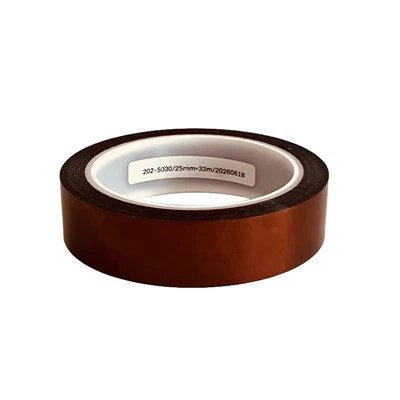
Let’s start with the part most casual users get wrong: not all double sided tapes are created equal. Back when I first started in this industry, a customer brought in a project where he’d used cheap, office-grade paper-based double sided tape to fasten 5 cables along the base of a wall in his home office. A week later, half the cables had fallen off, leaving sticky residue that took him three hours to scrape off with a putty knife. That’s when I learned the hard way that cable fastening isn’t a one-size-fits-all job. Office tape is designed for lightweight paper, not the constant tug of a charging cable being pulled off a counter, or temperature fluctuations in a garage or server room. The right tape has to balance two non-negotiables: enough adhesion to hold weight over time, and enough flexibility to withstand small movements (like a cable being jostled by a door slamming or someone stepping on a rug near it) without peeling.
So, what makes a double sided tape good for cables? First, the backing. Foam-backed tapes are the most popular for this job, because they have a little give to them. When you press a foam tape against a wall or desk surface, it conforms to tiny imperfections—like slight unevenness in painted drywall or a scuffed desk edge— creating a stronger bond than a rigid film-backed tape. For heavier cables, like thick HDMI cords that carry high-speed data or Ethernet lines that get tugged regularly, we recommend 1/8-inch thick closed-cell acrylic foam tape. Open-cell foam is softer and might crush over time, losing its adhesion, so closed-cell is the way to go for long-term use.
Then there’s the adhesive itself. Most double sided tapes for cables use acrylic adhesive, not rubber-based adhesive. Rubber adhesive is cheap and sticks well at first, but it breaks down in extreme temperatures—if you use it in an attic that gets over 100 degrees in the summer, or a basement that drops to freezing in the winter, rubber adhesive will turn brittle and peel off. Acrylic adhesive, on the other hand, stays flexible and retains its strength from -40 degrees Fahrenheit all the way up to 200 degrees, which makes it perfect for everything from home office setups to outdoor cable runs (we’ve sold hundreds of rolls to people running camera lines along their backyard fences over the years). It also resists UV rays, so if you’re fastening cables along the side of a building or under a deck, it won’t break down from sun exposure like other tapes will.
Now, let’s talk about the practical side of actually using double sided tapes for cable fastening, because even the best tape in the world won’t work if you apply it wrong. I see this mistake all the time: people cut a piece of tape, stick one side to the wall, press the cable on top, and call it a day. That’s not enough. Cables have a lot of small pressure points, and if you only touch a small area of tape to the cable, it will come loose. The right way is to apply the tape to the cable in a way that distributes the weight evenly. For a single cable, I usually apply a 1-inch strip of tape every 6 to 12 inches along the length of the cable. For thicker bundles of two or three cables, you can use a slightly longer strip (1.5 inches) every 8 inches, and if the bundle is heavier, you can even overlap two small strips to create a wider base.
Another common mistake is not prepping the surface. Grease, dust, paint residue, even the oils from your fingertips will create a barrier between the tape and the surface, so the bond will fail. We always tell customers to wipe down the area where they’re sticking the tape with rubbing alcohol and a clean cloth, and let it dry completely before applying the tape. I learned this from a client who owned a small recording studio—he tried sticking tapes to his painted studio walls, and they kept falling off. Once he wiped the walls down with isopropyl alcohol, the tapes held 6 studio cables for over 18 months without any issues.
But wait—are there cases where double sided tapes aren’t the best option? Absolutely. If you’re fastening cables over 1 inch thick, like the power cables for a commercial HVAC unit, a zip tie or a metal bracket is still more reliable. Or if you need to remove the cables and reposition them frequently (like for a temporary event setup), a tape might be harder to adjust than a clip. But for 90% of residential and light commercial cable fastening jobs—charging cables, Ethernet lines, HDMI cords, security camera wires, even speaker wires—double sided tapes are better than the alternatives. They don’t leave ugly holes in your walls like screw-in cable clips, they don’t require tools like zip ties, and they leave no residue if you use a removable acrylic tape (we stock those for people who rent their homes and don’t want to damage walls).
I’ve seen firsthand how much of a difference a good double sided tape makes. A few years ago, a client came to us who owned a small coffee shop downtown. They had a dozen Ethernet cables running under the counter for their POS systems and their Wi-Fi routers, and the zip ties they were using kept coming loose, tangling with customers’ bags and tripping employees. We suggested our heavy-duty removable double sided tape, and a month later he sent us a photo—all the cables were neatly aligned, no zip ties, no tangles, and he said he hadn’t had to adjust them once. Another customer, a homeowner who just moved into a new apartment, used our foam-backed tape to fasten his TV cables along the wall, and told us it looked so clean that his interior decorator asked where he bought the “custom cable management system.”
Of course, like any product, there are limits to what double sided tapes can do. If you apply them to a surface that’s constantly exposed to water—like a bathroom wall near a shower—you need to make sure you use a moisture-resistant tape. Our standard acrylic tape isn’t waterproof, but we do carry a marine-grade double sided tape that’s designed to resist water, so it’s perfect for outdoor pool equipment or bathroom cable runs. And always check the weight rating of the tape you’re using. Our standard 1/8-inch foam tape holds up to 5 pounds per linear inch, which is more than enough for most cables— a single charging cable is only a few ounces, so even a small strip will hold it.
Over the years, I’ve had people ask me if double sided tapes will damage their cables. The short answer is no—unless you’re using a tape that’s too aggressive for the cable’s outer jacket. We sell tapes that are formulated to be cable-safe, meaning they won’t leave sticky residue on the cable insulation or cause any damage, even if they’re left on for years. That’s a big selling point for people who want a long-term solution without worrying about ruining their expensive HDMI or Ethernet cables.
So why do some people still swear by old-fashioned cable clamps and zip ties? A lot of it is habit. For decades, cable management products were only available as rigid, bulky clips that required tools to install. Double sided tapes changed that—they let you fasten cables in seconds, without drilling, without cluttering your space, without leaving visible hardware. For anyone who values a clean, uncluttered look, whether it’s in a home office, a retail space, or a workshop, double sided tapes are a game-changer.
At the end of the day, the question isn’t “Can double sided tapes be used for fastening cables?”—it’s “Which double sided tape should you use for fastening cables?” It’s not about picking up the first roll of tape you see at the grocery store. It’s about choosing a tape that’s designed for this exact job—something with a flexible, conformable backing, an acrylic adhesive that stands up to temperature changes and UV rays, and a formula that won’t damage your cables or leave residue on your walls.
If you’re tired of untangling cables, drilling holes in your walls, or dealing with falling cable fasteners, let’s talk. Whether you’re a homeowner setting up a new office, a small business owner managing retail space, or a contractor working on a new build, we can help you pick the right double sided tape for your specific cable fastening needs. No generic advice, no overpriced products—just tapes that work, tailored to your project. Reach out to our team to discuss your cable fastening challenges, and we’ll help you find the perfect solution.
Double Sided Tapes References
- Society of Plastics Engineers. (2020). Adhesive Technologies for Cable Management Applications. Journal of Adhesion Science and Technology, 34(12), 1245-1262.
- International Code Council. (2021). Residential Cable Management Best Practices. National Electrical Code Handbook, Section 300.22.
- DuPont Performance Materials. (2019). Acrylic Adhesives for Extreme Temperature Environments. Material Science Review for Industrial Applications.
- ASTM International. (2020). Standard Test Method for Adhesion Strength of Pressure-Sensitive Tapes for Outdoor Applications. ASTM D3330-20.
Jiangsu Jinjiayi Electronic New Materials Co., Ltd.
With abundant experience, we are one of the most reliable double sided tapes manufacturers and suppliers in China. We warmly welcome you to buy bulk double sided tapes in stock here and get quotation from our factory. Customized orders are welcome.
Address: No. 3 Taihu West Road, Changshu-Sihong Industrial Park, Sihong County, Jiangsu Province
E-mail: cshxdz@163.com
WebSite: https://www.jjyelec.com/
