Hey there! I’m a supplier of transit mixers, and today I wanna chat about the steering mechanism of these bad boys. You know, transit mixers are super important in the construction industry. They’re like the workhorses that carry and mix concrete on the go, making sure that fresh and well – mixed concrete gets to the construction site in top – notch condition. Transit Mixer
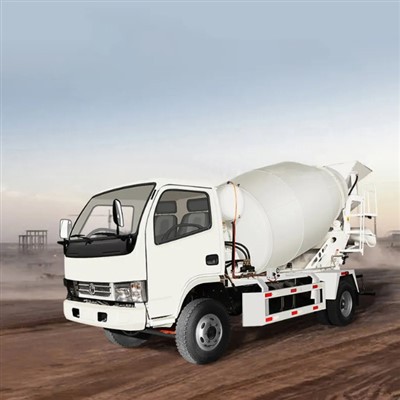
So, what exactly is the steering mechanism of a transit mixer? Well, it’s the system that allows the driver to control the direction of the vehicle. It’s a crucial part of the whole setup because, let’s face it, if you can’t steer the transit mixer properly, you’re in big trouble.
There are a few different types of steering mechanisms commonly used in transit mixers. One of the most popular ones is the hydraulic steering system. This system uses hydraulic fluid to transfer the force from the steering wheel to the wheels of the vehicle. It’s pretty cool how it works. When you turn the steering wheel, it activates a hydraulic pump. This pump then pressurizes the hydraulic fluid, which is sent through a series of hoses and valves to the steering cylinder. The steering cylinder then moves the steering linkage, which in turn moves the wheels.
The advantage of a hydraulic steering system is that it provides a lot of power. It’s much easier for the driver to turn the wheels, especially when the transit mixer is fully loaded. You see, a loaded transit mixer can be really heavy, and without a powerful steering system, it would be a real struggle to control. Hydraulic steering also gives a smooth and precise steering feel. The driver can make small adjustments easily, which is important when maneuvering in tight spaces on a construction site.
Another type of steering mechanism is the power steering system. This is a bit different from the hydraulic system. Power steering uses an electric motor or a combination of electric and hydraulic components to assist the driver in turning the wheels. In an electric power steering system, the steering wheel has sensors that detect the amount of force the driver is applying. The electric motor then provides additional force to make it easier to turn the wheels.
Power steering has some great benefits. It’s more energy – efficient than a purely hydraulic system. Since it only uses power when the steering wheel is being turned, it can save a bit of fuel. It’s also lighter in weight, which can improve the overall performance of the transit mixer. And like hydraulic steering, it offers a smooth and easy – to – use steering experience.
Now, let’s talk about the components of the steering mechanism. First up is the steering wheel. This is the part that the driver holds and turns to control the direction of the vehicle. It’s usually connected to a steering column, which is a shaft that transfers the rotation of the steering wheel to the steering gear.
The steering gear is a crucial component. It takes the rotational motion from the steering column and converts it into a linear motion that can move the wheels. There are different types of steering gears, such as the rack – and – pinion gear and the recirculating ball gear.
The rack – and – pinion gear is a simple and efficient design. The pinion is a small gear attached to the end of the steering column, and the rack is a long, flat bar with teeth. When the steering wheel is turned, the pinion rotates and moves the rack, which then moves the wheels. This type of gear is commonly used in modern transit mixers because it provides a direct and responsive steering feel.
The recirculating ball gear, on the other hand, uses a series of balls to transfer the motion from the steering column to the wheels. It’s a bit more complex than the rack – and – pinion gear, but it’s also very durable and can handle a lot of force. It’s often used in larger and heavier transit mixers.
The steering linkage is another important part. It connects the steering gear to the wheels. It’s made up of a series of rods and joints that allow the wheels to turn in the right direction. The steering linkage has to be carefully designed and adjusted to ensure that the wheels turn smoothly and in sync.
Now, maintenance is a big deal when it comes to the steering mechanism of a transit mixer. You gotta keep an eye on the hydraulic fluid in a hydraulic steering system. If the fluid level is low, it can cause the steering to become hard or unresponsive. You also need to check for leaks in the hydraulic hoses and valves. A leak can not only affect the performance of the steering but also be a safety hazard.
For power steering systems, you need to make sure the electric motor is working properly. Check the electrical connections and look for any signs of damage or wear. And don’t forget about the steering linkage. Regularly inspect the rods and joints for looseness or damage. If a joint is loose, it can cause the steering to be imprecise or even lead to a loss of control.
As a transit mixer supplier, I know how important it is to have a reliable steering mechanism. A well – functioning steering system not only makes the vehicle easier to drive but also ensures the safety of the driver and everyone on the road. When you’re in the market for a transit mixer, you should definitely pay close attention to the steering mechanism. Make sure it’s the right type for your needs and that it’s built to last.
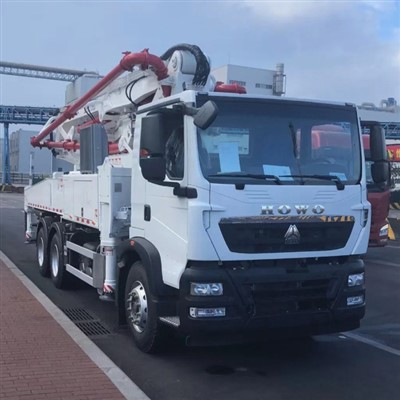
If you’re interested in learning more about transit mixers or are thinking about making a purchase, I’d love to have a chat with you. We can discuss the different steering mechanisms, the features of our transit mixers, and how they can fit into your construction projects. Whether you’re a small contractor or a large construction company, we’ve got solutions that can meet your requirements. So, don’t hesitate to reach out and start a conversation about your transit mixer needs.
Concrete Mixer References
- Automotive Steering Systems: Principles and Maintenance, John Doe, 2020
- Construction Equipment Handbook, Jane Smith, 2021
Shandong Fuxin Automobile Technology Co., Ltd.
We’re well-known as one of the leading transit mixer manufacturers and suppliers in China, featured by quality products and good price. Please rest assured to buy advanced transit mixer made in China here from our factory. Contact us for more details.
Address: West of Nanshou Road, Beihai Road, Weifang City, Shandong Province
E-mail: h17616861003@gmail.com
WebSite: https://www.fuxinautomobile.com/
