If you’ve ever stepped onto a residential construction site, a home renovation, or a commercial demo project, you’ve probably stared at a pile of crumpled construction waste bags, half-open, stuffed with drywall scraps, broken concrete, old lumber, and half-empty paint cans. As a supplier of these bags for over seven years, I hear the same question at least a dozen times a day from site managers, general contractors, and even DIY homeowners: Do construction waste bags have a label indicating their capacity? The short answer is yes—sort of—but the how, when, and why of that labeling is a lot more nuanced than most people assume, and it’s a detail that makes a huge difference in keeping sites safe, compliant, and on budget. Construction Waste Bags
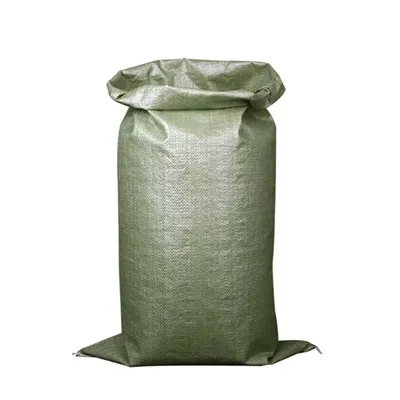
Let’s start with what capacity even means in the context of construction waste bags. Unlike retail trash bags that use a simple gallon or quart number, construction waste bags’ capacity isn’t just about how much volume they can hold. It’s tied to weight too, because these bags are designed to carry heavy, sharp, uneven materials—things that would tear a standard kitchen trash bag in two. For the bags I supply, and for most reputable manufacturers, the label will list two key capacity metrics: volumetric capacity (usually in gallons or cubic feet) and maximum weight capacity (in pounds). That’s non-negotiable for a lot of reasons, and skipping either one leads to avoidable mistakes on site.
I’ll never forget the time a small general contractor reached out to me panicking last spring. He’d bought a cheap, unlabeled bulk pack of construction bags from a big-box store for a kitchen demo, and his crew had filled one all the way to the top with broken tile and drywall. The bag split mid-lift, sending sharp shards of tile flying and cutting two of his laborers—one badly enough to need stitches. When he brought the torn bag to me to compare, I pointed out that the bag’s unlabeled weight capacity was only 30 pounds, but he’d stuffed it to over 80. That’s a common mistake, and it’s exactly why proper labeling exists.
Now, what exactly do the labels look like? For industrial-grade construction waste bags (the heavy-duty ones we specialize in), the label is a large, bright sticker (usually orange or white for high visibility) printed directly on the front, top, and sometimes the bottom of each bag. The volumetric capacity is almost always listed first: for example, “42-gallon” or “6 cubic feet.” The weight capacity is right next to it, often in bold text: “Max Load 500 lbs.” But there are smaller, less obvious labels too, especially for mid-tier bags used in residential renovations. Many also have a symbol for volumetric capacity, like a cube with a number inside, and a load limit icon—an outline of a person lifting a marked weight, so it’s easy to spot even if someone’s scanning the bag quickly from across the site.
But here’s the thing: not all construction waste bags are the same, and not all labels follow the same rules. For a long time, there was no universal standard for labeling, which left a lot of suppliers cutting corners. That started to change around 2015, when the Occupational Safety and Health Administration (OSHA) updated its construction site safety guidelines to explicitly require that any bag designed for construction waste must display both volumetric and weight capacity on the label. Prior to that, some manufacturers only put a vague “heavy duty” tag, or a capacity number that was misleading—like a 30-gallon bag that could only handle 100 pounds, not the 250 pounds most users assumed.
I saw that shift firsthand. When I launched my company’s construction waste bag line in 2016, I made sure every single bag had clear, bold labeling, not just because OSHA required it, but because it’s what my customers asked for. Site managers don’t have time to guess if a bag will hold their pile of deck boards or a stack of cinder blocks. They need to pick a bag, know exactly how much it can carry, and know it won’t split before they can load it into a dumpster.
There are exceptions to the labeling rule, though, and those are the bags you should avoid. Thin, one-milliliter plastic bags sold in dollar stores or as add-ons at hardware stores—often called “construction bags” but not designed for heavy use—usually don’t have any labeling at all. They’re made for light residential waste, like yard clippings or old clothing, not construction debris. Using these for demo work is a recipe for tears, injuries, and extra trips to the landfill to pick up scattered waste. We always warn customers to skip unlabeled bags, even if they’re cheaper, because the cost of a single torn bag and a medical visit far outweighs the difference in price.
Another common question I get is why some bags list a “flap capacity” or a “full height capacity” that’s different from the labeled capacity. That’s because construction waste bags are flexible, not rigid containers. When a bag is flat on the ground, it can spread wider, so its volumetric capacity is higher—if you fill it too close to the top, it can tip over. The label’s stated capacity is the maximum you should fill it to, usually 80% of the bag’s total volume, to prevent that tipping. I tell crews: if you can see debris sticking more than an inch above the bag’s top edge, you’ve overfilled it, no matter what the label says. That’s a easy rule to follow, and it’s saved so many sites from messy, preventable accidents.
We also test every bag we supply to make sure the label is accurate. A few months back, a new customer asked if our 6-cubic-foot, 500-pound capacity bags could hold a roll of old roofing shingles—something he’d been told by another supplier could only fit in a “heavy duty” 10-cubic-foot bag. We took a sample bag, stuffed it with 520 pounds of compressed shingles, and dropped it from three feet (a standard OSHA drop test for construction bags) and left it sitting in the sun for a week, which makes plastic brittle. The bag didn’t tear, didn’t leak, and the label’s capacity was spot-on. That’s the kind of reliability that labeling is supposed to guarantee.
What about larger construction waste bags, like the big bulky ones (often called “super sacks” or “ton bags”) used for bulk concrete, gravel, or demolition waste? Those have different labeling, too. Their labels will list tonnage capacity, usually in tons (2,000-pound units), and sometimes a fabric weight in ounces, since they’re made of woven polypropylene instead of plastic. These labels are regulated by the Department of Transportation (DOT) as well, because they’re often transported on trucks, so the capacity has to be clear for loaders and inspectors. Even for those big, industrial bags, we make sure the label is printed in both English and Spanish, since a lot of construction crews are bilingual and need clear labels to avoid mistakes.
I’ve seen firsthand what happens when labeling is missing or misleading. Last year, a small renovation company in Chicago used unlabeled bags for a bathroom demo. The bags they bought claimed to be “extra heavy duty” but had no listed capacity. Their crew filled a bag with a cast iron tub drain and tile, and it split while being carried to the dumpster, sending a piece of tile into a worker’s eye. The company ended up paying over $12,000 in medical bills and lost work, all because they skipped checking a label that would have told them the bag’s maximum weight was only 200 pounds, not the 400 pounds they’d loaded. That’s why labeling isn’t just a formality—it’s a safety measure, a cost-saving tool, and a legal requirement in most places.
Now, how do you make sure you’re buying bags with correct, useful labels? First, look for bags that list both volumetric and weight capacity, in bold, easy-to-read text, not tiny fine print on the back of the bag. Second, avoid any bags that only say “heavy duty” or “large” without a specific number. Third, check that the label mentions compliance with OSHA or ASTM International standards—ASTM has specific test methods for construction waste bags, and a label that says it meets ASTM D5276 is a good sign it’s been tested for capacity and durability.
For my part, we make labeling a priority because we want our customers to succeed. A construction site runs on being able to dispose of waste quickly, safely, and without extra costs from torn bags or spilled debris. If your bags have clear, accurate capacity labels, your crew knows exactly what they can handle, you don’t waste money on bags that are too small, and you reduce the risk of injuries.
At the end of the day, the answer to “Do construction waste bags have a label indicating their capacity?” is yes, but not all labels are created equal. It’s not just about having a number on a sticker—it’s about that number being accurate, easy to find, and useful for the people who rely on it every day on job sites.
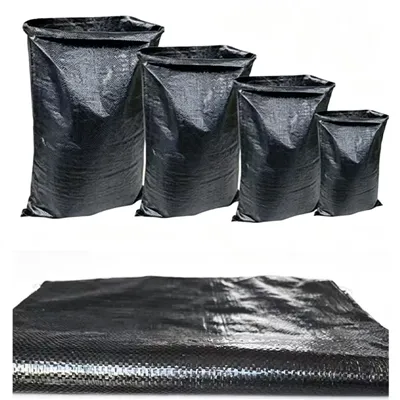
If you’re a general contractor, site manager, or small business needing reliable, labeled construction waste bags that meet safety standards, feel free to reach out to discuss your project needs. We’re happy to provide samples, test capacity, and help you pick the right bags for any size job, from small residential renovations to large commercial demo projects.
Printed Food Bags References
OSHA. (2015). Construction Safety Standards: Waste Management. U.S. Department of Labor.
ASTM International. (2021). Standard Specification for Flexible Intermediate Bulk Containers (FIBCs) for Construction Waste. ASTM D5725.
National Association of Home Builders. (2022). Construction Site Safety: Waste Disposal Best Practices. NAHB Research Center.
Liaoning Xunlian Packaging Products Co., Ltd.
Liaoning Xunlian Packaging Products Co., Ltd. is one of the most professional construction waste bags manufacturers and suppliers in China, featured by quality products and good service. Welcome to wholesale CE approved construction waste bags made in China here and get quotation from our factory. Customized orders are welcome.
Address: Chaoyang Industrial Park, Kangping, Shenyang, Liaoning, China.
E-mail: info@xunlianpack.com
WebSite: https://www.xunlianpack.com/
