If you’ve ever stood next to a fleet of karts at a busy track, the rumble of engines humming while kids and adults lean into turns, you’ve probably wondered: do you actually need a license to drive a go kart? As a go karting supplier, I get this question all the time—not just from customers booking track time, but from people looking to add karts to their own facilities, schools, or even private properties. The answer isn’t a simple yes or no; it depends on a mix of local regulations, the type of kart you’re driving, and where you’re driving it. Let’s break this down, because getting it wrong can lead to fines, safety risks, or even closed tracks. Go Karting
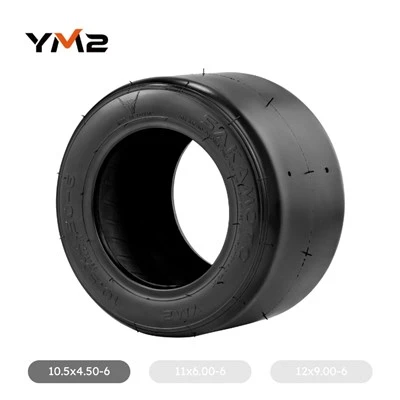
First, let’s clarify what a go kart actually is, because not all karts are created equal. There are two main categories: off-road karts and on-road karts (also called street-legal karts). Off-road karts are designed for dirt tracks, grass, or private property—they don’t meet federal road safety standards, which means they can’t be driven on public streets anywhere in most countries. On-road karts, on the other hand, have headlights, turn signals, mirrors, and license plates, and they’re built to meet specific vehicle safety rules. For those street-legal models, many regions do require a driver’s license. But for the off-road karts that most people experience at commercial tracks? That’s where the rules get fuzzy.
At our go karting facilities, we only use off-road karts for track sessions, and every renter fills out a waiver before they even step into a kart. But that doesn’t mean we don’t check for age or proof of ability. In the U.S., for example, the Consumer Product Safety Commission (CPSC) sets guidelines for recreational off-road go karts used at commercial tracks. Those guidelines don’t mandate a driver’s license, but they do require operators (that’s us, as the supplier) to ensure drivers are old enough to handle the kart. Most tracks set a minimum age of 8 to 12 for junior karts (smaller, slower models for kids) and 16 for adult karts, and some require a valid state-issued ID just to confirm age—no license needed, unless someone wants to drive their own street kart on a public road.
I’ve seen too many instances where people confuse track karts with street karts, and that leads to big problems. A couple years back, we had a group of teenagers show up at our outdoor track bragging that they had a driver’s license, so they wanted to test their own street kart on our track. We had to turn them away immediately because our insurance doesn’t cover street-legal karts on commercial off-road tracks. Even though they had licenses, the kart wasn’t approved for our facility, and the liability risks were too high. That’s a key point for anyone buying karts for commercial use: you have to check local laws not just for drivers, but for the karts themselves.
Now, let’s talk about private property vs. public land. If you own a farm, a large lot, or a private track, you can drive any off-road kart on your own land without a license—no questions asked. But if that private land borders a public road, you might need to follow road rules when moving the kart from your garage to your track. For example, in the UK, the Off-Highway Racing Act 2006 says off-road karts can only be driven on private land with the landowner’s permission, and you can’t cross a public road on a kart unless it’s being transported on a trailer. Even there, no license is required for private off-road use. But if you want to drive your street-legal kart to a friend’s house, you’ll need a full driver’s license and the kart must be registered and insured.
As a go karting supplier, we work with a lot of different clients: indoor track operators, outdoor recreational facilities, schools that use karts for STEM programs, and even people buying karts for their own private use. For each of these groups, we walk through the licensing rules specific to their location. A school in Ohio, for example, wanted to add a go kart program for high school students to teach them about mechanics and vehicle safety. We recommended junior karts with a top speed of 15 mph, and we told the school they don’t need a license requirement for the program—they just need to make sure students pass a safety test before driving. That’s way more important than a license for that kind of educational program.
I’ve also heard horror stories from other suppliers about clients who cut corners on licensing and got in trouble. Last year, a small track in Texas was fined $5,000 because a 10-year-old drove a kart on a public road to get to the track, and a police officer stopped him. The track owner thought kids could drive on the track without a license, but he didn’t account for the fact that the track was accessible from a public street, so the kid was crossing a public right-of-way. That’s a mistake we always warn our clients about: even if your track is mostly private, any access point to a public road means your karts (or drivers) have to follow road rules if they leave the property.
Another big factor is kart speed. Most commercial track karts have a top speed between 20 and 50 mph. The CPSC classifies recreational off-road vehicles by their speed, and for karts under 30 mph, there’s no federal license requirement for commercial use, but many states have their own rules. For karts over 50 mph, some states consider them motor vehicles, which means you need a driver’s license to operate them, even on private property. That’s why we offer different classes of karts: our junior fleet is capped at 25 mph, adult track karts at 45 mph, and high-performance karts at 60 mph. We always tell clients to check their local department of motor vehicles (DMV) rules before purchasing high-speed models, because that’s where licensing requirements kick in.
What about rental vs. owned karts? If you’re renting a kart at a track, you almost never need a license—tracks usually just check age and sometimes a ID to confirm you’re not a kid pretending to be 16. But if you’re buying a kart to use for private, non-commercial use, that’s when licensing matters. For example, if you live in California and want to drive a street-legal kart on your private property, you don’t need a license, but if you want to drive it to a local go kart club meetup, you need a valid driver’s license and the kart must be registered with the DMV. That’s a rule that confuses a lot of new kart owners, so we make sure to include a free local regulatory check with every kart purchase for private clients.
I’ve also noticed a trend lately: more people are using karts for urban recreational activities, like exploring closed streets on weekends. In those cases, if you’re driving a cart on a closed public road, some cities require a temporary license or a special permit, but it’s not the same as a regular driver’s license. For commercial urban events, we work with event organizers to get the necessary permits, and we always confirm that drivers are at least 18 years old, even if a license isn’t required. Safety is always our top priority, and age limits are a simpler, more consistent rule than checking for licenses in those temporary settings.
Let’s address a common myth: some people think go kart licenses are the same as driver’s licenses. That’s not true in most places. A go kart license (if one exists) is usually a separate permit for off-road use, but it’s rarely required for recreational track driving. The only time a regular driver’s license is required is when the kart is being operated on public roads, or when a specific local ordinance mandates it for commercial tracks in high-traffic areas. For example, in New York City, commercial go kart tracks that operate within 500 feet of a residential area must require drivers to have a valid driver’s license, even for off-road karts, as part of a city safety ordinance. That’s a specific case, and that’s why we encourage all our clients to check local zoning and safety laws before launching a track.
As a go karting supplier, our job isn’t just to ship karts—it’s to make sure our clients can operate their businesses legally and safely. We’ve had clients come to us wanting to add karts to their amusement parks, camps, and even birthday party venues, and we always walk through the licensing and regulatory steps first. For a small family-owned track in Florida, we helped them set up a system where they check driver age via ID, require a 10-minute safety briefing, and only use karts under 40 mph. They don’t require licenses, and they’ve been operating without issues for 7 years. For a commercial track in Chicago, we had to adjust their fleet to include lower-speed karts and implement a license check for adult drivers, per local rules, which allowed them to stay open.
If you’re considering buying go karts, whether for your own private use or a commercial venture, don’t guess at the licensing rules—verify them. Most local DMVs have a dedicated off-road vehicle section with clear rules, and many go karting associations (like the American Go Kart Association) offer free regulatory guides for members. If you’re not sure where to start, you can reach out to us to discuss your specific needs, and we’ll help you navigate the rules so you don’t end up with a costly mistake.
At the end of the day, the answer to “do you need a license to drive a go kart?” is: it depends. For recreational track driving (the kind you experience at most commercial facilities), usually no, as long as you meet age and safety requirements. For private off-road use on your own property, no license is needed in most cases. For street-legal karts, or karts driven on public roads, yes, you’ll need a driver’s license. And for commercial operations, local ordinances may add additional requirements, regardless of the kart type.

I’ve spent 15 years in the go karting industry, and the biggest issue I see isn’t drivers not having licenses—it’s operators not knowing the rules for their specific location. That’s why we prioritize transparency with every client, whether they’re renting a kart for an afternoon or purchasing a fleet for a new track. If you’re looking to get into go karting, or just want to confirm the rules for your own use, we’re here to help you get it right. Don’t let confusion about licensing hold you back from enjoying or offering this fun, accessible sport.
Motorcycle Parts References
- Consumer Product Safety Commission. (2022). Recreational Off-Highway Vehicle Safety Guidelines for Commercial Operations.
- UK Department for Transport. (2006). Off-Highway Racing Act: Regulations for Off-Road Vehicles and Karts.
- National Conference of State Legislatures. (2023). State-by-State Laws on Off-Road Vehicle Licensing and Operation.
- American Go Kart Association. (2024). Regulatory Guide for Commercial Go Kart Track Operators.
J. Y. Montage Trade Industry Co., Ltd.
As one of the most professional go karting manufacturers and suppliers, we’re featured by quality products and good price. Please rest assured to wholesale bulk customized go karting from our factory. Welcome to contact us for quotation.
Address: No.47, Jianbao St., Changhua City, Changhua County 50060, Taiwan (R.O.C.)
E-mail: marketing@jy-montage.com
WebSite: https://www.sakamoto-tire.com/
