Hey there! I’m an expanded metal supplier, and I often get asked if expanded metal can be used in electronics applications. Well, the short answer is yes! But let’s dive deeper into this topic and explore the ins and outs of using expanded metal in the electronics world. Expanded Metal
What is Expanded Metal?
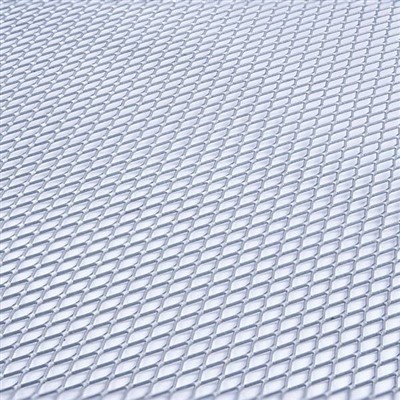
First off, let me quickly explain what expanded metal is. It’s a type of metal product that’s made by slitting and stretching a solid metal sheet. This process creates a pattern of diamond-shaped openings, giving the metal a unique look and a whole bunch of useful properties. Expanded metal can be made from various metals, like steel, aluminum, stainless steel, and copper. Each metal has its own set of characteristics, which makes expanded metal versatile for different applications.
Why Use Expanded Metal in Electronics?
There are several reasons why expanded metal is a great choice for electronics applications.
1. Ventilation
One of the main reasons is ventilation. In electronics, heat management is crucial. Many electronic devices generate a lot of heat during operation, and if this heat isn’t properly dissipated, it can cause the device to malfunction or even damage its components. Expanded metal’s open structure allows air to flow freely through it, making it an excellent material for creating ventilation panels in electronic enclosures. For example, in servers, which are basically powerhouses of data centers, expanded metal panels can be used to let hot air out and fresh air in, keeping the internal temperature in check.
2. EMI/RFI Shielding
Electromagnetic interference (EMI) and radio-frequency interference (RFI) can disrupt the normal operation of electronic devices. Expanded metal can act as a shield against these interferences. When a metal is used as a shield, it creates a barrier that reflects and absorbs electromagnetic waves. The conductivity of the metal, along with its structure, helps in minimizing the effects of EMI and RFI. In products like smartphones, laptops, and other consumer electronics, expanded metal shielding can be used to protect sensitive circuits from external interference and to prevent the device from emitting unwanted electromagnetic signals.
3. Structural Support
Electronics often need some form of structural support. Expanded metal provides a lightweight yet strong solution. It can be used to create frames, racks, and supports inside electronic devices. For instance, in a large audio amplifier, expanded metal can be used to build a framework that holds all the internal components in place. Its strength – to – weight ratio is quite impressive, meaning it can support a decent amount of weight without adding too much bulk to the device.
4. Aesthetics
Let’s not forget about looks. In some high – end electronics, the appearance matters. Expanded metal can add a modern and industrial look to the device. It can be used as a decorative element on the exterior of the device, like a speaker grille. The unique pattern of expanded metal can give the product a distinctive and appealing look, making it stand out in the market.
Types of Expanded Metal for Electronics
As I mentioned earlier, expanded metal can be made from different metals. Here’s a breakdown of the most common ones used in electronics:
Aluminum Expanded Metal
Aluminum is lightweight, corrosion – resistant, and has good electrical conductivity. It’s a popular choice for applications where weight is a concern, such as in portable electronics. Aluminum expanded metal can be used for ventilation panels in laptops or tablets. Its corrosion resistance also makes it suitable for outdoor electronic equipment, like weather stations.
Stainless Steel Expanded Metal
Stainless steel is known for its durability and resistance to corrosion. It’s a great option for electronics that need to withstand harsh environments. For example, in industrial control systems that are used in factories or chemical plants, stainless steel expanded metal can be used for shielding and structural components. It can also be used in medical electronics, where hygiene and durability are essential.
Copper Expanded Metal
Copper has excellent electrical conductivity, which makes it ideal for EMI/RFI shielding applications. In high – performance electronics, like military communication devices, copper expanded metal can be used to ensure maximum shielding effectiveness.
Applications in Different Electronic Devices
Let’s take a closer look at how expanded metal is used in some specific electronic devices.
Computers
In desktop computers, expanded metal is used in the power supply unit for ventilation. The power supply generates a significant amount of heat, and the expanded metal allows the heat to escape efficiently. In laptop computers, it can be used in the heat sink assembly to enhance heat dissipation. It can also be used in the chassis for structural support and as a shielding material to protect the internal components from electromagnetic interference.
Telecommunication Equipment
Telecommunication towers and base stations house a lot of electronic equipment. Expanded metal is used in the enclosures of these devices for ventilation and protection against environmental factors. It also helps in shielding the sensitive electronic circuits from EMI/RFI, ensuring clear communication signals.
Consumer Electronics
In consumer electronics like smart TVs and audio systems, expanded metal is often used as a speaker grille. It not only protects the speaker from damage but also allows sound to pass through while adding a stylish touch to the product.
Challenges and Considerations
Of course, there are some challenges and considerations when using expanded metal in electronics.
Manufacturing Tolerances
The manufacturing process of expanded metal needs to be precise to ensure the desired properties. For example, if the openings in the expanded metal are too large or too small, it can affect the ventilation or shielding performance. So, it’s important to work with a reliable supplier who can maintain tight manufacturing tolerances.
Finishing
The surface finish of the expanded metal can also be important. For EMI/RFI shielding applications, a smooth and conductive surface finish may be required to maximize the shielding effectiveness. In some cases, additional treatments like electroplating may be necessary.
Cost
The cost of using expanded metal can vary depending on the type of metal, the size, and the manufacturing complexity. While it offers many benefits, it’s important to balance the cost with the requirements of the electronics application.
My Experience as a Supplier
As an expanded metal supplier, I’ve seen firsthand how it can transform electronics applications. I’ve worked with many customers in the electronics industry, from small startups to large multinational corporations. I always make sure to understand their specific needs, whether it’s for ventilation, shielding, or structural support. Based on their requirements, I recommend the right type of expanded metal and help them with any customizations.
For example, one of my customers was developing a new line of portable audio devices. They needed a lightweight and aesthetically pleasing material for the speaker grille. I recommended aluminum expanded metal, which not only met their weight and appearance requirements but also provided good sound transmission. They were very happy with the end result, and the product received positive feedback from consumers.
Get in Touch

So, if you’re in the electronics industry and looking for a reliable expanded metal solution, don’t hesitate to reach out. Whether you need help with product selection, customization, or just have some questions, I’m here to assist you. I’ve got a wide range of expanded metal products in different metals, sizes, and patterns, and I’m confident I can find the perfect fit for your electronics application.
Perforated Metal Let’s start a conversation about how expanded metal can take your electronics products to the next level. Contact me today to discuss your requirements and get a quote!
References
- "Electromagnetic Compatibility Engineering" by Henry W. Ott
- "Heat Transfer in Electronic Equipment" by A. Azar and A. Kayhani
- "Manufacturing Processes for Engineering Materials" by Serope Kalpakjian and Steven R. Schmid
Anping Yilida Metal Wire Mesh Co., Ltd.
Anping Yilida Metal Wire Mesh Co., Ltd. is one of the most reliable expanded metal manufacturers and suppliers in China, also supports customized service. Please feel free to buy bulk high quality expanded metal made in China here from our factory.
Address: Wire Mesh Development Zone, Anping, Hebei Province, China
E-mail: sales@wiremesh-yg.cn
WebSite: https://www.yilidametal.com/
