Hey guys, it’s Jake from [Your Company Name] – the go-to PTFE tube supplier who’s been in the game long enough to know that even the toughest fluoropolymer tubes aren’t invincible. I get it: when a PTFE line springs a leak, cracks, or gets a tiny tear mid-job, your first thought might be “just toss it and grab a new one.” But wait – before you waste money on a whole replacement, especially if it’s a specialized line for your lab, industrial machine, or fluid handling setup, I’ve walked tons of customers through fixing their damaged PTFE tubes right on site, no fancy tools needed most of the time. Today, I’m breaking down exactly how to do it, no jargon, no overcomplicated steps – just the real deal from someone who sells these things every single day and helps fix them even more. PTFE Tube
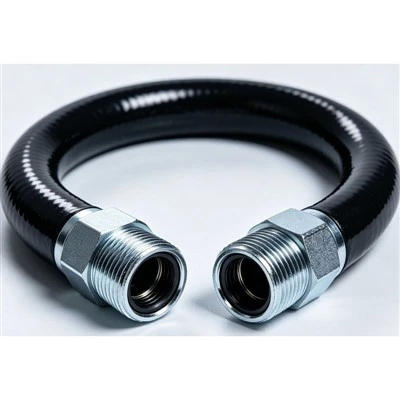
First off, let’s get one thing straight: PTFE is awesome because it’s non-stick, heat-resistant up to like 500°F, and doesn’t react with most chemicals, which is why everyone uses it for everything from chromatography lines to hydraulic systems. But it’s also super slippery, so it can be tricky to work with sometimes. And not all damage is repairable – so we’ve gotta start with figuring out what’s actually wrong with your tube. I see this all the time: a customer panics over a tiny scratch, but that scratch doesn’t go all the way through the wall. Or they think a kink is a total break, but no – a minor kink usually just needs straightening, not replacing. Let’s nail down which damages are fixable and which aren’t, ‘cause that saves everyone time.
So, what’s repairable? Minor surface scratches (only the outer layer, no penetration), small tears under ¼ inch long, pinholes, and even small cracks from UV exposure or minor pressure spikes. The big no-nos? If the tube is split all the way along its length, has a tear bigger than ½ inch, multiple pinholes clustered together, or if the inner wall is damaged (like if something sharp poked through and messed up the inside lining) – that’s a full replacement situation, no shame in that. PTFE tubes are built to last, but they’re not indestructible, and trying to glue a split tube will just end up with a leak in a week, guaranteed.
Now, let’s get into the supplies you’ll need. You don’t need a whole toolbox, I promise. Most of these things you probably already have lying around your shop or lab, and if not, they’re cheap to grab. First up: the damaged tube section itself, obviously. Then, you’ll need a utility knife or a pair of sharp scissors – but make sure they’re really sharp, ‘cause dull blades will tear the PTFE instead of cutting it clean. Next, isopropyl alcohol (91% or higher, not the cheap 70% stuff – it evaporates faster and leaves less residue) and lint-free wipes (old microfiber cloths work too, just no paper towels, they leave little bits that will mess with the seal). If you’re repairing a tear or pinhole, you’ll need a heat gun (set to low, not high – super important, high heat will melt PTFE) or even a hair dryer on its hottest setting if you don’t have a heat gun. And if you need to join two sections (like if you cut out a damaged piece), you’ll need PTFE adhesive – wait, no, hold up – not regular super glue. Only use a PTFE-specific adhesive, or better yet, a compression fitting, ‘cause adhesive on PTFE is hit or miss if you don’t use the right stuff. Pro tip from me: compression fittings are way more reliable than glue for permanent repairs, and they’re what we actually recommend for our customers.
Okay, step-by-step time. Let’s start with the most common damage: a small pinhole or tear under ¼ inch. This is super easy to fix, and I’ve done this in 2 minutes while a customer was still grabbing their alcohol. First, shut off all flow to the line and relieve any pressure – this is non-negotiable. No pressure = no mess, no injury. Then, use your sharp scissors or utility knife to cut out the damaged part, making a clean, straight cut. Wait, right – if you’re fixing a pinhole, you just cut out the tiny section around it, no need to cut more than a ½ inch total. Then, clean the area really well with that isopropyl alcohol and lint-free wipe. You have to get rid of any oil, grease, or debris – PTFE is non-stick, so if there’s gunk on it, whatever you use to fix it won’t adhere.
Next, heat the surrounding area of the cut. Take your low-setting heat gun, hold it 2-3 inches away from the cut, and move it around the area for like 30 seconds. You want the PTFE to get pliable, not melting – if you see it bubbling or turning translucent, you’re too close or too hot, pull back right away. Once it’s soft, take a small piece of scrap PTFE (I always keep extra scrap around for these exact situations, it’s a lifesaver) and press it firmly over the hole. Hold it there for 10-15 seconds, and it’ll fuse right to the original tube. Let it cool for a minute, then check for leaks. 9 times out of 10, that fix will hold up. I’ve had customers use this for months on end, no issues.
Now, what if the damage is a little bigger, like a tear that’s too long to just patch? Or if you need to connect two sections after cutting out a bad part? This is where compression fittings come in, and let me tell you, this is the method I recommend 100% of the time for any repair that’s not just a tiny pinhole. Adhesive works for some things, but compression is way more foolproof, especially for pressure lines. Let’s walk through this. First, same first step: shut off flow, relieve pressure, remove the tube from whatever it’s connected to. If there’s any old fitting on the end you’re working with, take that off too. Then, cut the tube at both ends, making perfectly straight cuts. No angled cuts, ‘cause that will make a bad seal. A miter box is helpful here, but a sharp knife and a steady hand works too – just take your time.
Next, clean the ends of both tube sections with isopropyl alcohol, same as before. Now, get your compression fitting – make sure it’s the right size for your PTFE tube, duh. We always tell customers to double-check their tube OD (outer diameter) before ordering fittings, ‘cause nothing’s worse than getting a fitting that’s too big or too small. Slide the nut of the compression fitting onto one end of the tube, then the ferrule – the little metal ring that does the sealing. Push the ferrule all the way up to the end of the tube, then push the two ends of the tube together so they meet in the middle of the fitting body. Make sure they’re butted up tight, no gaps. Then, tighten the nut by hand first until it’s snug, then use a wrench to give it about a quarter turn more. Don’t over-tighten it, ‘cause you can crack the PTFE or strip the fitting. That’s it! Now test for leaks by turning the pressure back on slow – if you don’t see any drips, it’s good to go. I’ve had this fix last for years, even on high-pressure hydraulic lines and chemical lines in labs.
Wait, what about kinks? A lot of people message me about kinked tubes, especially if they’re being routed through tight spaces. Minor kinks (like a little bend that’s not crimped flat) are easy to fix. First, straighten out the kink gently – don’t yank it, ‘cause that can cause a hidden crack inside. Then, run the heat gun over the kink area, same low setting, 2-3 inches away, until it’s pliable. Then gently work it back to a straight shape, and hold it there for 10 seconds while it cools. That’s it. If the kink is really bad, like it’s crimped and has a crack, then you’ll need to cut that section out and use the compression fitting method above.
Now, let’s talk about the mistakes I see all the time that make repairs fail. First, using too much heat. PTFE melts at around 620°F, and a lot of people crank their heat gun too high, or hold it too close, and turn a small pinhole into a big blob of melted plastic that’s even worse. Trust me, low and slow is the way to go. Second, not cleaning the area. I can’t stress this enough – if there’s oil or grease on the PTFE, the patch or fitting won’t seal, and you’ll have a leak within an hour. Take an extra 30 seconds to wipe it down with alcohol, it’s worth it. Third, forcing a repair when it’s not possible. I had a customer last month try to glue a tube that was split all the way down the side, and he called me a week later frustrated ‘cause it leaked. I told him straight up – that split tube isn’t repairable, grab a new one, it’s cheaper than wasting time and money on a bad fix. Fourth, using the wrong fittings. Don’t try to use a copper fitting or a PVC fitting for PTFE – they won’t work, ‘cause PTFE has a different surface texture and expansion rate. Stick to PTFE-compression fittings, that’s non-negotiable.
Now, when should you just replace the tube instead of repairing? Let’s recap: if the tube is split along its length, if the tear is bigger than ½ inch, if there are multiple pinholes, if the inner wall is damaged, or if it’s a high-pressure line that had a big burst (even if it’s not split, hidden damage inside can cause a sudden failure later). Better to be safe than sorry, right? We sell PTFE tubes in all sizes, from tiny 1/32 inch for lab chromatography lines to 2 inch for industrial hydraulic systems, so we’ve got you covered if you need a replacement.
Wait, also, a quick pro tip for future repairs: keep a little kit on hand for your most common lines. A spare tube of the same size, a compression fitting, some isopropyl alcohol, a sharp pair of scissors, and a small heat gun. It’ll save you a ton of time if something goes wrong, instead of running to the store at 8 PM on a Friday. I’ve had so many customers say having that kit has saved their whole weekend projects.
At the end of the day, repairing a PTFE tube isn’t rocket science, but it’s easy to mess up if you skip the small steps. The biggest takeaway is: assess the damage first, don’t try to fix something that’s too far gone, take your time with cuts and heat, and always clean the area. I’ve walked dozens of customers through this, and 9 out of 10 times, they can fix their tube without ordering a new one. But if you do need a replacement or a custom size, just reach out. We help folks with all sorts of PTFE needs, big and small. Got questions about sizing, fittings, or repairs? Hit us up, we’re here to help.
CR Hose For reference, the repair methods I mentioned are based on standard fluoropolymer processing guidelines from industry materials safety data sheets, plus years of on-the-job experience troubleshooting with customers across labs, manufacturing, and fluid handling sectors. Also, compression fitting for PTFE connections is a widely accepted method for low to medium pressure applications per industrial plumbing and fluid transfer standards.
BESTYIELD Technology (Huizhou) Co., Ltd.
BESTYIELD Technology (Huizhou) Co., Ltd. is one of the most professional ptfe tube manufacturers and suppliers in China, featured by quality products and good price. Please rest assured to buy durable ptfe tube made in China here and get quotation from our factory. Customized orders are welcome.
Address: Yinshan Industrial Zone, Liangjing Town, Huiyang District, Huizhou City, Guangdong Province
E-mail: rick@bestyield.net
WebSite: https://www.bestyield.org/
