If you’ve ever been in the business of distributing or sourcing lithium batteries, you know not all cylindrical cells are created equal. I’ve spent the last six years as a Cylindrical 32700 Lithium Battery supplier, and I’ve lost count of how many times clients have asked me, “What actually uses these things, anyway?” It’s a fair question—most people know cylindrical lithium batteries from the AA or AAA cells in their TV remote, but the 32700 is a whole different beast. These cells are bigger, heavier, and built for high-performance, long-duration applications, not just powering small household gadgets. Over the years, I’ve seen them go into everything from off-grid power setups to electric two-wheelers, and I’ve learned firsthand why they’ve become one of the most reliable workhorses in the energy storage space. Cylindrical 32700 Lithium Battery
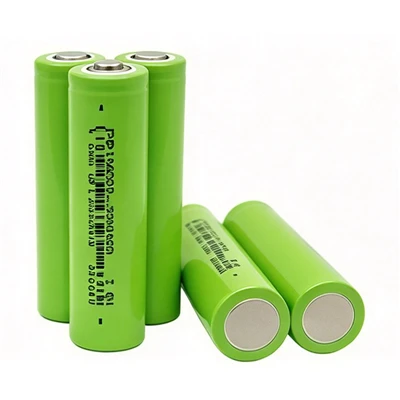
Let’s start with the basics so we’re all on the same page. A 32700 cylindrical lithium battery is named for its dimensions: 32 millimeters in diameter, 70 millimeters in length. That’s roughly the size of a standard AA battery, only about an inch longer and twice as thick. Unlike smaller cylindrical cells (like the 18650, which is more common in laptops and power banks), the 32700 is built for higher energy density, higher discharge rates, and longer cycle life—meaning it can be charged and discharged hundreds of times without losing much capacity. When I first got into this industry, I thought all lithium cells were interchangeable, but I quickly realized that matching the right cell to the right application is non-negotiable. Use a 32700 in a device that only needs a small, low-power cell, and you’re wasting money. Use a smaller cell in a high-demand application, and you’ll end up with frequent replacements and downtime.
Now, let’s talk about the most common (and most important) devices that rely on Cylindrical 32700 lithium batteries, the ones that make my job worth doing day in and day out.
First up, electric two-wheelers—think electric scooters, mopeds, and lightweight electric motorcycles. If you’ve ever rented a Lime or Bird scooter in a major city, chances are it had a 32700 battery pack powering it. Here’s why: Electric two-wheelers need a balance of power, range, and durability. Riders accelerate quickly, so the battery has to deliver a high discharge rate to meet that demand. The 32700’s high energy density means it can store enough charge to get 40 to 80 miles on a single charge, depending on the model—way more than a smaller 18650 pack could deliver without being too heavy. And because these two-wheelers are often used in rough conditions (potholes, rain, extreme temperatures), the 32700’s robust build means it can handle vibration and temperature swings better than many other cell types. Last year, I worked with a small electric scooter manufacturer in Texas that switched from 18650s to 32700s to reduce the number of battery packs they had to ship out for warranty repairs. They reported a 30% drop in warranty claims within six months—proof that this cell was the right fit for their needs.
Next, off-grid and portable power stations. This is an area that’s exploded in popularity over the last decade, as more people rely on solar power for their homes, campers, or emergency backup. Portable power stations need to hold a lot of energy, last for years, and be able to power everything from phones to refrigerators to power tools. The 32700 is ideal here because it has a higher watt-hour capacity per cell than smaller cylindrical cells. A single 32700 can hold around 6Ah to 6.5Ah of charge, which is more than twice the capacity of a standard 18650. That means a power station built with 32700 cells can be smaller and lighter than one built with smaller cells, while still delivering the same amount of power. I’ve supplied 32700s to a company that makes power stations for campers and RVs, and their top-of-the-line model uses 20 32700 cells to get a 1200Wh capacity—enough to power a mini-fridge, a laptop, and a few lights for a full weekend off-grid. What’s more, the 32700’s long cycle life (often 1,500 to 2,000 full charge-discharge cycles) means these power stations will last 5 to 10 years with regular use, which is a big selling point for customers.
Third, electric wheelchairs and mobility scooters for people with disabilities or limited mobility. Safety and reliability are non-negotiable here—these devices need to start quickly, carry a decent load, and not die mid-use when someone is relying on them. The 32700’s high discharge rate is perfect for this: it can deliver the burst of power needed to get the wheelchair moving, even when going up a slight incline. And because mobility devices are often used indoors and outdoors, sometimes in tight spaces or on uneven ground, the 32700’s rugged construction means it can handle minor bumps and vibrations without failing. A customer of mine who specializes in medical mobility equipment told me that they chose 32700 cells over lead-acid batteries (the old standard for wheelchairs) because the lithium cells are 50% lighter, hold a charge 2-3 times longer, and don’t require regular maintenance like adding water. That’s a game-changer for users who have to lift and transport their mobility devices—less weight means more independence.
I’d be remiss if I didn’t mention solar street lights, especially those used in rural areas or for temporary construction sites. Solar street lights need to charge during the day and power the light all night, sometimes for 10 to 12 hours straight. The 32700’s high energy density means it can store enough solar charge to last through multiple cloudy days, which is critical in areas with inconsistent sunlight. And because solar street lights are usually installed outdoors, exposed to rain, snow, and extreme temperatures, the 32700’s ability to operate well in a wide temperature range (typically -20°C to 60°C) makes it perfect for this application. Last year, I worked with a municipal government in a remote part of Canada to outfit 200 solar street lights with 32700 battery packs. They told me that the previous street lights used smaller batteries that died within 2 years, but the 32700s are projected to last 7 to 10 years, saving them thousands in replacement and maintenance costs.
Another underrated use case: robotic lawn mowers. I know, it sounds silly, but these little machines need a lot of power to cut through grass, navigate uneven yards, and run for hours on a single charge. The 32700’s combination of high energy density and consistent discharge makes it ideal here. Robotic lawn mowers can’t be too heavy, because they need to move around easily, but they also can’t run out of charge mid-mow. A client of mine in Europe that makes robotic lawn mowers switched to 32700 cells a few years ago, and their models now offer 40% longer run time than their previous models, while being 15% lighter. That’s a huge selling point for homeowners with larger yards, who don’t want their mower cutting out halfway through the job.
Wait, let’s also talk about electric marine trolling motors, if only because it’s a space that’s often overlooked. Trolling motors for boats need to deliver steady power for hours, sometimes in rough water, and they need to be reliable for fishermen who don’t want their motor dying out in the middle of a lake. The 32700’s deep discharge capabilities mean it can be drained significantly (down to 20% of its charge) without damaging the battery, which is perfect for trolling motor use. A fishing supply company I work with told me that their customers who switched from lead-acid batteries to 32700-powered trolling motors love that they can troll for a full day on one charge, and the lithium batteries are much easier to transport—no more heavy, awkward lead batteries to carry down to the dock.
Now, I want to be clear: the 32700 isn’t for every device. I still get calls from people asking if the 32700 works for their small power bank or kid’s toy, and I always say no. For those low-power, low-demand applications, a smaller, cheaper cell like the 18650 is a better, more cost-effective choice. The 32700 is designed for applications that need high power, long run time, and durability, so it’s important to match it to the right use case. That’s where my experience as a supplier comes in— I don’t just sell batteries; I help clients figure out if the 32700 is the right fit for their needs, or if another cell would work better.
Over the years, I’ve also learned about the unique benefits of the 32700 that make it stand out from other lithium battery types. For one, its cylindrical design helps with thermal management. When a battery discharges or charges, it generates heat, and cylindrical cells tend to dissipate heat better than pouch or prismatic cells, which means they last longer and are safer. That’s a big deal for high-power applications, where overheating can be a safety risk. The 32700 also has a higher energy density than many other cylindrical cells, so you get more power in a smaller footprint. And because it’s a mature cell type, there’s a lot of data and research backing its performance, which gives clients peace of mind.
I mentioned earlier that I’ve been in this business for six years, and one of the things that sticks with me is that the best partnerships come from understanding a client’s specific needs, not just pushing a product. I’ve had clients come to me with a vague idea that they need a high-performance battery, and after talking through their application—how much power they need, how long they need it to last, what environment it will be used in—we’ve decided the 32700 is exactly what they need. Other times, we’ve worked together to adjust their design to make the 32700 work even better, or we’ve suggested a different cell if it wasn’t the right fit. That’s the kind of trust that keeps clients coming back, and that’s why I’m still in this line of work.
If you’re a designer, engineer, or business owner looking for a reliable, high-performance battery for your product, and you think the Cylindrical 32700 Lithium Battery might be the right fit, I’d love to chat. I’ve worked with everything from small startups to large municipalities, and I can help you find the right configuration for your needs, whether that’s individual cells, custom battery packs, or bulk orders. We can talk about your power requirements, cycle life expectations, environmental conditions, and any other details that matter to your project. The 32700 has proven itself time and again in all the applications I’ve mentioned, and I’m confident it can deliver the performance and reliability you’re looking for.

For more information on Cylindrical 32700 Lithium Batteries and their applications, you can review technical resources from leading battery research organizations and industry publications focused on energy storage and portable power. Some key sources include studies on lithium cylindrical cell performance for electric mobility, reports on off-grid energy storage technologies, and guidelines for battery selection for medical and outdoor devices. These resources provide in-depth data on energy density, cycle life, and thermal performance, which are critical for choosing the right battery for your specific use case.
Power Tool Battery Pack References:
- Battery University. Cylindrical Lithium-ion Cells: Performance and Applications. Cadex Electronics Inc., 2023.
- International Energy Agency. The Role of Lithium Batteries in Electric Two-Wheelers and Off-Grid Storage. IEA, 2022.
- Medical Design & Outsourcing. Lithium Battery Choices for Mobility and Medical Devices. Endeavor Business Media, 2023.
- Solar Power World. Battery Technology Trends for Off-Grid and Remote Solar Installations. WTWH Media LLC, 2022.
- Robotic Industries Association. Power Solutions for Commercial and Consumer Robotic Lawn Care. RIA, 2023.
Shandong Dingshengyuan Electronic Technology Development Co., Ltd.
As one of the most professional cylindrical 32700 lithium battery manufacturers and suppliers in China, we’re featured by quality products and good service. Please rest assured to buy advanced cylindrical 32700 lithium battery made in China here from our factory. Contact us for more details.
Address: Building 3, Shanhaitian Intelligent Manufacturing Industrial Park, No. 1639 Beihai Road, Liangcheng Subdistrict, Shanhaitian Tourist Resort, Rizhao City, Shandong Province
E-mail: DSY18663388293@outlook.com
WebSite: https://www.dsybattery.com/
