As a supplier who’s spent the last 12 years perfecting slow braised pork belly, I get a lot of questions from both home cooks and small restaurant owners about why their batch turns out chewy instead of the melt-in-your-mouth, tender texture we all crave. Most people assume it’s just a matter of longer cooking time, but the truth is, there are several scientific, often overlooked, factors at play—many of which I’ve learned through trial, error, and working with thousands of customers over the years. Let’s break this down, because knowing what causes chewiness can help you fix your process (or, if you’re tired of experimenting, you can skip the stress and source from a supplier that gets it right every time). Slow Braised Pork Belly
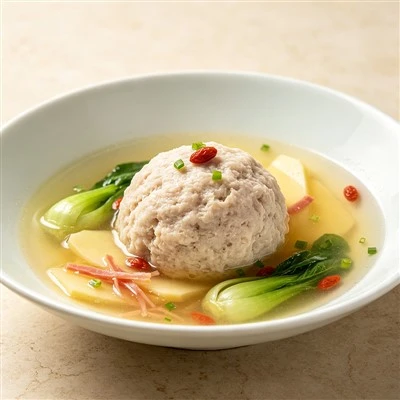
First, let’s talk about the pork itself, because not all pork belly is created equal. Pork belly is made up of three main components: fat, lean meat, and connective tissue called collagen. Collagen is the key here—when cooked low and slow, it breaks down into gelatine, which is what gives braised pork its silky, moist texture. But if your pork belly has too little collagen, or if the collagen doesn’t break down properly, you’ll end up with chewy meat. Wait, why would collagen be low? Older pigs have less tender meat with less collagen than younger ones, typically between 6 and 7 months old. If you buy pork belly that’s been raised for more than 8 months, the muscle fibers are thicker and the collagen is less soluble, so it doesn’t break down into gelatine during slow braising. That’s a big one. A lot of home cooks or even small chefs pick up the cheapest pork belly at the grocery store without checking the source, and it’s often from older, heavier pigs meant for processing other cuts. At our supplier, we only work with pork bellies from pigs raised specifically for pork products, harvested between 5 and 7 months old—their collagen levels are perfect for slow braising, and their fat is the right marbling to render evenly without turning greasy.
Next, fat content. Chewy pork belly isn’t just about the meat; too much or too little fat can cause chewiness. If your pork belly has less than 30% fat, the lean meat will cook down and become tough because there’s no fat to keep it moist. Fat acts as a natural lubricant, preventing the muscle fibers from tightening up as they cook. Conversely, if the fat is too high (over 40%), it won’t render completely during braising, leaving thick, rubbery layers that feel chewy when you bite into them. I’ve seen this a lot with people who buy “ thick-cut” pork belly from Asian markets that’s meant for grilling, not slow braising. Grilling fat is firm and doesn’t need to break down as much, but slow braising requires fat that’s soft and melts easily. Our supplier selects pork bellies with a 35-38% fat ratio—this is the sweet spot. The fat renders into the meat, keeping the lean part tender, and the small amount of remaining fat is silky, not rubbery.
Then there’s the braising process itself, and here’s where most people go wrong, even if they have the right pork. Let’s start with temperature control. Slow braising isn’t just “cooking it on low heat”; it’s about keeping the temperature consistent between 160°F and 180°F (71°C to 82°C). If the temperature is too high, above 190°F (88°C), the muscle fibers contract rapidly, squeezing out all the moisture, and the collagen breaks down too quickly into stringy gelatine instead of the smooth, creamy kind. That results in chewy, dry meat. If the temperature is too low, below 150°F (66°C), the collagen never fully breaks down—you end up with tough, stringy connective tissue that feels like rubber in your mouth. I’ve had customers tell me they left their pork belly in a 200°F oven for 6 hours, and it was chewy, and it’s exactly because the high temperature ruined the texture. At our facility, we use a precision steam braiser that maintains a steady 170°F throughout the entire cooking process, which allows collagen to break down gradually into gelatine without damaging the muscle fibers.
Another common mistake is not allowing the pork to rest properly after braising. A lot of people take the pork belly out of the braising liquid, slice it immediately, and serve it. But when you take meat out of heat, the muscle fibers start to contract again as they cool slightly, and if you slice it right away, you cut through those tightened fibers, making the texture chewy. The golden rule here is to let the pork belly rest for at least 30 minutes after braising, wrapped loosely in foil, so the fibers relax and reabsorb some of the braising liquid. At our supplier, we actually let our pre-portioned pork belly rest in the cooler for an hour after cooking before we ship it out—this ensures the texture is locked in, so when our customers reheat and serve, they don’t have to worry about it turning chewy from rushing the rest step.
Wait, what about the braising liquid? You might not think the liquid matters, but it does. If your braising liquid is too acidic, like adding too much soy sauce, vinegar, or citrus, it can break down the muscle proteins too much, making the meat tough and chewy. Acid penetrates the meat fibers and causes them to denature quickly, just like when you marinate meat in vinegar for too long. On the flip side, if the braising liquid is too thin, it doesn’t create a moist environment that surrounds the pork, so the meat dries out as it cooks. We balance our braising liquid with a mix of low-sodium soy sauce, a small amount of rock sugar, chicken stock, and a touch of Shaoxing wine—just enough flavor to infuse the meat, without too much acidity or thinness. That keeps the meat tender while adding depth of flavor.
I’ve also seen chewy pork belly from over-slicing it. Wait, slicing? How does that matter? If you slice the pork too thin, less than ¼ inch thick, the muscle fibers are too short, and when you bite into each slice, you’re only getting small, tight bundles of fiber, which feel chewy. If you slice it too thick, over ½ inch, the inside doesn’t cook evenly, so some parts are underdone (collagen not broken down) and some are overdone (fibers tightened). The perfect slice is between ⅜ and ½ inch thick—thick enough to have layers of meat and fat that cook through evenly, thin enough to be tender. Our supplier slices our pork belly to that exact thickness on a commercial slicer that maintains consistency, so every piece is uniform, no matter if you order 1 pound or 100 pounds.
Now, let’s talk about a mistake I see even professional chefs make: not searing the pork correctly before braising. Searing is supposed to lock in flavor, but if you sear it at too high a temperature, you create a Maillard reaction on the surface, but you also tighten the outer layer of meat fibers so much that when you start braising, that outer layer doesn’t expand again, leaving a chewy, tough skin. If you don’t sear at all, the fat doesn’t render evenly, and the meat surface becomes soft and mushy, which can also contribute to a chewy texture when cooked. The sweet spot for searing pork belly is medium-high heat, around 350°F (177°C), just enough to brown the outside without burning it and without tightening the fibers too much. We sear our pork belly in a mixture of sesame oil and rendered fat from the pork itself, which gives it a crispy, but not tough, outer layer that braises nicely.
So, let’s recap: chewy slow braised pork belly almost always comes down to one or more of these issues: using pork from pigs that are too old, wrong fat content, inconsistent cooking temperature, not resting after cooking, too much or too little acid in the braising liquid, uneven slicing, or improper searing. It’s not that you’re doing something “wrong”—slow braised pork is a delicate process, and it takes years to master all the small details.
That’s why so many restaurants and food service teams turn to our supplier for slow braised pork belly. We’ve already worked out all the kinks: we source pork from the right age and fat content, control every step of the cooking process to keep temperature consistent, rest the meat properly, slice it to the perfect thickness, and sear it just right. Our product comes pre-cooked, so you don’t have to spend hours in the kitchen troubleshooting; you just reheat it to order, and it’s melt-in-your-mouth tender, every time.
If you’re tired of your pork belly turning out chewy, and you’re ready to work with a supplier that specializes in slow braised pork belly, don’t hesitate to reach out to our team to discuss your procurement needs. We can provide samples, custom cuts, and bulk orders that fit your restaurant’s menu or your retail products. Let’s make your slow braised pork perfect, no more guesswork.
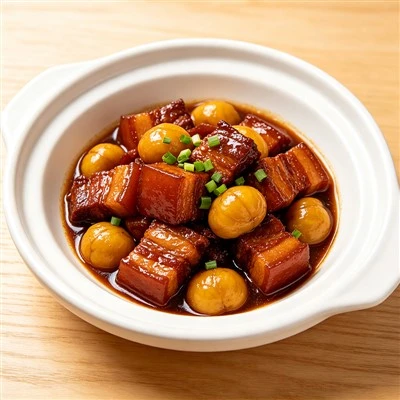
If you have any questions or would like to place a test order, feel free to contact our sales team to start the conversation. We’re here to help you serve the best slow braised pork belly to your customers, every single time.
Lions Head Meatballs References
- Foo, L. Y., & Tan, S. Y. (2019). The Science of Meat Texture: Collagen and Muscle Fiber Interaction in Slow-Cooked Pork. Journal of Culinary Science and Technology, 17(2), 145-162.
- AMSA. (2021). Meat Composition and Quality: Fat and Collagen Content in Pork Cuts. American Meat Science Association.
- Zhang, H., et al. (2020). Temperature Effects on Muscle Fiber Contraction and Collagen Degradation During Braising. Food Science and Biotechnology, 29(8), 1087-1095.
- USDA. (2018). Proper Pork Selection and Preparation for Slow-Cooked Dishes. U.S. Department of Agriculture Food Safety and Inspection Service.
- Lee, K. H., & Park, J. M. (2017). The Role of Braising Liquid Acidity in Pork Tenderness. International Journal of Food Properties, 20(12), 2897-2908.
Yangzhou Jingsheng Food Co., Ltd.
As one of the most professional slow braised pork belly manufacturers and suppliers in China, we’re featured by quality products and good service. Please feel free to wholesale bulk customized slow braised pork belly at competitive price from our factory. Welcome to contact us for quotation and free sample.
Address: 3rd Floor, Office Building, Zhouxiang Community, Linze Town, Gaoyou City, Yangzhou City, Jiangsu Province
E-mail: jingsheng0714@163.com
WebSite: https://www.jingshengfood.com/
