If you’re diving into starting a nanobrewery, taproom addition, or just upgrading your small-scale beer setup, one of the first big calls you’ll have to make is picking between two-vessel and four-vessel scale beer equipment. As someone who’s been building, troubleshooting, and customizing gear for craft brewers for over a decade, I hear this question at least once a week—and there’s no one-size-fits-all answer. Let’s break this down like we’re chatting over a pint, no boring jargon, and get real about what actually works for your space, budget, and brew goals. Scale Beer Equipment
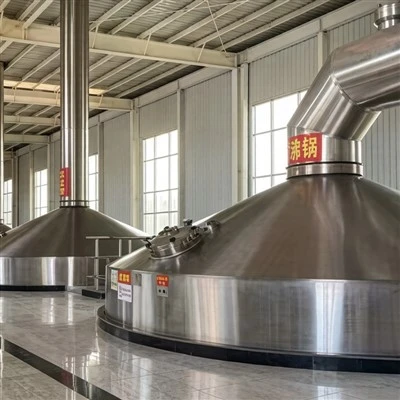
First, let’s get the basics straight so we’re all on the same page. Two-vessel systems are, unsurprisingly, two main tanks: one for mashing and lautering (that’s mashing grains to get sweet wort, then separating the grain from the liquid) and one for boiling and whirlpooling (cooking the wort with hops, then swirling out solids). Four-vessel systems split that work into separate tanks: a mash tun, lauter tun, brew kettle, and whirlpool. So the core difference is how many steps get their own dedicated tank. That might sound like four tanks mean more work capacity, but it’s not as cut-and-dry as “bigger is better.”
Let’s start with who two-vessel systems hit the sweet spot for. I’ve sold these to homebrewers upgrading to commercial, 10-barrel taprooms, and even small craft breweries that only run 150-300 barrels a year. The biggest draw here is cost and space—two-vessel systems are way cheaper upfront, usually 20-30% less than a comparable four-vessel setup, and they take up half the footprint. If you’re renting a 1,000 sq ft space in a downtown area where every square foot costs you money, a two-vessel system is a no-brainer. Less space also means less plumbing, less maintenance, and fewer pieces of equipment to clean (and let’s be real, cleaning is half a brewer’s job—anything that cuts down on that is a win).
Wait, but what about production speed? A lot of brewers worry that sharing a tank will make them slower. Let’s test that: with a two-vessel system, you’ll do a brew day in batches. Mash in, hold the grains for an hour, then recirculate to lautering, pump the wort to the boil kettle, boil, then whirlpool. While that boil is going, you can’t really do another step in the other tank because it’s shared. But for small to mid-sized production, that’s not a problem. If you’re making 10-15 different beers a month, you don’t need to brew every single day. I had a customer last year who ran a 7-barrel two-vessel taproom in Portland, OR—he brewed 4 batches a week, which was enough to keep 12 taps full year-round. He said he saved $40k upfront that he put toward a taproom expansion, and he hasn’t once been bottlenecked.
But two-vessel systems do have limits. If you’re thinking of scaling to 1,000+ barrels a year, or if you want to do super specific styles like sour beers that need separate fermentation or heavy dry-hopping batches, two-vessels can start to feel cramped. Also, lautering on a two-vessel system means you’re mashing and lautering in the same tank, so you can’t get that super clear lautering that four-vessel brewers brag about. For a hazy IPA, that’s not a big deal—haze is good these days—but for a crisp lager or a bright Belgian tripel, that slight cloudiness from the lautering step might bother you. I’ve had brewers come back to me after a year saying, “I love my two-vessel, but I can’t make that lager I wanted without redoing the whole system.”
Now let’s talk four-vessel systems, which are the workhorses of most mid-sized and large craft breweries. The big upside here is dedicated steps. You can mash in one tank while lautering is wrapping up in another, boil in the kettle, and whirlpool separately—so your brew day is way faster. I worked with a 30-barrel brewery in Austin that does 25+ different beers a month, and they brew two batches a day on their four-vessel setup. That’s double the output of a two-vessel system in the same amount of time. The separate lauter tun also means way clearer wort, which is a game-changer for lagers and high-end beers where clarity is key. They also have room to add things like a separate hot water tank, which makes cleaning a breeze—no more waiting to heat water while your kettle is hot from boiling.
Another underrated win for four-vessel systems: flexibility for experimental brews. If you want to do a small batch of a sour that needs to sit in a separate vessel, or a limited-edition barrel-aged beer, the extra tanks don’t cramp your main production. I had a brewer in Denver who used his four-vessel system to do a test batch of a sour every other week—he didn’t have to shut down his regular production to make it, which is a huge selling point for customers who come back for his one-off sours.
But four-vessel systems aren’t for everyone. The downsides are pretty obvious: more cost, more space, more maintenance. A 10-barrel four-vessel system can run you $70k-$90k, compared to $50k-$65k for a two-vessel same size. And if you’re in a small space, adding four big tanks instead of two might mean you have to cut down on tap space or storage. I had a customer in Brooklyn who went four-vessel and had to give up two of his 10 taps to make room—turns out he only needed 8 taps, so it worked out, but it was a trade-off he didn’t expect. Also, more tanks mean more parts to clean and inspect. If you’re a one-person operation, cleaning four tanks instead of two can add 2-3 hours to your day, which is time you could be kegging or meeting distributors.
Let’s cut through the hype with a real comparison of use cases, since that’s what matters most. If you’re a startup taproom with 12-16 taps, doing 100-300 barrels a year, a two-vessel system is almost always the better call. You’ll save money, fit into most small commercial kitchen spaces, and have enough output to keep your taps full without overcomplicating things. If you’re already established, doing 500+ barrels a year, want to do high-volume styles, or have the space and budget for extra tanks, four-vessel is the way to go.
Wait, but what about hybrid setups? I’ve done custom builds where a customer wanted a two-vessel but added a small separate tank for fermentation or dry-hopping. That’s a middle ground—way cheaper than a full four-vessel, but gives you some of the flexibility. Last year, a customer in Seattle did a hybrid 8-barrel: two main brew tanks plus a 3-barrel side tank for dry-hopping hazy IPAs. It cost him $55k, which was a little more than a standard two-vessel, but he got to make the style that was driving most of his sales.
I’ll wrap this up with a quick story to illustrate. A few years back, I helped two brewers in the same area pick systems. Brewer A opened a 10-barrel two-vessel taproom. He brewed 4 times a week, kept 12 taps full, and turned a profit within 18 months. Brewer B opened a 10-barrel four-vessel taproom. He brewed 5 times a week, had extra tanks for experiments, but spent $35k more upfront and another $500 a month on extra maintenance. His profit took 3 years to hit. Both are successful now, but their choices matched their goals: Brewer A wanted fast, low-cost profit, Brewer B wanted to build a brand around experimental beers.
So when you’re picking, ask yourself three questions: How much space do I have? What’s my annual production target? What styles of beer do I want to make? If you answer small space, <400 barrels a year, casual core styles, two-vessel is great. Big space, >500 barrels a year, special/experimental styles, go four-vessel.
If you’re still not sure, just reach out—no sales pitch, no pressure. I can walk you through layout plans, cost breakdowns, and even talk through your specific brew goals. We’ve helped hundreds of brewers pick the right system, and there’s no one better for your setup than one that fits your business, not a one-size-fits-all box.
Scale Beer Equipment References
- Craft Beer Brewer’s Association. (2022). Small-Scale Brewery Equipment Guidelines.
- “Brewer’s Journal.” (2021). Comparative Analysis of Two-Vessel vs. Four-Vessel Commercial Brewing Systems.
- National Restaurant Association. (2020). Commercial Kitchen Space Requirements for Brewpubs.
Wenzhou Jinggong Machinery Equipment Co., Ltd.
We are one of the most professional scale beer equipment manufacturers and suppliers in China. With abundant experience, we warmly welcome you to buy customized scale beer equipment at competitive price from our factory. If you have any enquiry about quotation, please feel free to email us.
Address: No.Jiadi Industrial Zone, Yaoxi Town, Longwan District, Wenzhou City, China.
E-mail: jinggong2026@163.com
WebSite: https://www.jg-ind.com/
