If you’ve ever watched a scrap metal yard operation or a demolition job, you’ve probably spotted alligator shears in action—their hinged, pincer-like jaws crunching through thick steel beams like they’re soft cardboard. That has left a lot of people asking the same question: Can alligator shears actually cut metal, and is there more to this tool’s power than meets the eye? As a supplier who’s worked with fabricators, scrap processors, and demolition crews for over a decade, I’m here to break this down for anyone who’s curious, from small business owners looking to streamline operations to hobbyists who’ve seen these tools at work and wondered if they could use one themselves. Alligator Shears

First, let’s clear up a common misconception: alligator shears aren’t just a single tool—they’re a category of heavy-duty cutting tools designed specifically for materials that most handheld or even mid-sized power saws can’t handle. The name comes from their distinctive jaw design, which resembles an alligator’s mouth, with two curved blades that close around a workpiece with massive force. But when it comes to cutting metal, the answer isn’t a simple “yes” or “no”—it depends on three key factors: the shear’s power output, the type of metal you’re working with, and the shear’s blade quality and maintenance.
Let’s start with the basics of what alligator shears can cut, because that’s where most people get the most hands-on experience. For scrap metal processing, which is one of the most common uses for these shears, they routinely cut through mild steel—think rebar, steel pipes, car frames, and old structural steel beams up to 2 inches thick. Mild steel is low in carbon (usually less than 0.25%) and has a relatively low tensile strength (around 400 megapascals, or MPa), so it’s soft enough for alligator shears’ hydraulic or electric power to bite through. We regularly supply customers who use our shears to process old machinery parts, steel roofing materials, and even aluminum extrusions—aluminum, while softer than steel, is easy for alligator shears to cut because it doesn’t have the same rigidity that can resist a closing jaw.
But what about harder metals? Stainless steel, for example, has a carbon content between 0.25% and 2% and a tensile strength that can reach up to 550 MPa for standard grades, and even higher for specialty alloys like tool steel or hardened steel. Early alligator shear models, especially older, lower-power units from the 1980s and 1990s, struggled with these materials—they’d dull blades quickly, stall mid-cut, or even damage the shear’s hydraulic system if operators tried to force it. That’s a big reason why some people still say alligator shears can’t cut metal beyond mild steel, but that’s outdated. Modern models, like the ones we manufacture, have stronger frames, higher-pressure hydraulic systems (up to 30 tons of force for small industrial models, and over 200 tons for heavy-duty demolition units), and blades made from high-carbon chromium steel or even alloy tool steel that’s heat-treated to stay sharp against hard materials. We’ve had customers use our shears to cut 1.5-inch thick 304 stainless steel beams regularly, though they do need to adjust their cutting speed and replace blades every 200 to 300 cuts, compared to every 500 cuts for mild steel.
Wait, but what about metals that are too thick for even the most powerful alligator shears? A 12-inch thick steel plate, for example, has a tensile strength of over 600 MPa, which is way beyond the capacity of even a top-tier industrial alligator shear. In those cases, alligator shears aren’t the right tool—but that’s not a failure of the shear itself. It’s a matter of matching the tool to the job, which is something we always emphasize to our customers. Alligator shears are designed for shearing, not for sawing, drilling, or torching thick, ultra-hard materials. Their design works by applying concentrated, compressive force along a sharp edge to cut through a workpiece—so when the material is too thick or too hard to be deformed by that force, the shear can’t make a clean cut. That’s why we always ask potential buyers what materials they plan to work with before recommending a model; there’s no one-size-fits-all alligator shear for every metal application.
Another common question: Can alligator shears cut non-ferrous metals like copper or brass? The short answer is yes, though there are caveats. Copper, like mild steel, has a relatively low tensile strength (around 210 MPa for pure copper), so it’s easy to cut. But brass is an alloy of copper and zinc, with a tensile strength that ranges from 300 MPa to over 500 MPa depending on the grade. Softer brass grades cut smoothly, but harder, higher-strength brass can cause blade wear if not handled correctly. We’ve had a few customers in the electrical scrap business use our shears to process copper wiring and old transformer copper cores, but we warn them to use lubrication on the blades during cuts to reduce friction and keep the blades sharp longer. One customer actually switched from using reciprocating saws for copper scrap to our alligator shears, and they told us they cut their processing time by 70% because the shears can chew through bundles of wiring in seconds, instead of having to saw each wire individually.
Now, let’s talk about the science behind how alligator shears cut metal, because understanding that makes it easier to see why some cuts work and others don’t. When the shear’s two jaws close, the top blade moves down along a curved path, applying a shear force that splits the workpiece along a straight line. This is different from, say, a band saw, which uses abrasive cutting to wear away material, or a torch, which melts metal. Shearing is a mechanical process that relies on the material’s ability to deform plastically before fracture—softer metals deform more easily, which is why they’re easier to cut with alligator shears. Harder metals, like hardened steel, have lower plastic deformation before fracture, so you need more force to get the blade to penetrate the material and make a clean cut. That’s why blade material and shear power are non-negotiable for cutting hard metals; if the blade isn’t hard enough, it’ll deform before the metal does, and you’ll get a ragged cut or a dull blade.
I’ve seen this firsthand with a customer who bought a cheap alligator shear from a no-name supplier a few years ago. They were working with 1-inch thick mild steel rebar, and their shear kept getting stuck mid-cut. When they called me for help, I went to their job site to take a look, and it turned out their shear only had 10 tons of force—half of what a properly sized shear for 1-inch rebar needs. Plus, their blades were made from regular steel, not heat-treated alloy, so they dulled after only 10 cuts. We ended up replacing their shear with a model with 25 tons of force and heat-treated blades, and they haven’t had a single issue since. That’s a perfect example of why it’s not just about whether a shear can cut metal—it’s about picking the right shear for the specific metal and thickness you’re working with.
There are also factors beyond the shear itself that affect its ability to cut metal. Operator training is a big one. If you try to cut a piece of metal that’s too big to fit between the jaws, or you position it wrong so the blade has to cut through the edge instead of the center, you’ll get a bad cut, and you might even damage the shear. We always train our customers to measure the thickness of their metal, calculate the required shear force (a simple rule of thumb is 1 ton of force per 1/8 inch of mild steel thickness), and make sure the metal is centered between the jaws before closing. I’ve seen new operators try to force a shear through a piece of metal that’s too thick, and it can bend the shear’s frame or break a hydraulic line—costly mistakes that are easy to avoid with basic training.
Maintenance is another key factor. Blades need to be sharpened regularly, usually after every 200 to 500 cuts depending on the material, and the hydraulic system needs to be flushed and checked for leaks every 500 hours of use. Dull blades require more force to cut through metal, which strains the shear’s motor or hydraulic pump, and they’ll leave ragged, uneven cuts that are harder to process. We supply our customers with a maintenance guide that includes tips for blade sharpening (we even offer blade sharpening services for our regular customers) and hydraulic fluid checks, because a well-maintained shear will cut metal faster, cleaner, and last longer.
Now, let’s address a common myth that we hear a lot: “Alligator shears can’t cut sheet metal.” That’s actually true for thin sheet metal—like 16 gauge or thinner. Sheet metal is too thin for the shear’s jaws to apply enough concentrated force to make a clean cut; instead, it’ll bend or crumple between the blades. For sheet metal, tools like snips or plasma cutters are better. But for thicker sheet metal—10 gauge or thicker—alligator shears work perfectly. We have a customer who processes old metal roofing, which is usually 12 to 14 gauge steel, and they use our alligator shears to cut it into manageable chunks for melting down. They tell us it cuts the roofing in half the time it would take to use a band saw, and the cuts are smooth enough that they don’t have to spend extra time trimming the edges.
So, to circle back to the original question: Can alligator shears cut metal? The answer is a qualified yes—they can cut most common ferrous and non-ferrous metals, from mild steel rebar to medium-grade stainless steel, aluminum, copper, and brass, as long as you pick the right shear for the job, match its power to the material thickness, and maintain it properly. But they’re not a universal tool; they have limits, and using them for materials beyond their capacity will lead to poor performance, damaged equipment, or safety hazards.
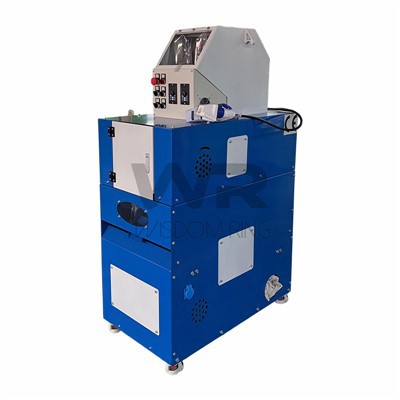
If you’re someone who’s looking to add alligator shears to your operations, whether you’re a scrap processor, demolition contractor, metal fabricator, or even a small business owner handling metal recycling, the best way to make sure you’re getting a tool that can cut the metal you need is to talk to a supplier who knows the industry. We’ve spent years testing different models, working with customers to refine their processes, and building shears that are tailored to different applications. If you’re ready to find an alligator shear that can meet your metal cutting needs, reach out to our team to discuss your specific requirements, compare models, and find the right fit for your operations. Don’t waste time and money on a tool that can’t handle your materials—let us help you make a choice that will streamline your work, save you time, and deliver clean, efficient cuts every time.
Horizontal Metal Balers References:
- Scrap Processing Equipment Manufacturers Association. (2021). Heavy-Duty Shear Tools: Capacity and Application Guidelines.
- ASTM International. (2019). Standard Test Methods for Tensile Testing of Metallic Materials.
- Hydraulic Industry Association. (2022). Maintenance Best Practices for Heavy Industrial Cutting Tools.
- National Association of Demolition Contractors. (2020). Equipment Selection for Metal Cutting in Demolition Projects.
Xi’an Wisdom Ring Machinery Co., Ltd.
As one of the leading alligator shears manufacturers and suppliers in China, we warmly welcome you to buy advanced alligator shears for sale here from our factory. All customized machines are with high quality and competitive price. Contact us for quotation.
Address:
E-mail: copperrecycling@wisdomringmachinery.com
WebSite: https://www.wisdomringmachinery.com/
