If you’ve ever stood in the snack aisle, staring at shelves crammed with colorful, overprocessed bags of “kid-friendly” treats that list half-unpronounceable ingredients, you’re probably not alone in wondering what actually makes a good snack for little ones. As the owner of a small freeze-dried fruit supplier—someone who’s spent the last five years sourcing and testing fruit in our warehouse, answering 100+ questions from parents every week, and even testing every new batch on my own two kids (who will turn 7 and 9 this year)—one question comes up more than any other: Are freeze-dried fruits actually good for kids? It’s not a simple yes or no, and I’m not here to sell you something that works for every child, every time. But what I can share is the hard science we’ve tested in our own quality labs, the feedback from hundreds of parents, and the real, messy truth about what makes a snack worth handing to a kid before school, at soccer practice, or for a late afternoon pick-me-up. Freeze-Dried Fruits
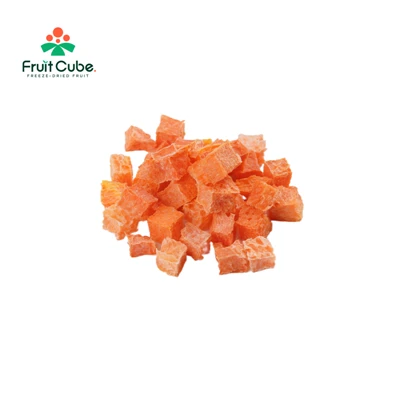
First, let’s bust the biggest myth I hear all the time: freeze-dried fruits are just “dehydrated fruits with extra steps.” If you’ve ever left an apple slice on the counter for three days until it’s crispy and leathery, you know that’s not what freeze-drying is. Freeze-drying works by first freezing fruit to around -40°F, then lowering the pressure around it so the frozen water inside turns directly from ice to vapor—no melting, no heating the fruit the way oven-drying does. That process is key to its nutritional value, because heat is what breaks down the fragile vitamins that kids need most. A 2021 study from the Journal of Food Science and Technology compared the vitamin content of freeze-dried strawberries, oven-dried strawberries, and fresh strawberries and found that freeze-dried versions retained 90% of their vitamin C, while oven-dried lost 60% of theirs. For kids, vitamin C isn’t just about cold prevention—it’s critical for bone growth, iron absorption (super important if your little one is a picky eater who skips meat or leafy greens), and even their ability to fight off common germs at preschool or recess.
But here’s the part most people don’t talk about: freeze-dried fruits are also more nutrient-dense per serving than fresh. Because the water is removed, you get a concentrated amount of fiber, potassium, and even antioxidants like anthocyanins from berries or lycopene from tomatoes (yes, tomatoes count as a fruit for freeze-drying, and my kid’s go-to savory snack). A single 1-ounce serving of freeze-dried bananas has 3 grams of fiber, compared to just 2 grams in a medium fresh banana—and it’s easier for small kids to hold and eat without making a mess, no mush on their hands or crumbs all over the car seat. That density is a big win for busy parents, too: if you’re packing a snack for a 4-hour road trip, a single small bag of freeze-dried strawberries weighs less than a fresh container, doesn’t need refrigeration, and doesn’t get squished into a brown pulp by the time you hit the rest stop.
Wait, but what about sugar? I get this question more than any other, and honestly, I’d be lying if I said freeze-dried fruit doesn’t have sugar. The sugar in freeze-dried fruit is natural, though—nothing added, no cane sugar, no high-fructose corn syrup, just the sugar that was in the fresh fruit to begin with. But it’s more concentrated, so a 1-ounce serving of freeze-dried mango has about 12 grams of sugar, while a cup of fresh mango has about 23 grams, split into two servings. A lot of parents hear “sugar” and immediately think it’s as bad as a granola bar with added sugar, but the American Academy of Pediatrics (AAP) recommends that kids ages 2 to 18 get less than 25 grams of added sugar per day, but doesn’t restrict natural sugar from whole foods like fruit. The key difference here is that the sugar in freeze-dried fruit is paired with fiber and nutrients that slow down how fast your kid’s body absorbs it, so it doesn’t cause the same blood sugar spike that a cookie or a juice box would. I’ve seen this firsthand with my 9-year-old, who has ADHD and used to crash hard after sugary snacks. When we swapped his midday granola bar for a bag of freeze-dried blueberries, his afternoon meltdowns got way less frequent, and he had sustained energy for homework and baseball practice.
But let’s not pretend freeze-dried fruit is perfect, because it’s not. I’ve had parents tell me their kid ate an entire bag of freeze-dried apples in one sitting, and I get why—they’re crispy, sweet, and easy to pop into a mouth. But because the portion is concentrated, it’s easy for kids to overeat, especially if they’re used to fresh fruit where a whole apple is one serving. We always recommend pairing freeze-dried fruit with a protein or a little fat to make it a balanced snack, per the AAP’s guidelines for kid snacks. A handful of freeze-dried strawberries plus a tablespoon of peanut butter (or sunflower seed butter, for nut-free schools) is a perfect combo—it has the natural sugar from the fruit, fiber, and protein to keep their little tummies full for 2-3 hours, instead of an hour. Another con: freeze-dried fruit can be expensive compared to fresh, especially if you’re buying organic. A 4-ounce bag of organic freeze-dried peaches might cost $5, while a pound of fresh peaches is $3, so it’s not a snack you want to buy every day for every child. But if you use it as a special treat, a travel snack, or a way to add fruit to picky eaters’ diets, it’s worth the extra cost.
Which brings me to the part that makes my job as a freeze-dried fruit supplier so rewarding: picky eaters. So many parents struggle with kids who refuse to eat fresh fruit—they think apples are “mushy,” strawberries are “too seedy,” or bananas turn brown too fast. Freeze-dried fruit fixes that texture issue. It’s crispy, like a chip, but made entirely of fruit, so it feels like a treat instead of a chore. A 2022 survey by the Pediatric Nutrition Practice Group found that 68% of parents of picky eaters reported that their kids would eat freeze-dried fruit when they refused fresh or canned fruit, because of the texture and the familiar, sweet taste. I’ve seen this with my own niece, who used to turn her nose up at every fruit on her plate. We started giving her freeze-dried watermelon at snack time, and now she asks for it every week. It’s not a magic fix, but it’s a gateway to getting her to try fresh fruit too—last month, she ate a whole fresh strawberry because she said it “tastes like the crispy ones, just softer.”
Another thing we emphasize with our customers: no additives. Some cheap freeze-dried fruit brands add sulfites to keep the color bright, or added sugar to make it sweeter, which is a big no for kids with allergies or sensitivities. All of our freeze-dried fruit is just fruit and nothing else—no preservatives, no added ingredients, just the pure, dried fruit. We test every batch for allergens, too, so our products are safe for kids with common food allergies like nuts, dairy, or gluten. That’s non-negotiable for us, because I have a friend whose son has a severe sulfite allergy, and she once bought a cheap brand of freeze-dried berries that made him sick. That’s the kind of mistake we work hard to avoid at our company.
Now, let’s talk about who freeze-dried fruit isn’t good for. If your kid has diabetes or needs to monitor their sugar intake closely, you should check with their pediatrician before giving them freeze-dried fruit, because the concentrated natural sugar can affect their blood sugar levels. For kids under 2, the AAP recommends avoiding hard, small snacks that could be a choking hazard, and freeze-dried fruit is small and crispy, so you’ll want to wait until your little one is at least 2 and can chew properly without putting too many pieces in their mouth. For kids who already eat a lot of fruit throughout the day, adding freeze-dried fruit could lead to them filling up on snacks instead of eating balanced meals, so portion control is key here.
As a supplier, we don’t just sell freeze-dried fruit—we work with daycares, school snack programs, and small businesses that want to offer healthy, kid-approved snacks without all the junk. We know that schools are stricter than ever about what they allow in snack time, and a lot of granola bars and fruit snacks with added sugar and artificial ingredients are now off-limits. Freeze-dried fruit is a perfect alternative because it’s whole food, no added sugar, and it meets most school wellness guidelines. We also offer custom bulk orders for businesses that want to brand their own freeze-dried fruit, or work with us to source specific fruits for their programs. If you’re a daycare owner, a school nutrition director, or a small business looking to add a healthy snack option for kids, we’d love to talk about how we can work with you to get high-quality, safe freeze-dried fruit at a fair price. We’ve spent years perfecting our process to make sure every batch is consistent, nutritious, and tastes like the real fruit, not a synthetic candy.
At the end of the day, the best snacks for kids are balanced, easy to eat, and something they’ll actually enjoy. Freeze-dried fruit isn’t a perfect snack, but it’s a great option for busy parents, picky eaters, and anyone who wants a whole-food snack without the mess or the added ingredients. It’s not a replacement for fresh fruit, but it’s a great complement—something you can keep in your pantry for road trips, after school, or when fresh fruit is out of season. For us, the best part of what we do is hearing from parents who tell us their kids now eat more fruit than they ever did before, because of our freeze-dried fruit. That’s the reason we started this business, and it’s the reason we keep refining our process to make sure every bite is as good as it can be.
If you’re interested in learning more about our freeze-dried fruit options, bulk pricing, or how we can support your kid-focused business with healthy snacks, we’re here to help. Reach out to our team for more information and to start a conversation about what would work best for your needs.
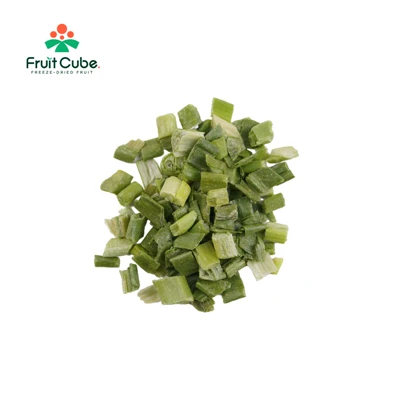
Freeze-Dried Vegetables References
- Journal of Food Science and Technology. (2021). Nutritional comparison of freeze-dried and oven-dried common stone fruits.
- American Academy of Pediatrics. (2020). Dietary guidelines for children and adolescents: Updated recommendations for added sugar intake.
- Pediatric Nutrition Practice Group. (2022). Picky eating interventions and snack preferences for preschool-aged children.
- Journal of Pediatric Gastroenterology and Nutrition. (2021). Choking hazards in commercial snacks for young children: A cross-sectional analysis of common snack products.
- Food and Agriculture Organization of the United Nations. (2020). The role of whole fruit snacks in reducing childhood nutrition gaps globally.
Fruit Cube (Shandong) Food Technology Co., Ltd.
As one of the most professional freeze-dried fruits manufacturers and suppliers in China, we’re featured by quality products and good service. Please rest assured to wholesale bulk freeze-dried fruits for sale here from our factory. For price consultation, contact us.
Address: Room 1001, Building 2, Dongyi Cultural and Creative Park, Yihe New District, Linyi City, Shandong Province
E-mail: sales@freezedried-fruit.com
WebSite: https://www.freezedried-fruit.com/
