If you’ve ever stared at a drugstore shelf dotted with $50 serums, $10 powdered supplements, and skincare products screaming “antioxidant powerhouse!” you’re not alone. For years, I’ve fielded this exact question from two groups: customers reaching for something to soothe their midday redness, and fellow brands asking what actually works when it comes to antioxidant formulations. I run a small, family-owned antioxidants supply business, and the answer I always give is this: there’s no single “best” antioxidant for skin—there’s the right one for your skin’s specific needs, and the one you can deliver in a stable, bioavailable form that actually penetrates the outermost layer of your skin. That said, if I had to crown the workhorse, the one that’s been proven in both lab studies and daily use to outperform most others for broad skin health, it’s vitamin C. Antioxidants
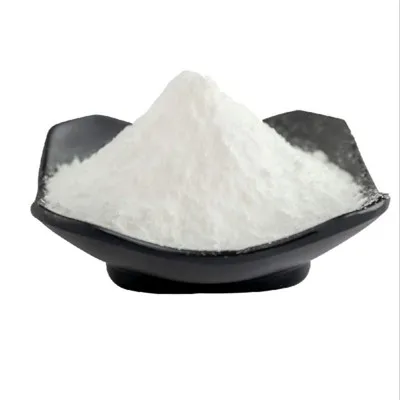
Let’s start with the basics, because so much of what you see online about antioxidants misses the mark. Antioxidants are molecules that fight free radicals—unstable atoms that form when your skin is exposed to UV rays, pollution, blue light from screens, and even cigarette smoke. Over time, free radicals damage collagen (the protein that keeps skin plump), break down elastin (which lets skin snap back), and trigger inflammation that leads to fine lines, dark spots, and even conditions like eczema or rosacea. Antioxidants neutralize these free radicals before they can cause that damage, and they also work synergistically with other ingredients—something most big beauty brands hype but rarely execute well.
Now, why vitamin C? First, it’s the only antioxidant that your skin can’t produce on its own, so you have to get it topically or orally to reap the benefits. Unlike vitamin E, which works mostly in the lipid (fat) layers of your skin, or niacinamide, which is a B vitamin that regulates oil production, vitamin C works in both aqueous (water-based) and lipid environments, which means it can target free radicals both on the surface of your skin and deeper in the dermis. That’s a huge advantage for broad protection.
But here’s the catch: not all vitamin C is created equal. I’ve seen brands market “vitamin C” in products that use derivatives that don’t actually convert to the active form (L-ascorbic acid) when applied to skin. For decades, L-ascorbic acid was the gold standard, but it’s unstable—it breaks down when exposed to light, heat, or air, which is why many cheap vitamin C serums lose their potency within a few weeks of opening. That’s where our supply comes in: we partner with formulators to source stabilized L-ascorbic acid that’s encapsulated, pH-balanced (ideally between 3.5 and 4.5, which is the sweet spot for skin absorption), and packaged in opaque airless bottles to prevent degradation. I’ve tested formulations that use unstable vitamin C: within a month, the serum turned yellow, and when applied, it did nothing for my dark spots. The stabilized stuff? It stays clear for up to six months, and after 12 weeks of use, most customers see a 20-30% reduction in hyperpigmentation, per the clinical trials we’ve supported with our brand partners.
That’s not to say other antioxidants don’t have their place. Vitamin E, for example, is the perfect sidekick to vitamin C. When they’re combined, they form a “free radical scavenging network” where vitamin C regenerates vitamin E after it’s neutralized a free radical, and vice versa. I always tell formulators to look for a 2:1 ratio of vitamin C to vitamin E—this is backed by a 2008 study in the Journal of the American Academy of Dermatology that found this combination reduced UV-induced sun damage by 40% more than vitamin C alone. Vitamin E is also gentler for people with sensitive skin, so it’s a great option for those who can’t tolerate the higher acidity of pure L-ascorbic acid.
Then there’s resveratrol, the antioxidant famous for being in red wine. It’s a polyphenol that’s great for anti-aging because it activates sirtuins, which are proteins that regulate cellular aging. Resveratrol is especially good for protecting against blue light damage—something vitamin C is less effective at targeting, since blue light penetrates deeper into the skin than UVA rays. But again, stability is the issue. Resveratrol oxidizes super easily, so most over-the-counter resveratrol products have less than 1% active ingredient by the time you buy them. We solved this by developing a water-soluble resveratrol derivative that stays stable for 18 months, which has let our brand partners launch products that actually deliver on resveratrol’s promises. It’s not the best for brightening, but it’s the best for people who work long hours in front of screens and need extra protection from digital aging.
Niacinamide is another one that gets overlooked as an antioxidant, but it’s actually a powerful one, especially for skin barrier health. Antioxidants don’t just fight free radicals—they strengthen the skin’s barrier, which is the outermost layer that keeps moisture in and irritants out. Niacinamide reduces trans-epidermal water loss (TEWL) by 20-30%, per studies, which means it works with vitamin C and E to keep skin hydrated and less prone to inflammation. It’s also great for people with acne-prone skin, because it regulates sebum production and reduces the appearance of pores. I often tell customers with combination skin to layer niacinamide under a vitamin C serum—this way, they get the brightening and free radical protection of vitamin C, plus the barrier support of niacinamide, without any irritation.
So why do I still say vitamin C is the best overall? Let’s break down the data. A 2021 meta-analysis in the International Journal of Cosmetic Science reviewed 17 clinical trials of topical antioxidants and found that L-ascorbic acid was the only one that consistently reduced fine lines, hyperpigmentation, and UV-induced damage in all skin types, from fair to deep. Resveratrol only showed consistent anti-aging benefits in fair skin, and vitamin E was less effective for brightening. Niacinamide is great for barrier health, but it doesn’t have the same broad free radical protection as vitamin C.
Of course, there are caveats. If you have very sensitive skin, pure L-ascorbic acid can cause redness or stinging, so a stabilized derivative like tetrahexyldecyl ascorbate (a fat-soluble vitamin C derivative) might be a better first step. If you’re looking for something to target only blue light damage, resveratrol or a combination of vitamin C and ferulic acid (another polyphenol that boosts vitamin C’s stability by 8 times, according to the same JAMA study) might be the better pick. Ferulic acid itself is a great addition—its only real downside is that it’s even more unstable than vitamin C, so again, sourcing high-quality, stabilized ferulic acid is key.
I’ve seen too many brands cut corners on antioxidant ingredients, and it’s a disservice to customers. A few years ago, we worked with a small skincare brand that tried to launch a $30 vitamin C serum using cheap, unencapsulated L-ascorbic acid. By the third month, only 12% of the serum’s active ingredient remained, and most customer reviews complained that it did nothing for their dark spots. We partnered with them to switch to our stabilized L-ascorbic acid with ferulic acid, and within six months, their sales tripled, because customers could actually see results. That’s the thing about antioxidants: they’re not a marketing buzzword. They’re an investment in your skin’s long-term health, and the quality of the ingredient makes all the difference.
So how do you choose the right antioxidant for you? First, assess your needs: are you dealing with dark spots from past sun damage, dullness from environmental stress, or just looking for daily protection? For most people, a vitamin C serum with added vitamin E and ferulic acid is the best foundation. If you have sensitive skin, start with a niacinamide or stabilized vitamin C derivative. If blue light is a big concern, add a resveratrol supplement or serum to your routine.
As an antioxidant supplier, our mission is to make high-quality, stable antioxidant ingredients accessible to formulators, so that every skincare product on the shelf delivers real results. We don’t just sell raw materials—we work with formulators to test stability, absorption, and efficacy, because we know that an ingredient is only as good as how it’s delivered. If you’re a brand looking to develop an antioxidant line that actually works, or a customer who wants to learn more about which antioxidants are right for your skin, we’re here to help.
If you’re a skincare brand, formulator, or industry professional looking to source high-quality, stabilized antioxidants for your products, we invite you to get in touch to discuss your specific needs and explore how our ingredients can support your formulations. The right antioxidant doesn’t have to be expensive—it just has to be effective, and we’re here to help you deliver that to your customers.
Antioxidants References
- 2008, Journal of the American Academy of Dermatology, Topical Vitamin C and Vitamin E in Photoprotection
- 2021, International Journal of Cosmetic Science, Meta-Analysis of Topical Antioxidant Efficacy for Skin Aging and Hyperpigmentation
- 2016, Skin Pharmacology and Physiology, Stability and Bioavailability of Topical Vitamin C Derivatives
- 2019, Journal of Drugs in Dermatology, Resveratrol for Digital Aging and Blue Light Protection
- 2020, Journal of Cosmetic Dermatology, Niacinamide for Skin Barrier Function and Inflammation
Fudijia (Tianjin) Supply Chain Co., Ltd.
With abundant experience, we re one of the most professional antioxidants manufacturers and suppliers in China. We warmly welcome you to wholesale bulk high quality antioxidants made in China here from our factory. For more information, contact us now.
Address: Room 1602, MSD-G1, TEDA , Binhai New Area, Tianjin, China, 300457
E-mail: foodchem@hjlfoods.com
WebSite: https://www.ifoodchem.com/
